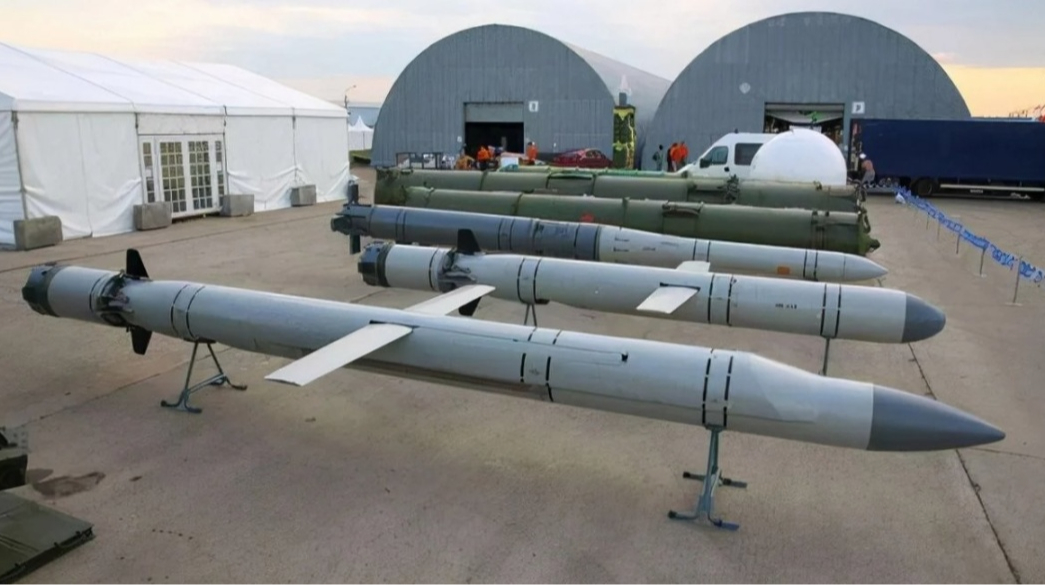
Escalation in Yemen: Airstrikes Target Southern Transitional Council Forces
Recent airstrikes in Yemen have intensified the ongoing conflict in the region, specifically targeting the headquarters of the Southern Transitional Council (STC) forces in Mukalla. This escalation highlights the complex dynamics of Yemen’s conflict and raises concerns about national security for both Saudi Arabia and the United Arab Emirates (UAE).
On January 3, 2026, airstrikes struck the Parshid Brigade headquarters, located west of Mukalla, according to eyewitness reports. These attacks are part of a broader military strategy amid increasing tensions in Yemen, where various factions vie for power and control. The STC, which has been supported by the UAE, has recently faced opposition from forces aligned with Yemen's internationally recognized government and other local militias.
The airstrikes come at a time when Saudi Arabia is reaffirming its commitment to national security, particularly in the face of threats from the Iran-aligned Houthi movement. Saudi Arabia's military actions are often framed within the context of protecting its southern borders and preventing Houthi attacks, which have at times extended into Saudi territory.
The implications of these airstrikes extend beyond the immediate military objectives. Analysts suggest that the targeting of STC forces could signal a shift in alliances within the Yemeni conflict, potentially impacting UAE interests in the region. The STC has been a prominent actor in southern Yemen, advocating for greater autonomy from the Yemeni central government. As the conflict evolves, the UAE's stance and military involvement could face scrutiny, especially in light of international calls for a ceasefire and a renewed push for peace talks.
Background of the Conflict
Yemen has been embroiled in a civil war since 2014, when Houthi rebels seized control of the capital, Sana'a, prompting a Saudi-led coalition to intervene in 2015 in support of the Yemeni government. The war has created one of the world’s worst humanitarian crises, with millions facing food insecurity and lack of basic services. The complex interplay of local, regional, and international interests has made resolution efforts particularly challenging.
In recent years, the STC has gained significant ground in southern Yemen, often clashing with forces loyal to the Yemeni government. The group's aspirations for independence have led to a precarious situation where alliances can shift rapidly, often leading to violent confrontations.
Conclusion
As the situation in Yemen continues to deteriorate, the recent airstrikes against STC forces in Mukalla underscore the fragility of the region's security landscape. With national security concerns driving military actions from Saudi Arabia and potential repercussions for UAE interests, the conflict remains a focal point of instability in the Middle East. International observers are closely monitoring the developments as calls for dialogue and peace efforts persist amidst ongoing violence. The future of Yemen hangs in the balance, with the prospect of renewed military escalation posing a significant threat to any hope for peace.