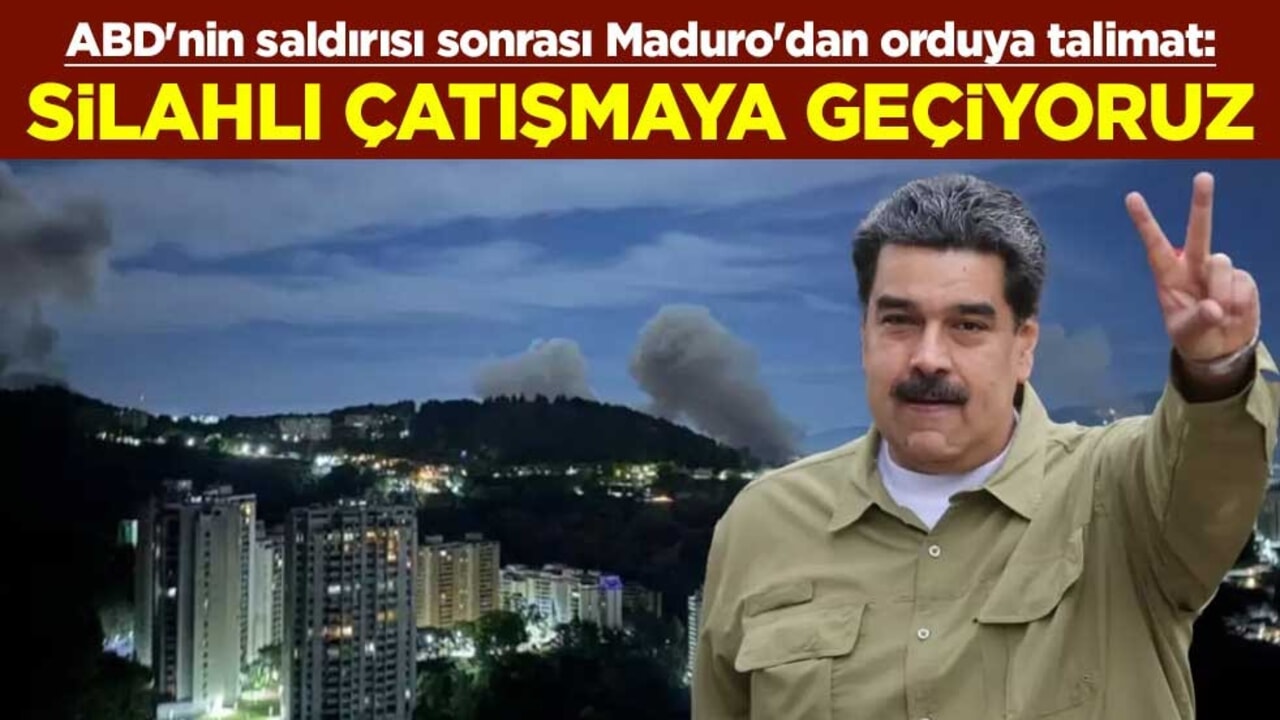

Escalation in Venezuela Conflict Following U.S. Military Operations
The conflict in Venezuela has reached a new level of intensity following recent military operations initiated by the United States. On December 31, 2025, President Donald Trump announced ground operations targeting Venezuelan military positions, marking a significant escalation in U.S. involvement in the region. In response, Venezuelan President Nicolás Maduro has ordered the military to prepare for armed conflict, signaling a potentially dangerous turning point in the long-standing tensions between the two nations.
In a statement released shortly after the U.S. operations began, Maduro declared, “We are entering a new phase of confrontation. The armed forces are to mobilize and respond to any aggressions against our sovereignty.” This declaration underscores the heightened rhetoric and the potential for widespread violence as both sides brace for an extended confrontation.
The U.S. military operations come amidst ongoing turmoil in Venezuela, characterized by economic collapse, humanitarian crises, and political unrest. The Maduro government has faced increasing pressure both domestically and internationally, with the United States leading efforts to isolate the regime economically and politically. The recent military actions have been framed by the Trump administration as necessary to protect U.S. interests and support the Venezuelan people in their struggle against Maduro’s authoritarian rule.
Background of the Conflict
Venezuela has been embroiled in a multifaceted crisis for several years, with a severe economic downturn leading to widespread shortages of food, medicine, and basic services. The political landscape has been equally turbulent, with Maduro's government accused of human rights abuses and electoral fraud. The opposition, led by figures such as Juan Guaidó, has struggled to mount a successful challenge to Maduro’s rule, despite significant international support.
The U.S. has long been critical of Maduro, with sanctions and diplomatic pressure aimed at forcing a change in leadership. Previous administrations, including that of Joe Biden, had focused on economic sanctions as the primary tool for influencing Venezuela’s government. However, Trump’s decision to initiate ground operations marks a dramatic shift in strategy, raising concerns about the potential for a broader military conflict in Latin America.
Implications of the U.S. Actions
The escalation of military operations has significant implications for the already volatile situation in Venezuela. Analysts warn that increased U.S. involvement could exacerbate violence, leading to a humanitarian crisis as fighting intensifies. The Venezuelan military, bolstered by Maduro's call to arms, may engage in fierce resistance against U.S. forces, potentially leading to civilian casualties and further destabilization.
Moreover, the geopolitical ramifications extend beyond Venezuela. Neighboring countries, particularly those with close ties to Maduro, such as Cuba and Russia, may react strongly to U.S. military actions. There are fears that this conflict could draw in regional powers, potentially leading to a wider confrontation in Latin America.
Conclusion
As the situation develops, the international community watches closely. The announcement of ground operations by the U.S. and Maduro’s subsequent military mobilization indicates that the conflict in Venezuela is entering a critical and dangerous phase. The prospect of armed conflict raises urgent questions about the future of the Venezuelan state and the lives of its citizens, who have already endured years of hardship and suffering. The coming weeks will be crucial in determining whether diplomatic efforts can still play a role in resolving this escalating crisis or if the region will face a prolonged and violent struggle for power.






