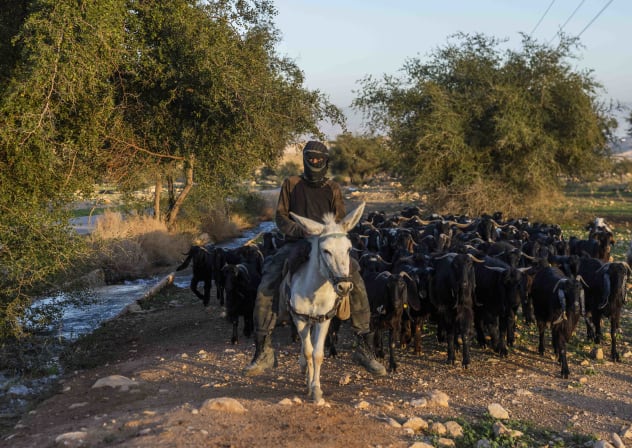
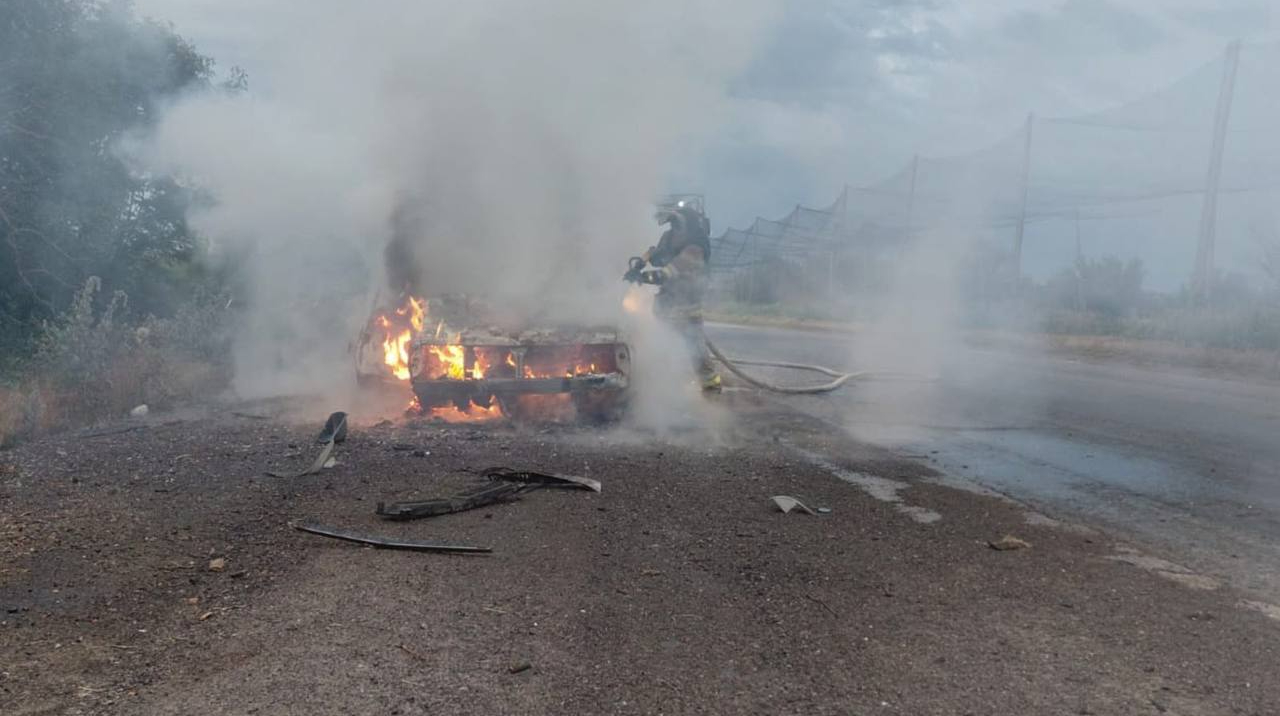
Escalating Violence in Aleppo: Syrian Army Targets SDF Positions as Civilian Casualties Mount and Mass Displacement Grips Kurdish Neighborhoods

Latest from X
Escalating Violence in Aleppo: Syrian Army Targets SDF Positions as Civilian Casualties Mount and Mass Displacement Grips Kurdish Neighborhoods
Aleppo, Syria – Intense clashes between the Syrian Arab Army (SAA) and the Kurdish-led Syrian Democratic Forces (SDF) have erupted in the northern city of Aleppo, prompting the SAA to designate SDF-held positions as legitimate military targets. The fighting, which intensified on January 7, 2026, has led to at least nine civilian deaths, 55 injuries, and the displacement of over 140,000 people from the Sheikh Maqsoud and Ashrafieh neighborhoods, according to Syrian authorities and media reports.
The violence stems from alleged SDF attacks on residential areas in these predominantly Kurdish districts, long controlled by the group. Syrian media, citing local authorities, reported that SDF shelling targeted civilian zones, forcing mass evacuations. Humanitarian corridors were reportedly opened along Al Awarid and Al Zuhour streets to facilitate civilian exits until early afternoon on January 7. The SAA responded by striking sources of SDF fire in the affected neighborhoods, framing the operations as defensive measures against what they described as escalations and civilian massacres.
Civilian casualties have risen sharply amid the chaos. Reports indicate nine deaths and 55 wounded from SDF attacks alone, with the SAA urging residents to distance themselves from SDF positions to avoid crossfire. In a related development, Syrian forces thwarted an SDF advance toward Aleppo's outskirts in the Afrin countryside, killing several fighters and prompting others to surrender, according to state-aligned media.
The SAA's Operations Command explicitly labeled SDF positions in Sheikh Maqsoud and Ashrafieh as "legitimate military targets," a declaration issued hours after the initial clashes on January 7. Evacuation orders were broadcast widely, emphasizing the protection of civilians from ongoing hostilities.
Background on Aleppo's Fractured Frontlines
Aleppo, Syria's second-largest city, has been a flashpoint in the country's 14-year civil war. Sheikh Maqsoud and Ashrafieh, located in the northern part of the city, have been under SDF control since 2016, when Kurdish forces seized them during battles against Islamist rebels and government advances. The SDF, primarily composed of the People's Protection Units (YPG), has been a key U.S. ally in the fight against the Islamic State, controlling vast territories in northeastern Syria. However, tensions with the Damascus government persist, exacerbated by competing claims over Kurdish-majority areas and accusations of human rights abuses on both sides.
The current flare-up occurs against a backdrop of shifting alliances in Syria. The SAA, backed by Russia and Iran, regained control of much of Aleppo in 2016 after a brutal siege. Recent years have seen sporadic clashes with SDF elements, often tied to territorial disputes. Turkish-backed opposition groups, including the Syrian National Army, have also targeted SDF positions in northern Aleppo, complicating the battlefield dynamics. Posts on social media platform X reflect heightened anxiety, with unverified claims circulating about ultimatums to evacuate Kurdish areas and mutual accusations of targeting civilians—though these remain inconclusive without independent verification.
International observers have long criticized all parties for endangering civilians in densely populated urban zones. The United Nations has repeatedly called for de-escalation in Aleppo, where reconstruction efforts remain stalled amid ongoing instability.
Outlook Amid Uncertainty
As of January 8, 2026, fighting continues in Aleppo's Kurdish neighborhoods, with evacuations ongoing and the SAA maintaining its strikes on SDF positions. Syrian media report security measures to protect fleeing residents from alleged SDF "brutality," while the SDF has not issued detailed public statements on the clashes in available reports.
The scale of displacement—over 140,000 from two neighborhoods—raises humanitarian concerns, potentially straining resources in surrounding government-held areas. No immediate intervention from international actors has been confirmed, though U.S. support for the SDF could influence the trajectory. Analysts warn that escalation risks drawing in Turkish forces or rebels, further destabilizing northern Syria.
The situation remains fluid, with civilians bearing the brunt of the violence in a city scarred by years of conflict. Independent confirmation of casualty figures and battlefield gains is pending from neutral sources.
(Word count: 612)
Track this story live
Live World Map
Monitor global events in real time with a live activity map and hotspot summaries.
Global Conflict Map
Follow active conflict zones, strike activity, and emerging geopolitical hotspots.
Current Wars
Track all active wars and armed conflicts happening in the world right now.
Iran War
Track the Iran war in real time with proxy network monitoring, Strait of Hormuz risk, and market impact.
Original Sources
- •
- •
- •
- •
Editorial process: This article was synthesized from the original sources cited above using The World Now's AI editorial system, with byline accountability from our editorial team. We grade every story for source grounding, factual coherence, and on-topic match before publication. Read more about our editorial standards and contributors. Spot something inaccurate? Let us know.
Last updated: January 11, 2026