
Escalating Violence in Aleppo: Syrian Army Declares SDF-Held Areas Military Zones Amid Clashes and Civilian Exodus
Aleppo, Syria – Intense clashes between Syrian government forces and the Kurdish-led Syrian Democratic Forces (SDF) have gripped the northern city of Aleppo, prompting the army to designate SDF-controlled neighborhoods as "closed military zones" and vow a limited operation to restore security. At least nine people were killed in fighting on January 6, 2026, with a curfew imposed and key civilian infrastructure crippled, as hundreds of residents fled amid mutual accusations of targeting civilians.
The violence erupted following deadly clashes on January 6, with both sides trading blame. Syrian state media and officials accused the SDF of initiating attacks, including shelling and sniper fire that rendered Aleppo's Internal Medicine Hospital fully out of service. A Syrian health official cited severe damage from SDF actions, exacerbating the humanitarian strain in the area. The Syrian army responded by shelling Kurdish neighborhoods such as Sheikh Maqsoud and Ashrafieh, declaring them legitimate military targets. Syria's Information Ministry announced plans for a "limited military operation" against what it described as PKK/YPG terrorists – terms used by Damascus and Ankara to refer to the SDF.
Government forces opened humanitarian corridors to allow civilians to evacuate, but reports emerged of SDF gunfire targeting those attempting to flee. State-aligned Alikhbariya TV reported shots fired at residents exiting the neighborhoods, while Anadolu Agency noted accusations of SDF "oppression" and attacks on civilians. Images showed families carrying belongings amid the chaos, with hundreds escaping the fighting zones.
A strict curfew was enforced across Aleppo by Damascus, leading to the closure of schools, universities, and government buildings. The Jerusalem Post reported the measure as a direct response to the SDF clashes, while Al Jazeera linked the escalation to the recent collapse of talks aimed at integrating semiautonomous Kurdish forces into state institutions.
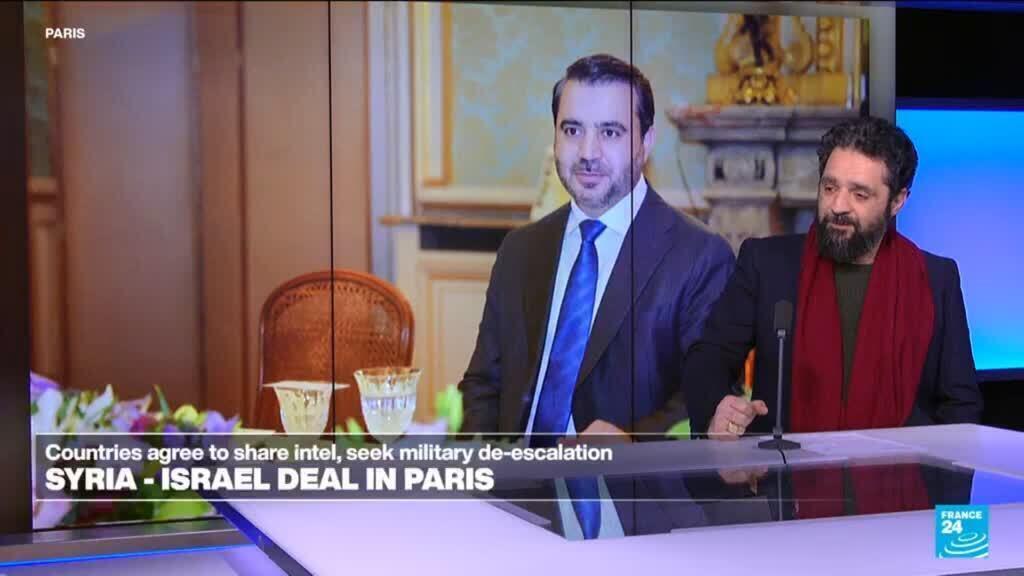
This flare-up follows a suicide bombing on December 31, 2025, that killed at least one police officer in Aleppo, underscoring persistent insecurity in the city. France 24 highlighted potential connections to diplomatic developments, noting the clashes coincided with a rare meeting in Paris between Syrian and Israeli representatives focused on military de-escalation elsewhere in the region. Analyst Wassim Nasr suggested possible links between the Aleppo escalation and broader geopolitical maneuvers.
Background on Syria's Fractured Northeast
Aleppo, once Syria's largest city and a focal point of the 2011-2016 civil war, was recaptured by President Bashar al-Assad's forces in late 2016 after prolonged battles involving rebels, jihadists, and Russian airstrikes. The SDF, a U.S.-backed alliance primarily composed of Kurdish YPG fighters, has since controlled much of northeastern Syria, including oil-rich areas, creating ongoing tensions with Damascus. Turkey views the YPG as an extension of the Kurdistan Workers' Party (PKK), a designated terrorist group, and has conducted cross-border operations against SDF positions.
Post-2023 earthquake recovery and fragile ceasefires had kept Aleppo relatively stable, but unresolved issues over Kurdish autonomy, resource control, and integration into Syrian state structures have simmered. Failed negotiations, as referenced by Al Jazeera, have heightened risks of renewed conflict, with external actors like the U.S., Russia, Turkey, and Iran influencing dynamics.
Outlook Amid Heightened Tensions
Syrian army statements emphasize protecting civilians and restoring order, with vows to confront SDF "aggression." The SDF has not issued detailed public responses in the cited reports, but mutual recriminations suggest no immediate de-escalation. The timing near diplomatic talks raises questions about coordination or exploitation of regional shifts, though no direct causation has been confirmed.
As shelling continues and displacement mounts, international observers warn of humanitarian fallout in a city still rebuilding from past devastation. With corridors open but contested, the focus remains on preventing broader escalation in Syria's volatile north.
(Word count: 612)






