
Escalating Tensions: US Strikes Venezuela, Captures Maduro Amid Explosions in Caracas
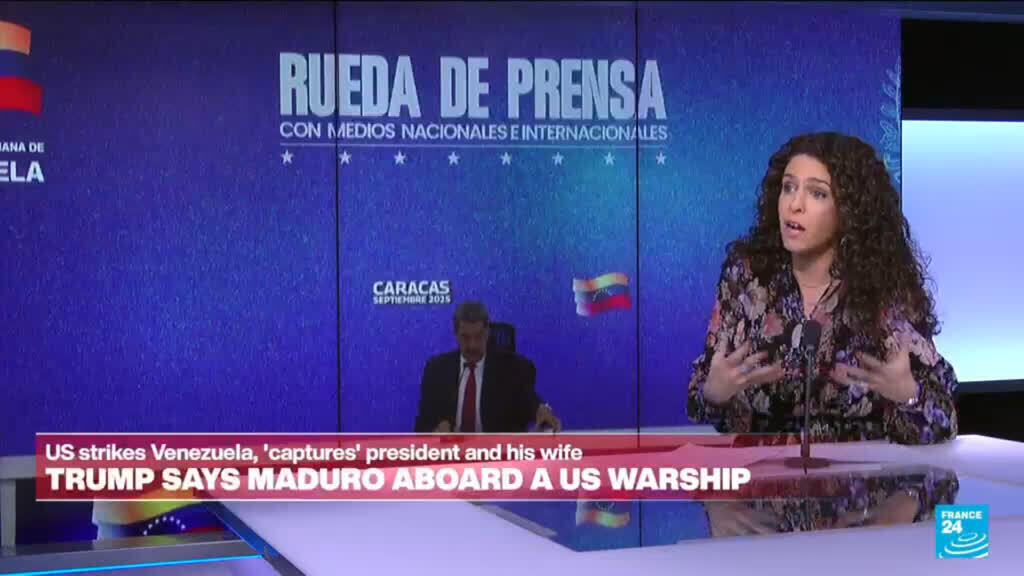
In a dramatic escalation of U.S.-Venezuelan tensions, the United States conducted a series of airstrikes in Venezuela early Saturday, resulting in the capture of President Nicolás Maduro and his wife, Cilia Flores. The operation, described by U.S. President Donald Trump as a "large-scale strike," coincided with multiple explosions reported in the Venezuelan capital, Caracas.
Early reports indicate that at least seven explosions were heard across Caracas, with low-flying aircraft observed in the sky shortly after 7:00 AM GMT. The blasts and aerial activity led to widespread panic among residents, who described the atmosphere as chaotic and terrifying. The head of the Greek community in Caracas, Theodoros Maragellis, noted a palpable sense of fear and uncertainty among the population following the strikes, which he likened to a "nightmare" unfolding live.
Details of the Operation
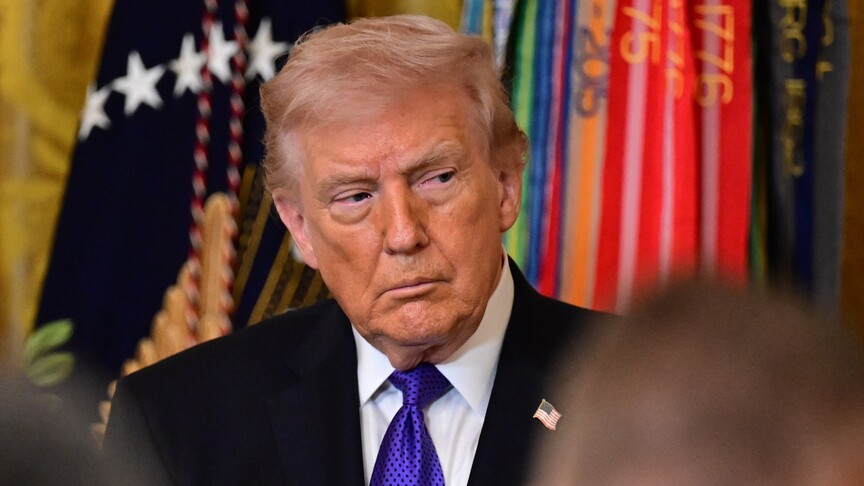
The strikes on January 3, 2026, were reportedly aimed at facilities linked to Maduro's alleged involvement in drug trafficking. This action follows a U.S. drone strike on December 31, 2025, targeting a facility associated with drug operations in Venezuela. In a statement made via his Truth Social platform, Trump confirmed that the U.S. military successfully executed the operation and captured Maduro, asserting that he and his wife had been flown out of the country.
Maduro, who had been addressing the nation on state television just prior to the strikes, condemned the U.S. action as an "attack against Venezuela's sovereignty." His government quickly branded the military intervention as an "imperialist attack," prompting condemnation from various international observers and leftist parties worldwide, including the Cyprus-based AKEL, which characterized it as a violation of Venezuela's sovereignty.
Political Reactions
The U.S. strikes have generated a polarized response domestically and internationally. While many Republicans have rallied behind Trump's actions, claiming they could change the course of history for Venezuela, critics argue that this represents an alarming precedent of U.S. military intervention. Vice President JD Vance praised the operation on social media, asserting it demonstrates that Trump "means what he says."
Internationally, reactions have ranged from outright condemnation to cautious support. Countries like Russia and China expressed concerns over the U.S. military actions, warning against further escalation in the region. Meanwhile, U.S. analysts are closely monitoring the impact on global oil markets, considering Venezuela's significant oil reserves, which have been largely affected by U.S. sanctions in recent years.
Conclusion
As the situation in Venezuela unfolds, the implications of the U.S. strikes are likely to be profound, not only for the Venezuelan people but also for regional stability and international relations. With Maduro's capture, the future leadership of Venezuela remains uncertain, with Trump hinting at the possibility of opposition leader María Corina Machado stepping into a leadership role. The coming days will likely reveal more about the consequences of this unprecedented military intervention and its effects on Venezuela's already tumultuous political landscape.