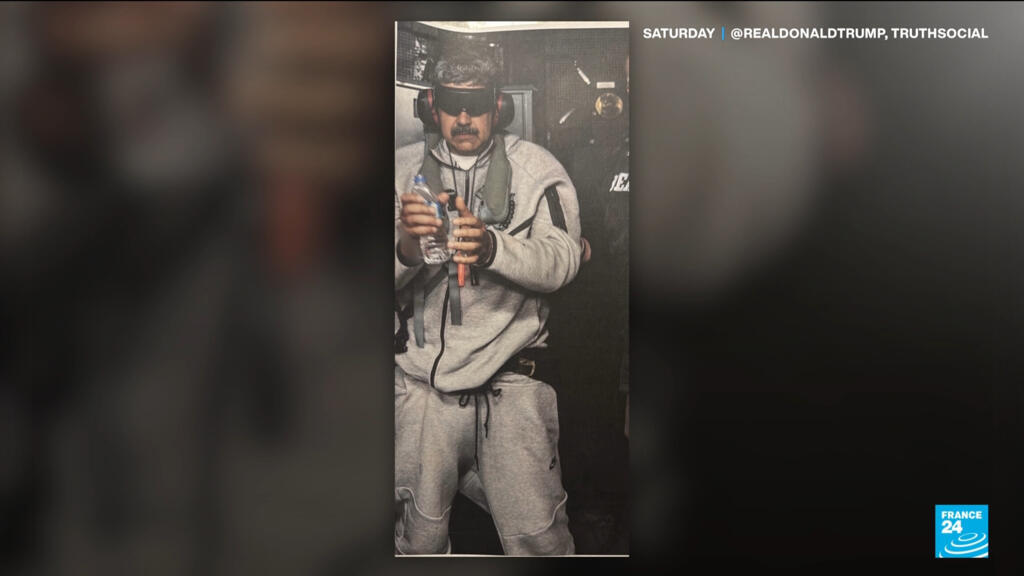

Escalating Tensions: US Military Strikes Venezuela, Captures Maduro
In a significant escalation of U.S. military involvement in Venezuela, President Donald Trump announced early Saturday that U.S. forces executed a large-scale military operation in Caracas, resulting in the capture of President Nicolás Maduro. The operation followed a series of explosions reported across the capital and was characterized by low-flying aircraft observed over the city.
The air and ground strikes, which began at approximately 2:22 AM local time on January 3, 2026, led to widespread devastation and local authorities confirming at least seven explosions in various parts of Caracas. The aftermath saw the streets of the capital largely deserted as citizens remained indoors amid the chaos. Reports indicate that the operation was aimed at dismantling facilities linked to drug trafficking, a primary justification for the U.S. intervention.
President Trump described the military operation as one of the most dramatic displays of American military power in modern history. "We took decisive action to ensure that Venezuela's precious resources, particularly its oil, do not fall into the hands of those who would abuse it," he stated. Trump emphasized that the U.S. would maintain control over Venezuela's oil production, particularly for export to China, signaling a strategic economic interest in the region.
Background to the Strikes
The U.S. has long criticized Maduro's regime amid allegations of human rights abuses and corruption. This operation is the culmination of intensified pressure from Washington over the past several months, with U.S. officials accusing Maduro of facilitating drug trafficking operations. Prior to this military action, the Trump administration had imposed extensive sanctions aimed at crippling the Venezuelan economy.
In the hours following the strikes, President Trump defended the decision to proceed without prior briefings to congressional leaders, citing concerns over leaks that could jeopardize the operation's success. The administration's approach has drawn criticism from various political figures, questioning the legality and long-term implications of such military actions.
Local Reactions and International Implications
The local response in Caracas has been one of shock and confusion. Many residents reported hearing the explosions and expressed fears for their safety. "We had no idea this would happen. It feels like we are living in a war zone," said a local shopkeeper who wished to remain anonymous. The Venezuelan government has not yet issued a comprehensive statement regarding the situation, but the capture of Maduro raises questions about the future governance of the country and potential power struggles among rival factions.
Internationally, the strikes have prompted a mixed reaction. Some nations have expressed support for U.S. actions as a necessary step toward restoring democracy in Venezuela, while others have condemned the intervention as an infringement on national sovereignty. The situation remains fluid, and it is unclear what immediate effects this will have on the ongoing humanitarian crisis in Venezuela, which has seen millions flee the country due to economic collapse.
Conclusion
As the dust settles from the dramatic military operation in Caracas, the geopolitical landscape in Latin America faces an uncertain future. The U.S. government's commitment to managing Venezuela's oil production raises significant concerns about foreign interventionism and its consequences for regional stability. With Maduro reportedly captured and the streets of Caracas quiet, the eyes of the world are now on Venezuela as it grapples with the potential for a leadership vacuum and the implications of U.S. military engagement.






