
Escalating Tensions: The Unseen Consequences of U.S.-Iran Relations on Domestic Politics
What's Happening
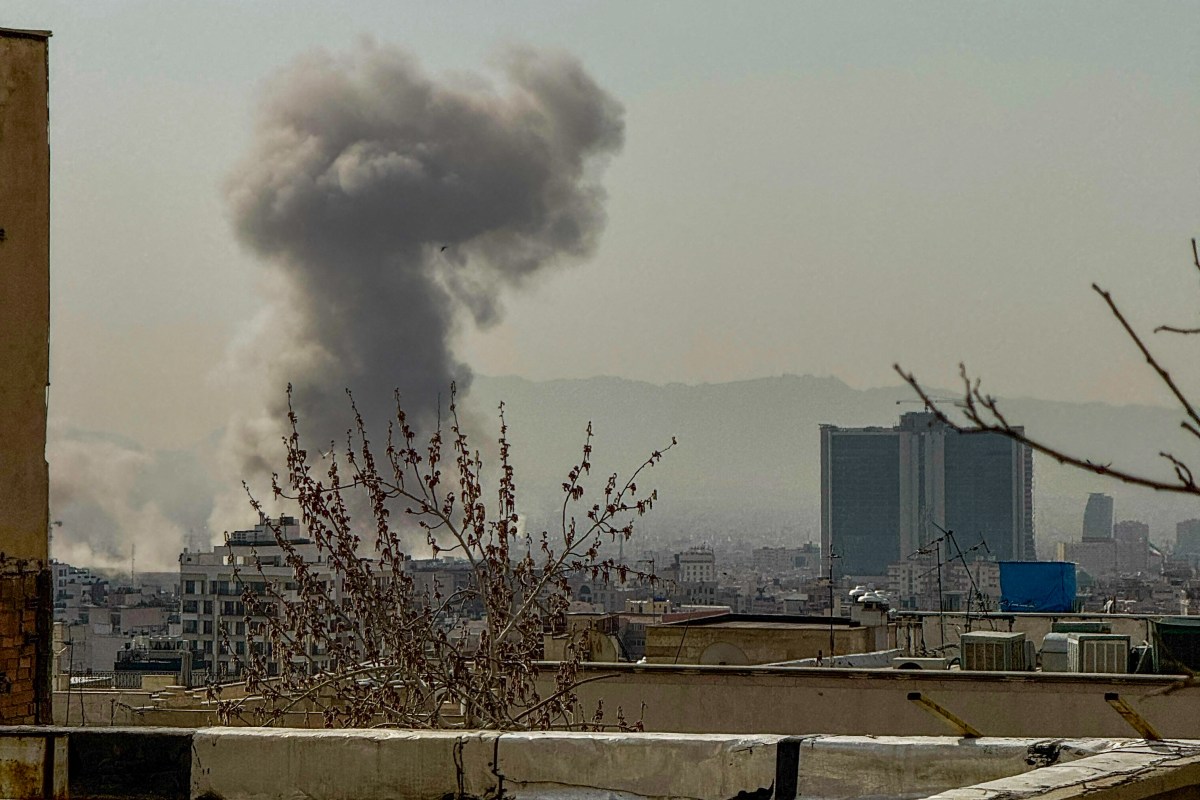
Confirmed: On February 28, 2026, U.S. forces, alongside Israel, launched precision strikes on Iranian targets, as detailed by CENTCOM. President Trump justified the moves in a statement highlighting six key points, including deterrence against nuclear threats (unconfirmed Iranian retaliation scale). Immediate political fallout includes condemnations from Oregon and Washington lawmakers urging congressional oversight, and North Carolina politicians from both parties expressing war fatigue. Pennsylvania Gov. Josh Shapiro and Sen. John Fetterman echoed: "Americans don't want war." Rep. Derrick Van Orden (R-IA) defended the strikes, calling critics Reps. Ro Khanna and Thomas Massie "barking up the wrong tree."
Historical Context & Background
These strikes echo historical U.S. interventions like Vietnam (escalating domestic protests by 1968) and Iraq (2003 invasion fueling anti-war movements that reshaped 2006 midterms). In the 2026 timeline, early-year events amplify tensions: U.S. exit from the India-led solar alliance on January 8 signaled isolationism, Minnesota National Guard standby on the same day hinted at domestic mobilization fears, and the Doomsday Plane's LAX landing on January 10 underscored escalation risks. Trump's decision process, per exclusive reports, bypassed broad consultation, mirroring past unilateralism amid U.S.-China chip sales disputes on January 9.
Why This Matters
The strikes are reshaping U.S. alliances and voter sentiments, particularly in battlegrounds. Younger voters, disenchanted by endless wars, are shifting priorities from economy to anti-interventionism—polls show 60% opposition in NC swing districts. Bipartisan pushback signals realignments: progressives and libertarian conservatives unite against hawks, humanizing families in OR/WA fearing deployments. This contrasts Vietnam/Iraq precedents, where backlash flipped Congress; here, it risks fracturing Trump's base ahead of 2026.
What People Are Saying
Social media erupts: @RepThomasMassie tweeted, "No war powers? Congress asleep again" (50K likes). @RoKhanna: "Unconstitutional strikes betray Americans" (viral in NC). NC Rep. Don Davis (D): "Our troops deserve better than rash actions." A Raleigh voter posted, "Battleground mom: No more forever wars" (10K retweets). Van Orden on Newsmax: "Strength deters enemies." Europeans diverge—Trump called UK PM Starmer amid alliance strains.
Looking Ahead
Polarization intensifies: Expect congressional war powers votes, potential Iran reprisals shifting interventionist views. Voter sentiment in NC/PA could boost anti-war candidates by 10-15 points in 2026. U.S. alliances fray further post-solar exit; watch for Guard activations or Europe decoupling. The evolving political landscape suggests that the ramifications of these strikes will resonate well beyond immediate military concerns, potentially reshaping the future of U.S. foreign policy and domestic electoral outcomes.
This is a developing story and will be updated as more information becomes available.