Escalating Tensions in Israel-Gaza Conflict: Aid Ban and Ceasefire Violations Spark Outrage

Latest from X
Escalating Tensions in Israel-Gaza Conflict: Aid Ban and Ceasefire Violations Spark Outrage
As the Israel-Gaza conflict continues into 2026, recent events have intensified an already dire humanitarian crisis and raised serious concerns about the fragility of ceasefire agreements. On December 31, 2025, Israel announced a ban on numerous aid organizations operating in Gaza, a move expected to have severe consequences for the region's population. Simultaneously, reports of ceasefire violations, including the killing of Palestinian civilians by Israeli forces, have further eroded hopes for stability. Adding to the complexity, a former Israeli hostage has come forward with harrowing accounts of abuse during captivity by Hamas, underscoring the deep human toll of the conflict.
Aid Ban Deepens Humanitarian Crisis
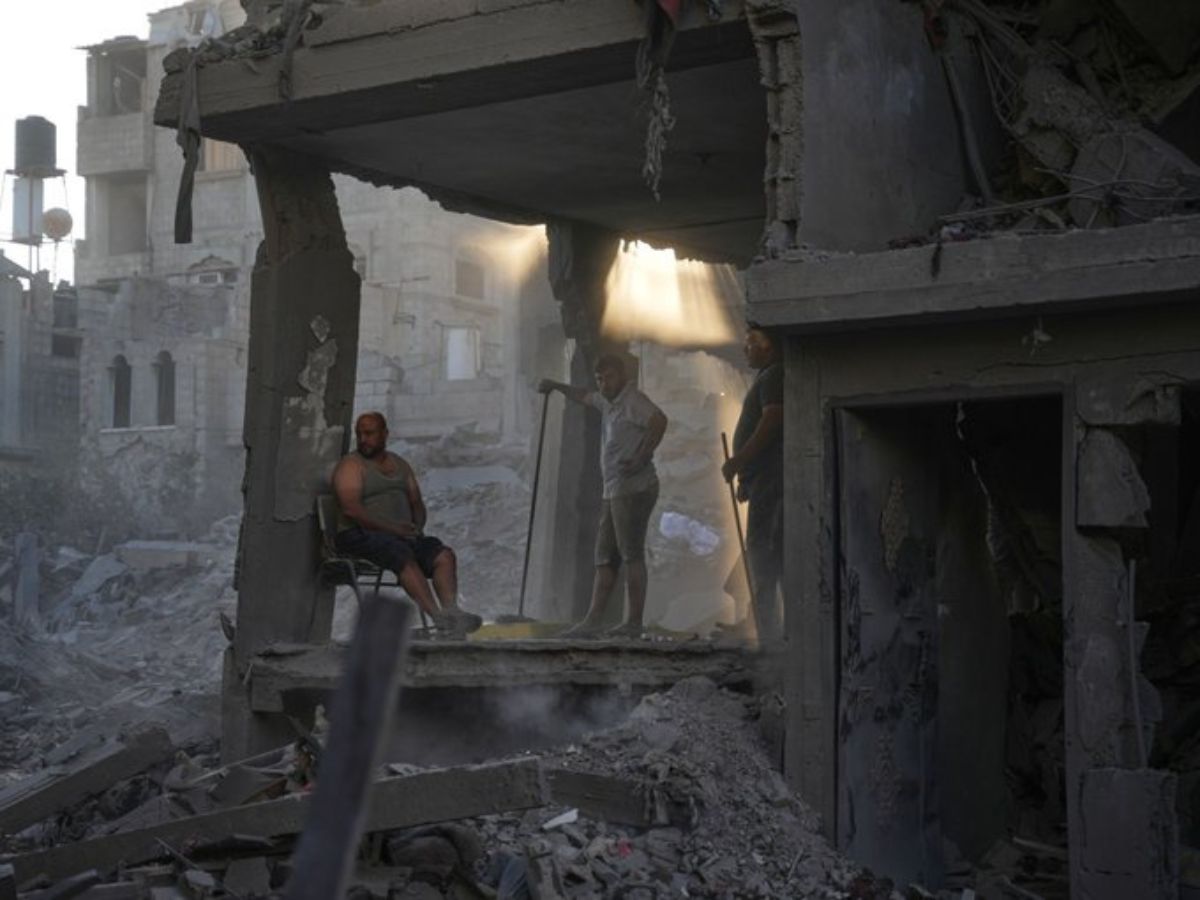
Israel's decision to ban dozens of humanitarian organizations from operating in Gaza, effective as of December 31, 2025, has drawn sharp criticism from international observers and aid groups. The ban, which includes prominent organizations such as Doctors Without Borders, comes at a time when Gaza is grappling with harsh winter conditions and widespread shortages of food, water, and medical supplies. According to reports from Al Jazeera, this move is expected to exacerbate an already catastrophic situation, with millions of Palestinians reliant on external aid for survival. International calls for Israel to reverse the restrictions have grown, with countries like Qatar and Turkey urging "unimpeded" access for humanitarian assistance.
The timing of the ban has been described as particularly devastating, as Gaza's infrastructure remains heavily damaged from years of conflict. Aid organizations have warned that without access, the risk of famine and disease outbreaks could skyrocket. Posts on X from various users reflect widespread alarm, with some labeling the ban as a direct violation of international humanitarian principles, though such claims remain a matter of ongoing debate and require further verification.
Ceasefire Violations Undermine Fragile Peace
Compounding the crisis are ongoing violations of the ceasefire agreement that came into effect on October 10, 2025. According to Anadolu Agency, Israeli gunfire in southern Gaza has resulted in the deaths of at least five Palestinians in separate incidents reported on January 4, 2026. These incidents have pushed the total number of Palestinians killed since the ceasefire to 420, with over 1,184 others wounded. The continued violence has led to accusations from Palestinian officials and activists that Israel is not adhering to the terms of the truce, further inflaming tensions in the region.
Eyewitness accounts cited by Anadolu Agency describe a climate of fear among civilians, many of whom had hoped the ceasefire would bring a reprieve from the violence. The international community has expressed growing concern over these violations, with calls for both sides to recommit to peace talks and ensure the protection of non-combatants.
Hostage Testimony Highlights Personal Tragedies
Amidst the broader conflict, individual stories of suffering continue to emerge. A former Israeli hostage, recently released from Hamas captivity, shared a deeply disturbing account of sexual abuse and fear of becoming a "sex slave" during her ordeal. In an interview with CNN published on January 4, 2026, the woman detailed the psychological and physical trauma she endured, shedding light on the personal horrors faced by hostages. Her testimony has reignited discussions about the treatment of captives and the urgent need for resolutions to secure the release of those still held.
Israeli officials have pointed to such accounts as evidence of Hamas's brutality, using them to justify continued military pressure. However, Palestinian advocates argue that the suffering of civilians on both sides must be addressed holistically, with equal attention to the plight of those in Gaza facing bombardment and deprivation.
Background: A Conflict Without End
The Israel-Gaza conflict, rooted in decades of territorial disputes and political strife, has seen repeated cycles of violence, ceasefires, and failed peace negotiations. Gaza, a densely populated enclave of over two million people, has been under blockade by Israel and Egypt for nearly two decades, severely limiting access to basic goods and services. Periodic escalations, often involving Hamas rocket attacks and Israeli military responses, have left thousands dead and infrastructure in ruins. The current ceasefire, brokered in October 2025, was seen as a potential turning point, but recent events suggest that lasting peace remains elusive.
Outlook: A Call for International Action
As of January 4, 2026, the situation in Gaza remains precarious. The aid ban threatens to push an already vulnerable population to the brink, while ceasefire violations risk derailing any progress toward de-escalation. The international community faces mounting pressure to intervene, whether through diplomatic efforts to enforce the truce or by ensuring humanitarian access to Gaza. Meanwhile, personal testimonies of trauma remind the world of the human cost behind the headlines.
Without swift action, analysts warn that the cycle of violence and suffering will continue unabated. For now, the eyes of the world remain on Israel and Gaza, watching to see if dialogue can prevail over division.
Track this story live
Live World Map
Monitor global events in real time with a live activity map and hotspot summaries.
Global Conflict Map
Follow active conflict zones, strike activity, and emerging geopolitical hotspots.
Current Wars
Track all active wars and armed conflicts happening in the world right now.
Iran War
Track the Iran war in real time with proxy network monitoring, Strait of Hormuz risk, and market impact.
Original Sources
- •
- •
- •
Editorial process: This article was synthesized from the original sources cited above using The World Now's AI editorial system, with byline accountability from our editorial team. We grade every story for source grounding, factual coherence, and on-topic match before publication. Read more about our editorial standards and contributors. Spot something inaccurate? Let us know.
Last updated: February 16, 2026