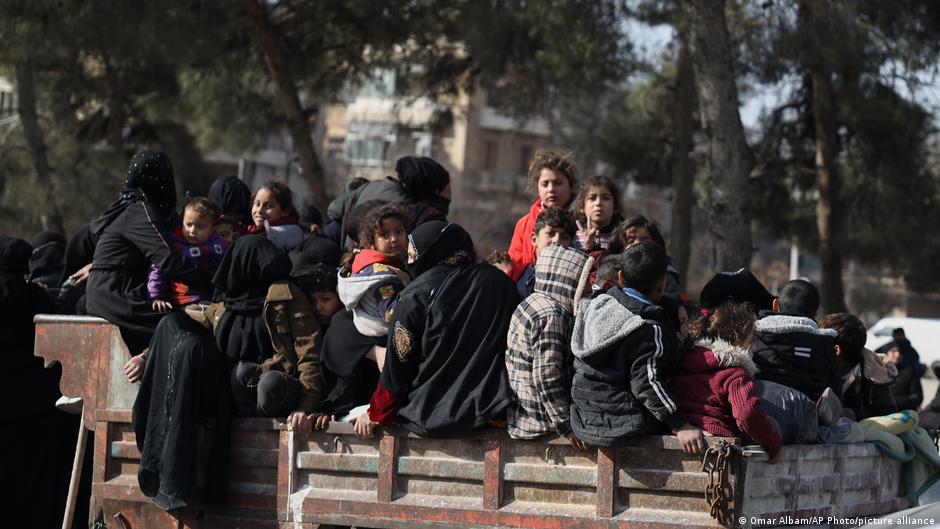

Escalating Tensions in Aleppo: Syrian Army Declares SDF Positions as Targets Amid Clashes and Civilian Flight
Aleppo, Syria – Clashes erupted on January 7, 2026, between Syrian government forces and the Kurdish-led Syrian Democratic Forces (SDF) in Aleppo province, prompting the Syrian army to label SDF-held positions as legitimate military targets. Accusations of massacres in the area have fueled the confrontation, with civilians fleeing the violence as fighting intensifies.
The conflict began early on Wednesday, around 09:33 GMT, when Syrian army units targeted SDF positions in Aleppo. According to reports, the Syrian military's declaration follows claims that SDF fighters were responsible for massacres targeting civilians or rival groups in the region. A DW Turkish-language article published the same day detailed ongoing clashes between SDF (referred to as SDG in Turkish) and Damascus-backed forces, with residents escaping the crossfire. The severity of the incident has been rated as high, marking a significant escalation in an already volatile area.
Eyewitness accounts cited in the DW report describe chaotic scenes, with families abandoning homes amid artillery exchanges and gunfire. Aleppo, Syria's largest city and a former industrial hub, has long been a flashpoint in the country's civil war. The SDF, primarily composed of Kurdish People's Protection Units (YPG) and allied Arab factions, maintains a presence in northeastern Syria, including pockets of Aleppo province, where it has clashed intermittently with government forces over control of territory and resources.
Details of the Confrontation
The Syrian army's move to designate SDF positions as targets represents a formal escalation, potentially signaling preparations for broader operations. The event information highlights the army's rationale: direct accusations of massacres, though specific details on the alleged atrocities—such as locations, victims, or perpetrators—remain unverified in initial reports. DW's coverage emphasizes the human toll, noting widespread civilian displacement as shelling and ground skirmishes displace thousands.
No immediate casualty figures have been confirmed, but the rapid intensification suggests risks to both combatants and non-combatants. The SDF has not issued an official statement on the clashes as of the latest updates, but the group has historically denied involvement in civilian-targeted violence, often attributing such claims to propaganda by the Syrian government or its allies.
Historical Context and Ongoing Dynamics
Aleppo's strategic importance dates back to the early phases of Syria's civil war, which began in 2011 as pro-democracy protests against President Bashar al-Assad's regime. By 2016, government forces, backed by Russia and Iran, recaptured most of eastern Aleppo from rebel groups in a brutal urban battle that drew international condemnation. The SDF emerged prominently around 2015, partnering with the U.S.-led coalition against the Islamic State (ISIS), which it largely defeated by 2019 in Syria.
Post-ISIS, frictions have mounted. The SDF controls about a quarter of Syrian territory, including oil-rich fields in Deir ez-Zor and Hasakah, leading to tensions with Damascus over revenue-sharing and autonomy. Turkey views the SDF as an extension of the Kurdistan Workers' Party (PKK), a designated terrorist group, and has launched cross-border operations into SDF areas, including northern Aleppo in 2019 and 2020.
The current flare-up occurs against a backdrop of shifting alliances. Russia continues to prop up Assad with airstrikes and troops, while U.S. forces maintain a small presence—around 900 troops as of late 2025—at SDF bases to prevent ISIS resurgence. Iran-backed militias operate in government-held areas, complicating the battlefield. Recent months have seen sporadic clashes between SDF and pro-government forces along frontlines in Aleppo and Manbij, often tied to disputes over checkpoints and smuggling routes.
International actors have urged restraint. The United Nations has repeatedly called for de-escalation in Syria, where over 500,000 people have died since 2011, and 6.8 million remain internally displaced as of UN estimates in 2025. The Astana process—mediated by Russia, Turkey, and Iran—aims to stabilize Idlib and other zones but has faltered amid renewed fighting.
Regional Implications and Outlook
This incident risks drawing in external powers. A Syrian government offensive could prompt U.S. defensive responses at SDF positions, while Turkey might exploit the chaos to advance against Kurdish forces. Civilian flight exacerbates Syria's humanitarian crisis, with Aleppo's infrastructure already strained from years of war.
As of January 7 evening, no ceasefire announcements have emerged, and monitoring groups like the Syrian Observatory for Human Rights (SOHR) report continued exchanges. The situation remains fluid, with potential for rapid expansion if reinforcements arrive on either side. Global observers will watch closely, as renewed Aleppo fighting could destabilize northern Syria and impact fragile ceasefires elsewhere.
The World Now will provide updates as new developments unfold.
(Word count: 612)






