
Escalating Tensions: Analyzing the Ripple Effects of the Iran War on Global Economies
Overview of the Crisis
Oil prices have surged over 15% in the past 24 hours to above $100 per barrel, confirmed by major exchanges, as the escalating US-Israel war on Iran threatens the Strait of Hormuz—through which 20% of global oil flows—triggering immediate economic shocks worldwide. This conflict has not only impacted oil prices but has also led to significant disruptions in air travel and global trade.
Immediate Economic Repercussions
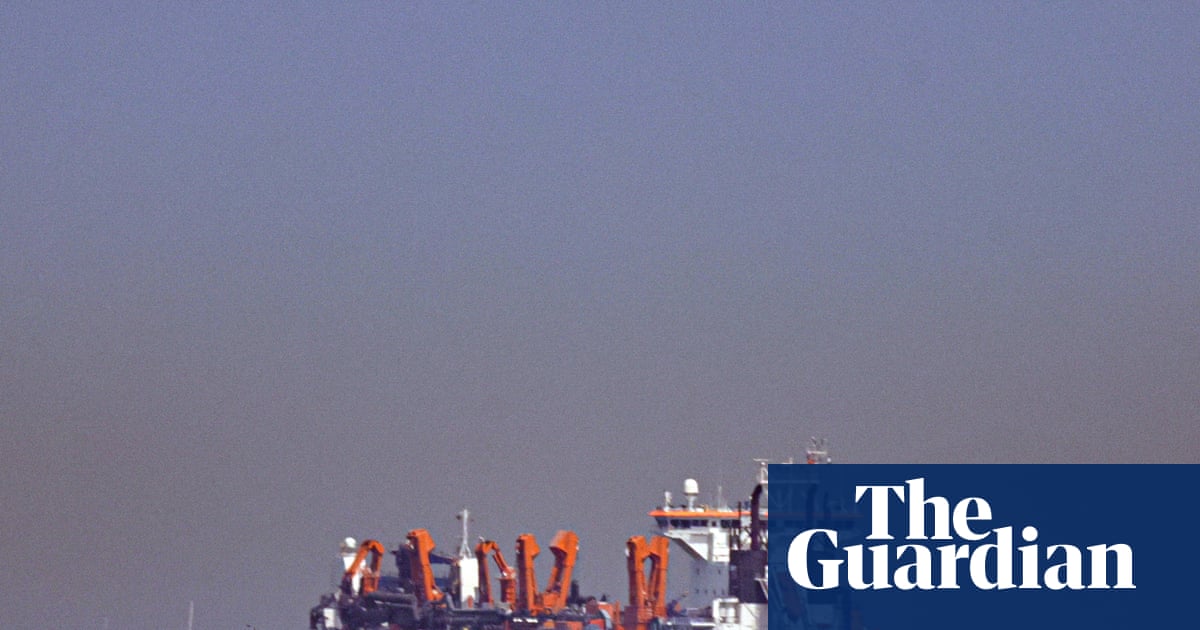
Confirmed reports detail oil benchmarks like Brent crude jumping sharply after US strikes sank nine Iranian naval vessels, raising fears of Hormuz disruptions. The Guardian reports shipping insurers halting coverage for the strait, forcing tankers to reroute and adding weeks to voyages. Simultaneously, nearly 2,000 flights have been canceled across Asia, Europe, and the Middle East (Times of India), crippling air cargo for perishables and electronics, with airlines like Emirates and Qatar Airways suspending Iran overflights. These disruptions, tied to the first 24 hours of conflict (Defense One), have halted $1 billion in daily trade value through affected routes.
Historical Context of Economic Impact in Conflict Zones
This crisis echoes the 2025 Iran-Israel war (12/31/2025 timeline), when skirmishes spiked oil 25% before de-escalation. Escalations followed: Iran's war readiness amid Trump warnings (1/14/2026), US carrier deployment (1/27/2026), media war predictions and mobilization (1/29/2026), and a US warship exit (2/26/2026). Past parallels include the 2019 tanker attacks, which briefly closed Hormuz lanes, and the 1991 Gulf War's 100% oil price doubling. The 2025 conflict set precedents by inflating energy costs 20%, straining global supply chains and foreshadowing today's vulnerabilities.
Political Responses: Economic Sanctions and Trade Policies
Bipartisan US House support backs Trump's "limited" strikes (CNN), rejecting war-powers limits while demanding briefings—signaling tolerance for economic fallout. Trump vows a one-month campaign (Channel News Asia), with Khamenei's confirmed death (Irrawaddy) accelerating regime pressure. Expect swift sanctions: EU and allies are discussing oil export bans, per unconfirmed leaks, mirroring 2018 measures that cut Iran's output 1 million barrels daily.
Predictive Economic Scenarios & Original Analysis: The New Geopolitical Landscape
Sustained Hormuz threats—strategic chokepoint for 21 million barrels daily—could push oil to $150, fueling 2-3% global inflation (IMF models). Long-term, trade rerouting via Africa's Cape adds $1 million daily per supertanker in costs, hitting emerging markets like India (80% oil imports via Hormuz) hardest. This war reshapes dependencies: Europe accelerates LNG from Qatar/US, while China eyes Russia-Venezuela ties, fracturing energy alliances. Emerging economies face recessions; BRICS may pivot to non-dollar trade. Why it matters: Beyond military wins, this alters globalization, boosting US shale but exposing OPEC+ fractures.
What People Are Saying
X (Twitter) erupts: @OilPriceExpert: "Hormuz at risk—$120/bbl by week's end? #IranWar" (50K likes). @EconWatchdog: "2K flights gone = supply chain Armageddon for Asia tech" (30K retweets). Expert Ian Bremmer tweeted: "Bipartisan backing means sanctions incoming—oil stays hot 6+ months."
What This Means
The ongoing conflict in Iran is likely to have far-reaching implications for global economies, particularly in energy markets. As oil prices continue to rise, inflation may become a pressing concern for many nations. Countries heavily reliant on oil imports, such as India, may face economic challenges, while the geopolitical landscape could shift as nations seek alternative energy sources and alliances.
What to Watch
Monitor Hormuz tanker traffic (real-time via AIS data); if closures exceed 48 hours, oil hits $130 confirmed. Watch G7 emergency summit for sanctions (high likelihood, 80%). Long-term: EU energy diversification and BRICS responses could redefine alliances by Q3 2026.
This is a developing story and will be updated as more information becomes available.






