
Escalating Conflict in Yemen: Saudi Arabia's Bombing Campaign Amid Separatist Tensions
As the conflict in Yemen intensifies, recent developments have dramatically heightened tensions, particularly between Saudi Arabia and the United Arab Emirates (UAE). Following the announcement of a Saudi bombing campaign, the situation has escalated further, leading to casualties and a significant shift in regional dynamics.
On December 31, 2025, Saudi Arabia disclosed details of its military operations in Yemen, which are reportedly aimed at countering separatist movements in the southern regions. This escalation comes at a time when the UAE is preparing to withdraw its forces from Yemen, a move that has been perceived as a potential abandonment of its support for the Saudi-led coalition against Houthi rebels. The UAE's withdrawal has sparked accusations from Saudi officials regarding the UAE's alleged support for Yemeni separatists, further straining relations between the two Gulf nations.
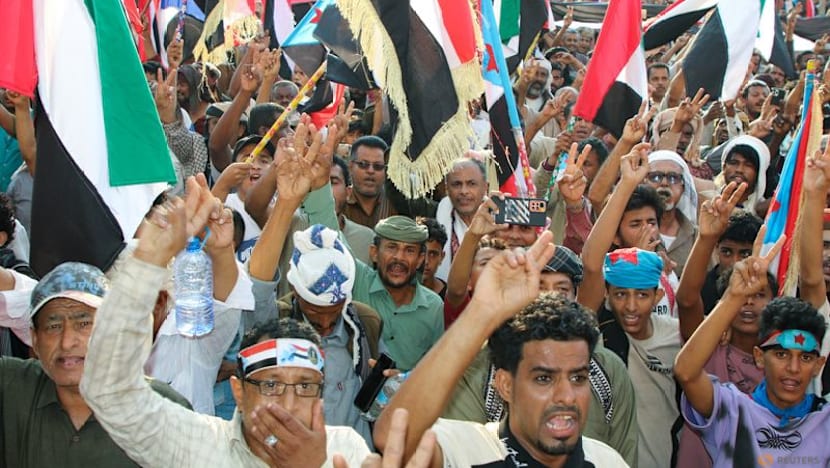
In the latest round of violence, airstrikes launched by Saudi forces resulted in the deaths of at least 20 individuals in southern Yemen, marking a tragic toll amid ongoing hostilities. Separatist factions in the region have taken this opportunity to declare a two-year transition towards independence, a move that could reshape the political landscape of Yemen. The separatists, who have been gaining ground in recent months, view the current chaos as a moment to solidify their ambitions for autonomy from the internationally recognized government based in Aden.
According to reports, the recent military actions and the declarations from separatist leaders indicate a critical turning point in the struggle for control over southern Yemen. The capture of key military installations, such as the 37th Brigade camp, has been highlighted as a significant victory for separatist forces, further complicating the already fragmented situation in the country.
The backdrop of this conflict is rooted in a complex web of alliances and enmities that have developed since the outbreak of the Yemen Civil War in 2015. Initially, a coalition led by Saudi Arabia intervened to reinstate the government of President Abdrabbuh Mansur Hadi, which was ousted by Houthi rebels. However, the involvement of various factions, including the UAE's support for local militias, has created a multifaceted war where loyalties are often in flux.
The ongoing conflict has resulted in a humanitarian crisis, with millions of Yemenis facing famine and lack of basic services. As violence escalates, the United Nations and various humanitarian organizations continue to call for ceasefires and peaceful negotiations to end the suffering of the Yemeni people.
The current situation in Yemen is precarious, with the potential for further violence as both Saudi Arabia and the separatists push their agendas. Analysts warn that if the conflict continues to escalate, it could lead to a broader confrontation that may draw in regional powers and exacerbate the humanitarian disaster.
As the international community watches closely, the future of Yemen remains uncertain, with the possibility of prolonged conflict looming on the horizon. With the dynamics shifting rapidly, it is critical for diplomatic efforts to resume to prevent further loss of life and to seek a resolution that addresses the aspirations of all parties involved.
In conclusion, the recent developments in Yemen highlight the fragility of peace efforts and the complex interplay of regional politics. The stakes are high as both Saudi Arabia and the separatists maneuver for control, leaving the Yemeni populace to bear the brunt of the escalating violence.






