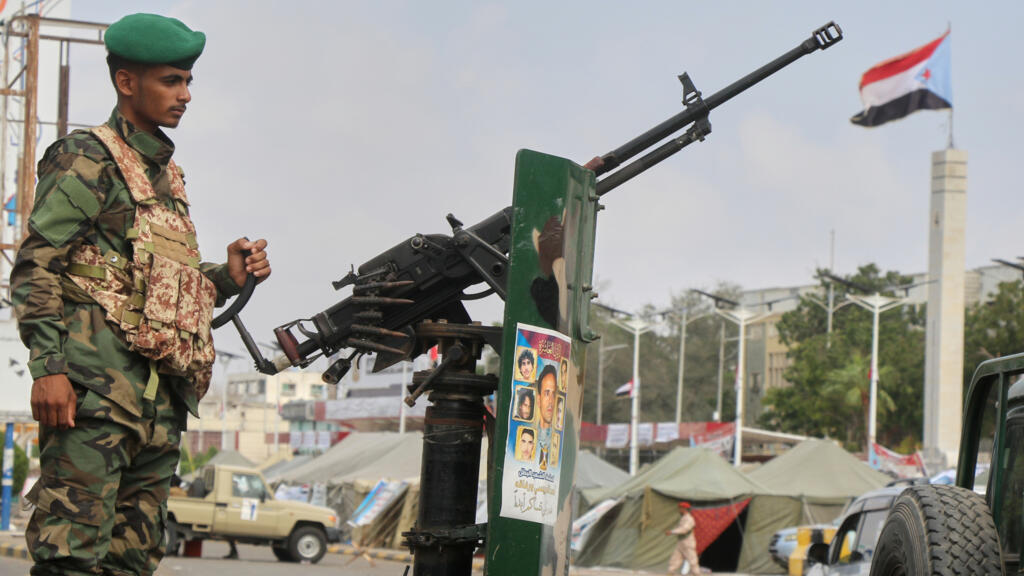

Escalating Conflict in Yemen: Saudi Arabia Targets UAE-Backed Separatists
In a significant escalation of tensions in Yemen, Saudi Arabia has intensified its military campaign against the Southern Transitional Council (STC), a separatist group backed by the United Arab Emirates (UAE). This development comes amidst a backdrop of political maneuvering and accusations of support for separatist forces between the two Gulf nations, further complicating the already volatile situation in Yemen.
On December 31, 2025, Saudi Arabia launched a series of air strikes targeting STC positions in Hadramawt province, claiming the operations were necessary to neutralize threats posed by the separatists. The strikes were described by Saudi officials as a response to evidence suggesting that the UAE was shipping arms to the STC, a claim that the UAE has vehemently denied. The UAE stated that the vehicles intercepted at a Yemeni port were not intended for any militant group, asserting that no weapons were included in the shipment. This denial has done little to quell the rising tensions between the two nations, which have supported opposing sides in Yemen's protracted civil war for over a decade.
The conflict escalated further as the governor of Hadramawt, backed by Saudi Arabia, announced what he termed a "peaceful operation" aimed at reclaiming military positions taken by the STC in recent weeks. This move underscores the increasing divide between Saudi Arabia and the UAE, both of whom have previously collaborated in their efforts to influence Yemen’s political landscape but are now at odds over the control of strategic areas.
Accusations have been exchanged between the two countries, with the STC accusing Saudi Arabia of indiscriminate bombings targeting its forces. Reports from the ground indicate that fighting has erupted along the border between Yemen and Saudi Arabia, intensifying fears of a broader conflict that could further destabilize the region. The STC's military capabilities have been bolstered by UAE support, which complicates Saudi Arabia's military strategy and increases the risks of collateral damage in civilian areas.
The situation in Yemen remains dire, with millions suffering from humanitarian crises exacerbated by ongoing warfare. The conflict, which began in 2014, has drawn in regional powers, leading to a complex proxy war that has seen various factions vie for control. The recent Saudi-UAE rift adds another layer of complexity, as both countries must navigate their competing interests while addressing the humanitarian needs of the Yemeni population.
In the broader context of the region, the rift between Saudi Arabia and the UAE reflects shifting alliances and the fragility of cooperative efforts to stabilize Yemen. As both nations grapple with their domestic and international pressures, the potential for further escalation remains high. Observers are closely monitoring the situation, as any significant military confrontation could have profound implications for regional stability and peace prospects in Yemen.
The international community continues to urge for a ceasefire and a return to negotiations, but with the latest developments, the prospects for peace appear increasingly distant. Humanitarian organizations are also calling for increased access to aid, as the ongoing conflict threatens to plunge Yemen deeper into crisis.
As the conflict in Yemen unfolds, the actions of Saudi Arabia and the UAE will be critical in shaping the future of the war-torn nation. The situation remains fluid, and the potential for escalation necessitates urgent attention from world leaders and organizations committed to finding a resolution to this prolonged conflict.






