
Escalating Clashes in Yemen Strand Dozens of Italian Tourists as Saudi-Led Campaign Intensifies
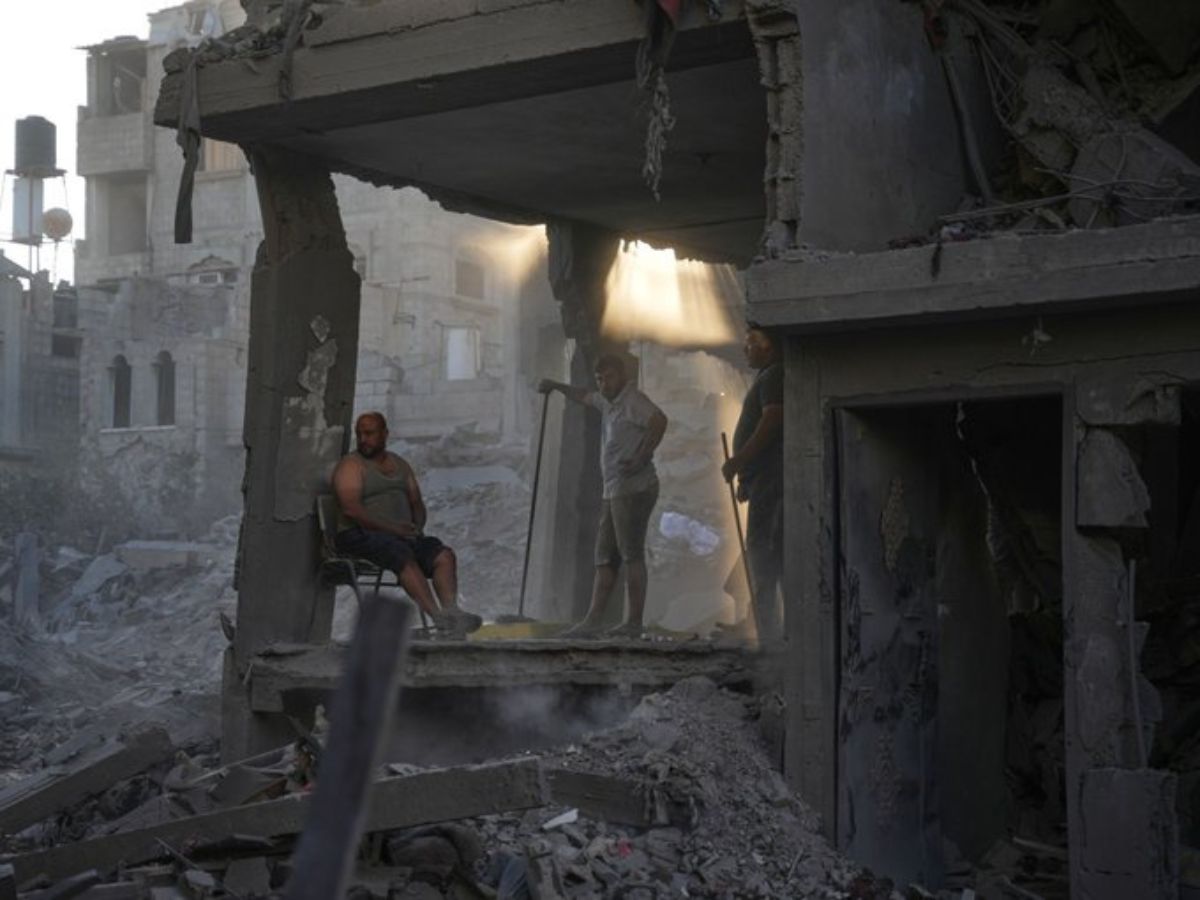
Rome, Italy – Dozens of Italian tourists are stranded in Yemen after ongoing clashes prompted the suspension of flights, exacerbating a humanitarian crisis in the war-torn nation amid heightened military tensions involving Saudi Arabia and its allies.
The development was highlighted in a daily news roundup from Italy on Tuesday, January 6, 2026, which reported that the clashes have disrupted air travel, leaving travelers unable to depart. This incident underscores the fragile security situation in Yemen, where a Saudi-led bombing campaign has escalated since late December 2025, coinciding with diplomatic frictions between Saudi Arabia and the United Arab Emirates (UAE).
The conflict's severity has been rated as high, with escalations beginning on Wednesday, December 31, 2025, at 08:08 GMT. Saudi Arabia recently disclosed details of its aerial operations targeting Houthi positions and other militants, a move analysts link to renewed efforts to counter Iran-backed rebels who have controlled much of northern Yemen since 2014. These revelations come as the UAE announces plans to withdraw its forces from key southern areas, prompting mutual accusations of supporting separatist groups.
Details of the Stranding and Immediate Impact
According to the Italian news summary from The Local Italy, the stranded tourists are among those caught in the crossfire of intensified fighting. Flights from major Yemeni airports, including those in Sanaa and Aden, have been halted indefinitely due to the clashes, leaving passengers in limbo. Italian authorities are reportedly coordinating with local officials and international partners to secure safe evacuations, though no specific timeline has been provided.
The stranded Italians were likely visiting cultural or coastal sites, as Yemen—despite its protracted civil war—continues to draw limited adventure tourism to areas like Socotra Island or historical sites in safer southern regions. However, the sudden flight suspensions highlight the rapid deterioration of security, with clashes now spilling over into civilian infrastructure.
Broader Context of Saudi-Yemen Tensions
Yemen's conflict traces back to 2014 when Houthi rebels seized the capital, Sanaa, prompting a Saudi-led coalition intervention in March 2015 to restore the internationally recognized government. The coalition, initially backed by the UAE, has conducted thousands of airstrikes, resulting in significant civilian casualties and a humanitarian disaster that has left over 21 million Yemenis in need of aid, according to United Nations estimates.
Recent escalations stem from fractures within the coalition. The UAE has scaled back its involvement since 2019, shifting focus to supporting the Southern Transitional Council (STC), a separatist group seeking independence for southern Yemen. Saudi Arabia, aligned with the Yemeni government under President Rashad al-Alimi, has accused the UAE of bolstering these separatists, while Abu Dhabi has criticized Riyadh for ineffective leadership against the Houthis.
The UAE's planned force withdrawal, confirmed in late 2025, has accelerated these tensions. Saudi disclosures of bombing details—targeting Houthi weapon depots and command centers—appear aimed at demonstrating resolve and reassuring allies amid the UAE pullback. Clashes reported in early January 2026, particularly around Aden and Marib, involve government forces clashing with both Houthis and STC militias, creating a multi-front battlefield.
Background on Yemen's Fractured Alliances
The Saudi-UAE rift is not new. In 2020, fighting erupted between pro-government forces and STC fighters in Aden, exposing coalition divisions. A 2022 Saudi-UAE agreement in Riyadh aimed to reconcile differences, but underlying competition for influence persists. The Houthis, meanwhile, have expanded their reach, launching missile and drone attacks on Saudi oil facilities as recently as 2022 and resuming Red Sea shipping disruptions in late 2023 amid the Israel-Hamas war.
International observers, including the UN, have called for de-escalation. A fragile truce brokered in April 2022 has largely held but expired without renewal, leading to sporadic violence. The current flare-up risks broader regional instability, potentially drawing in Iran or complicating U.S. efforts under the Biden administration to end the "world's worst humanitarian crisis."
Outlook and International Response
As of January 6, 2026, no casualties among the stranded Italians have been reported, but the Italian Foreign Ministry has issued urgent travel advisories, urging nationals to shelter in place. The European Union and Saudi Arabia have pledged assistance for evacuations, while Oman—acting as a neutral mediator—offers transit routes.
The UAE's withdrawal could reshape southern Yemen's power dynamics, potentially emboldening separatists or Houthis. Saudi Arabia's intensified campaign may pressure rebels toward talks, but experts warn of prolonged stalemate without inclusive negotiations.
Yemen remains a flashpoint, with over 377,000 deaths linked to the war since 2015, per UN data. The stranding of foreign tourists serves as a stark reminder of how internal conflicts reverberate globally, disrupting lives far beyond the battlefield.
(Word count: 612)