
Escalating Civil Unrest in India: Police Attacks, Denied Bails, and Student Protests Signal Rising Tensions
New Delhi, India – A series of civil unrest incidents across India in early January 2026 has heightened concerns over public order, with violent clashes during an anti-mining protest, a Supreme Court decision prolonging detentions in a high-profile riots case, renewed demonstrations over a long-standing murder case, and campus unrest at a premier university.
The most severe episode unfolded on January 2 in Raigarh district, Chhattisgarh, during a protest against mining activities. A woman constable was attacked, stripped, and filmed by protesters, prompting the arrest of two men. Villagers confronted police forces and blocked roads, escalating the confrontation in the mineral-rich region known for tribal opposition to coal mining. Raigarh, part of Chhattisgarh's Hasdeo Arand forest area, has witnessed repeated protests against coal block allocations, which activists claim displace indigenous communities and damage the environment. The incident drew widespread condemnation from state authorities, who vowed strict action amid ongoing tensions between locals and mining operations backed by both public and private firms.
Just days later, on January 5, the Supreme Court of India denied bail to student activists Umar Khalid and Sharjeel Imam in connection with the 2020 Delhi riots case. The decision has left their families disappointed, emphasizing the activists' prolonged incarceration without trial. Khalid, a former Jawaharlal Nehru University (JNU) student, and Imam, a mathematician and speaker, have been detained under the Unlawful Activities (Prevention) Act (UAPA) since 2020. The riots, which erupted amid protests against the Citizenship Amendment Act (CAA), resulted in over 50 deaths and hundreds of injuries, primarily in northeast Delhi. Courts have cited the gravity of allegations, including conspiracy charges, as reasons for denying bail, though human rights groups have criticized the delays in trials for over 1,500 accused individuals.
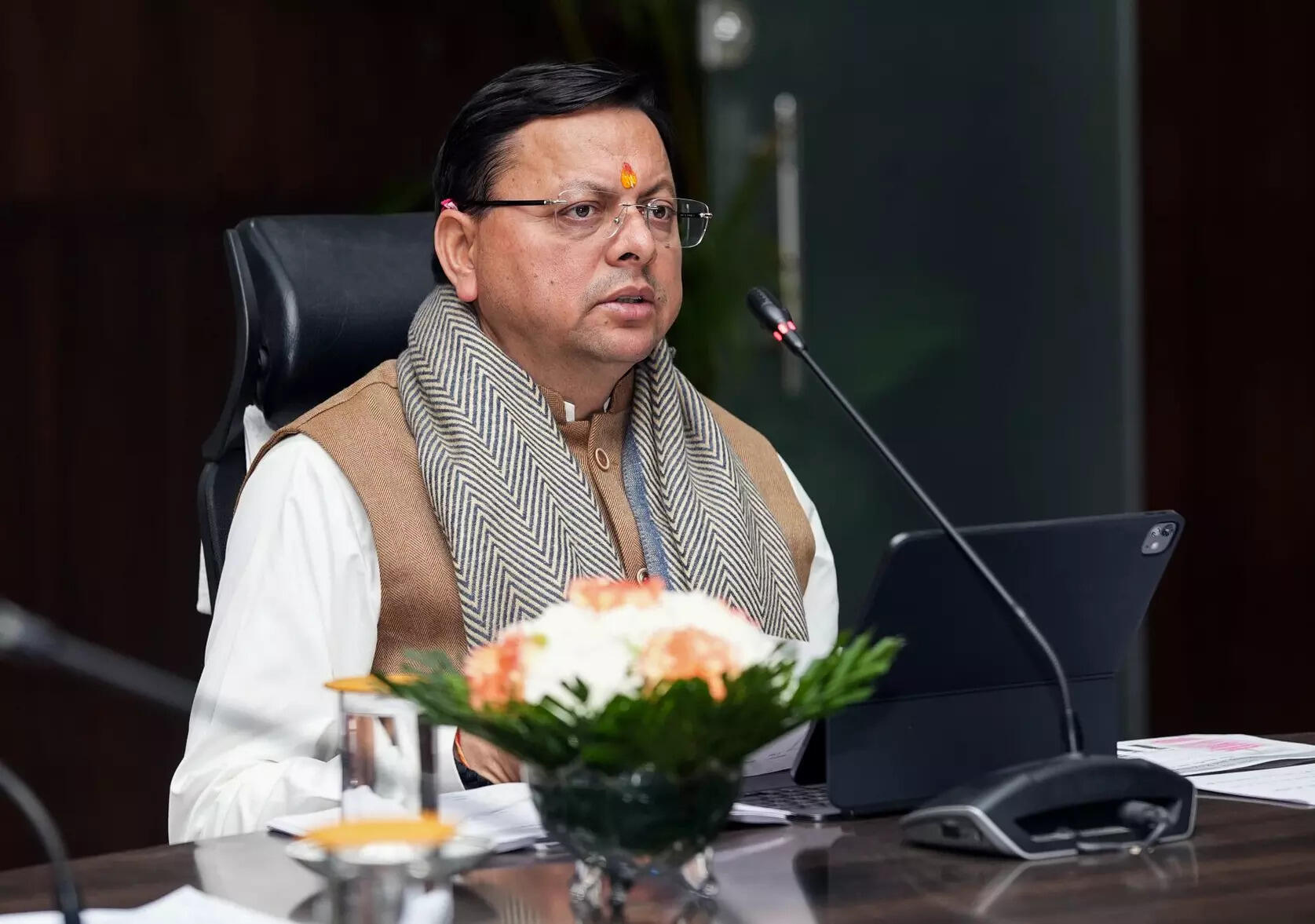
Adding to the wave of unrest, fresh protests erupted in Uttarakhand over the Ankita Bhandari murder case, as reported on January 6. Uttarakhand Chief Minister Pushkar Singh Dhami announced plans to meet the victim's parents amid demonstrations demanding justice. Bhandari, a 19-year-old receptionist, was allegedly murdered in 2022 by the son of a former Bharatiya Janata Party (BJP) leader at a resort in Rishikesh. The case sparked statewide outrage at the time, leading to political upheaval, including the arrest of the prime suspect, Pulkit Arya, and two others. While convictions were secured in lower courts, the resurgence of protests underscores lingering public dissatisfaction with the handling of the high-profile case in the hill state.
Simultaneously, on January 6, Jawaharlal Nehru University (JNU) in New Delhi sought a First Information Report (FIR) against students who raised anti-government slogans during a protest. The demonstration targeted Prime Minister Narendra Modi and Home Minister Amit Shah, continuing JNU's history of politically charged activism. The university administration's move reflects efforts to curb disruptions on campus, which has been a hotspot for protests since the 2019 fee hike agitation and subsequent violence.
Background on India's Civil Unrest Landscape
India's federal structure often sees localized grievances manifest as protests, particularly in resource-rich states like Chhattisgarh, where mining conflicts pit economic development against environmental and tribal rights. The National Crime Records Bureau data indicates a rise in law-and-order incidents involving police in protest scenarios over the past few years. Nationally, the 2020 Delhi riots remain a flashpoint, with legal proceedings under UAPA drawing scrutiny from the United Nations and Amnesty International for potential misuse against dissenters.
Campus politics at institutions like JNU frequently intersect with broader national debates on governance, secularism, and economic policies. Uttarakhand's protests revive conversations on women's safety and political accountability, issues amplified post-2022 amid elections.
Outlook
Authorities in affected regions have ramped up security measures, with Chhattisgarh police reinforcing presence in Raigarh and Delhi courts adhering to trial timelines under judicial oversight. As India navigates economic recovery and upcoming state elections, these incidents highlight fault lines between state power and public dissent. No major escalations have been reported since January 6, but monitoring continues amid calls for dialogue from civil society.
(Word count: 612)