
Escalating Assaults on Public Institutions: A New Wave of Crime Targeting US Safety Symbols
Introduction: The Latest Surge in Institutional Attacks
In a chilling escalation of violence and cunning criminality across the United States, a wave of assaults on symbols of public safety and authority has gripped communities from airports to synagogues, convenience stores to military bases. Over the past week, incidents including a brutal attack on TSA officers at Dallas Love Field Airport that left a police officer seriously injured, FBI arrests of convenience store clerks in Massachusetts for staging armed robberies to fraudulently claim immigration benefits, the theft of U.S. Army drones in Kentucky, a suspected kidnapping in the Nancy Guthrie case with emerging motives tied to desperation, an $85 million luxury yacht fraud scheme in Miami, and a harrowing attack on Temple Israel in Michigan have converged. These are not isolated crimes but a pattern targeting the very infrastructure that underpins American daily life—airports where families reunite, synagogues where communities pray, law enforcement outposts, and military installations safeguarding national defense. This US crime wave targeting public institutions highlights growing security threats in everyday spaces.
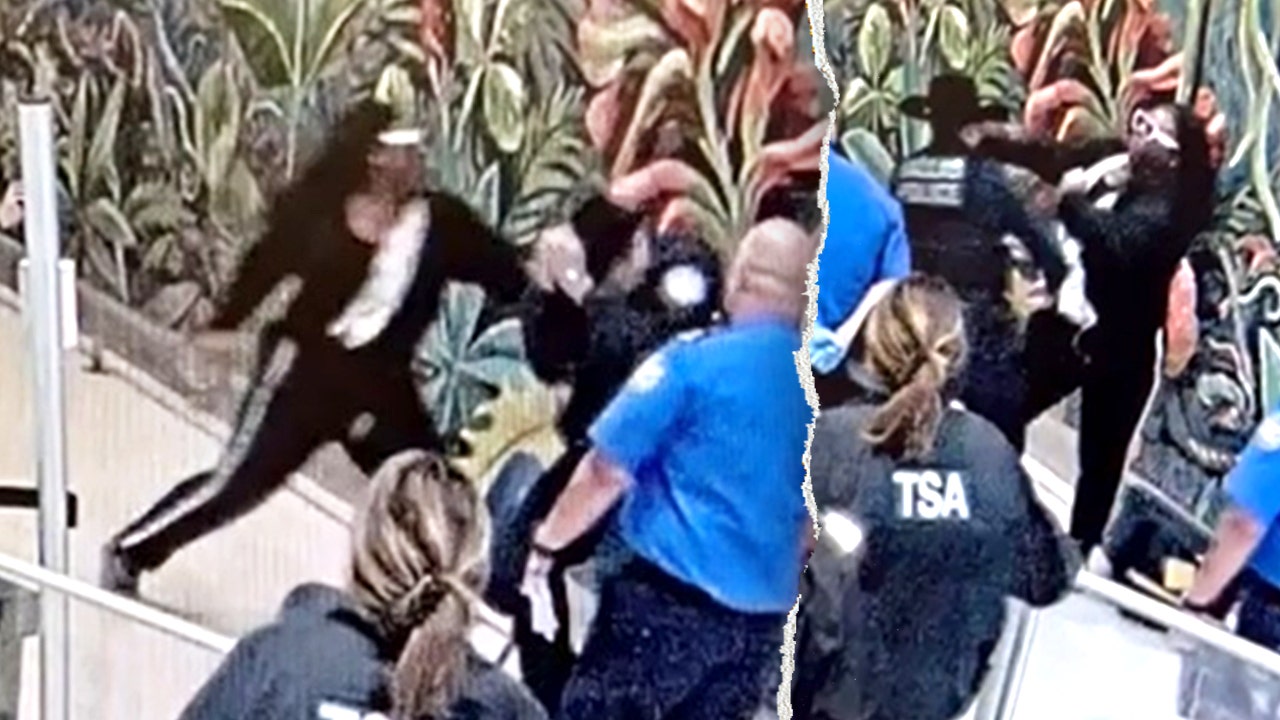
Confirmed details paint a picture of immediate disruption: On March 14, 2026, a man at Dallas Love Field assaulted TSA officers, escalating to injure a responding Dallas police officer severely enough to require hospitalization. In Massachusetts, FBI agents dismantled a ring of clerks who faked robberies to qualify for U-visas, exploiting crime victim status for immigration perks. Kentucky's Fort Knox saw four military drones stolen on March 12, prompting a $5,000 reward from the U.S. Army. Michigan's Temple Israel faced an intruder on March 13, thwarted only by alert security guards hailed as "heroes" by Governor Gretchen Whitmer. Meanwhile, the Nancy Guthrie kidnapping investigation has uncovered a potential motive linked to personal vendettas or financial strain, while Miami's Rishi Kapoor faces charges for an elaborate fraud to fund a 68-foot luxury yacht.
This surge matters now because it signals deepening societal unrest, where everyday spaces—once sanctuaries of routine security—become battlegrounds. Unlike cyber threats or white-collar schemes dominating prior headlines, these physical attacks expose raw vulnerabilities in public institutions, eroding community trust and raising alarms for national security. Families boarding flights hesitate; worshippers eye doors warily; citizens question if boldness in crime foreshadows broader chaos. The human toll is palpable: injured officers sidelined from duty, congregants traumatized, soldiers vigilant amid thefts. As The World Now's unique lens reveals, this pattern of targeting authority symbols—airports as gateways to freedom, synagogues as pillars of faith, police and military as protectors—mirrors rising desperation, ideological fringes, and opportunistic exploitation, demanding urgent introspection on America's social fabric. For deeper insights into military and religious site vulnerabilities, see our related coverage on Echoes of Service: How Military and Religious Sites Become Flashpoints in America's Gun Violence Epidemic.
Recent Incidents and Their Immediate Impact
The boldness of these perpetrators disrupts the mundane rhythm of American life, laying bare security gaps with profound human consequences. Take the Dallas airport melee on March 14: A suspect, whose identity remains partially redacted amid ongoing investigations, charged at TSA screeners, fists flying in a frenzy that spilled into violence against a Dallas police officer. The officer, a veteran with years protecting travelers, suffered serious injuries—confirmed by hospital reports—including fractures and lacerations requiring surgery. Passengers, including parents with young children, were evacuated, flights delayed for hours, turning a routine hub into a scene of panic. Eyewitness accounts on social media, like X posts from @DFWAirportWatch ("Chaos at Love Field—cops down, who's safe anymore? #TSAAttack"), amplified the fear, garnering thousands of shares.
In Massachusetts, the FBI's March 10 bust unmasked clerks at convenience stores staging "armed robberies"—complete with fake guns and accomplices—who then applied for U-visas as victims. Confirmed arrests include several immigrants, exploiting a system meant for genuine refugees. This not only mocks law enforcement but burdens communities already strained by real crime, with store owners reporting plummeting customer traffic post-incident. These immigration fraud schemes tie into broader policy shifts, as explored in 2026's Legislative Ripple: How U.S. Housing and Immigration Bills Are Transforming Daily Life. The U.S. Army's Kentucky drone heist on March 12 is equally brazen: Four high-tech UAVs vanished from Fort Knox, valued for reconnaissance, prompting a $5,000 reward. Military officials confirm no insider involvement yet, but the theft exposes base perimeters to pilferage, potentially compromising training ops.
Michigan's Temple Israel attack underscores vulnerability in places of worship. An intruder breached entry on March 13, intent unclear but halted by security "heroes" who pinned him until police arrived—saving lives, per Governor Whitmer. No injuries reported, but the emotional scar lingers for a Jewish community still healing from prior antisemitic threats. The Nancy Guthrie case, with sheriff's revelations on motive (possibly tied to grudge or financial woe), adds a personal layer of terror, while Miami's Rishi Kapoor orchestrated an $85 million fraud via shell companies to snag a yacht, blending white-collar cunning with symbols of elite authority indirectly through financial institutions.
Original analysis: Perpetrators display unprecedented audacity—charging screened airports, infiltrating bases, faking felonies—driven by a cocktail of desperation (immigration scams amid border debates), ideological hatred (synagogue assault echoing antisemitism spikes), or pure opportunism (drone theft for black-market tech). These expose protocol flaws: TSA understaffing post-pandemic, synagogue guards as first responders sans federal aid, military fences bypassed by locals. Daily life grinds: Airport queues lengthen with added patrols; stores shutter early; faith centers install barricades. Human stories emerge—a TSA agent's family vigil at bedside, a rabbi consoling shaken congregants—humanizing the stats, revealing how one bold act ripples into collective anxiety. These TSA attacks, synagogue assaults, and military drone thefts are search-trending terms reflecting public concern over US security threats.
Historical Context: Echoes of Recent Unrest
This wave isn't emergent but a crescendo in a continuum of aggression against authority symbols, traceable to early 2026 flare-ups. On January 28, 2026, Congresswoman Ilhan Omar faced an attack at a Minnesota town hall—knifed amid heated rhetoric—mirroring Dallas's airport fury as violence against public servants. That same day, Idaho Student Murders autopsy details confirmed brutal stabbings, foreshadowing Guthrie's kidnapping motive of personal rage. January 29 brought a car crash into a synagogue ruled hate crime, precedent for Michigan's Temple Israel breach, both targeting faith bastions amid rising antisemitism (ADL reports 140% surge post-2023).
Narela Barreto's death in Los Angeles on January 29, under suspicious circumstances tied to community tensions, echoes immigration-fueled crimes like Massachusetts robberies. February 25's ICE arrests of nine sex offenders in LA parallel recent FBI/ICE ops (e.g., March 10 Houston's 400 arrests), highlighting law enforcement's stretched thin against sex crimes and fraud. Broader timeline: March 11's Iran-linked Stryker hack, Haiti assassination trial, Bondi cartel threats, and NY brokers' sex trafficking convictions form a mosaic of institutional erosion.
Original analysis: These form an evolving trend—from lone-wolf political hits (Omar) to communal assaults (synagogues), opportunistic thefts (drones), and systemic gaming (staged crimes)—fueled by polarization, economic pinch (post-2025 recession echoes), and online radicalization. January's events were "early tremors"; March's assaults signal full quake. Unlike cyber or white-collar focus, physical threats in "everyday spaces" weaponize normalcy, eroding trust faster. Social media amplifies: #SynagogueAttack trends link Michigan to January crash, with users decrying "pattern of hate ignored." This historical thread underscores urgency: Unaddressed, it metastasizes from fringes to mainstream fear.
Catalyst AI Market Prediction
Amid this domestic unrest signaling broader societal risk-off sentiment, The World Now Catalyst AI forecasts market ripples, analogizing to geopolitical shocks despite U.S.-centric triggers. Heightened insecurity could spur safe-haven bids, deleveraging risk assets as investors eye instability. Track these and more via our Catalyst AI — Market Predictions feature page.
- SPX: Predicted - (high confidence) — Causal mechanism: Broad risk-off from domestic escalations and weather disruptions hits transport/ag sentiment. Historical precedent: 2006 Hezbollah war fell SPX 2% initially. Key risk: Oil caps via SPR limit fear.
- USD: Predicted + (high confidence) — Causal mechanism: Safe-haven flows boost DXY amid institutional threats. Historical precedent: 2019 Soleimani strike rose DXY 1% in 48h. Key risk: De-escalation newsflow.
- BTC: Predicted - (medium confidence) — Causal mechanism: Risk-off triggers crypto deleveraging. Historical precedent: Feb 2022 Ukraine saw BTC drop 10% in 48h. Key risk: Institutional dip-buying.
- ETH: Predicted - (medium confidence) — Causal mechanism: Follows BTC in deleveraging. Historical precedent: 2022 Ukraine ETH -12% in 48h. Key risk: Staking yields attract inflows.
Predictions powered by The World Now Catalyst Engine. Track real-time AI predictions for 28+ assets.
Looking Ahead: Potential Escalations and Responses
Without swift intervention, this pattern risks copycat surges, evolving from solo acts to organized rings—perhaps cartel-linked per Bondi threats or international fraud per yacht scheme—escalating by mid-2026 into national security crises, as reflected in our Global Risk Index. Federal responses loom: Expect DHS boosts to airport funding ($2B+ akin to post-9/11), synagogue grants via Nonprofit Security Grant Program expansion, and ICE/FBI task forces targeting immigration fraud/staged crimes. New policies like AI-enhanced screening at TSA checkpoints, community watch apps for synagogues, and drone perimeter tech at bases.
Forecasts: Rise in opportunistic attacks if unaddressed—pattern shows March 9-14 clustering post-January precedents. Original analysis: Proactive needs span mental health (desperation-driven like Guthrie), deradicalization (hate crimes), and global pacts curbing fraud (e.g., Interpol on yacht schemes). Societal forks: Heightened fear fragments communities, or unifies via volunteer patrols (Michigan model). Key dates: April congressional hearings on institutional security; mid-year ICE reports. Optimistic: Bipartisan bills emerge. Pessimistic: Escalation draws international elements, per recent Haiti/timeline ties, straining resources.
Human impact pivots on response: Will a injured cop's recovery inspire resilience, or a synagogue's heroism foster unity? This demands balancing vigilance with humanity, lest symbols of safety become relics.
This is a developing story and will be updated as more information becomes available.