
US Economy in Turmoil: How Global Trade Probes and Oil Volatility Threaten Household Budgets in 2026
The Story
The narrative unfolding across U.S. economic frontlines is one of interconnected shocks hitting households where it hurts most: the checkout line and the gas pump. Confirmed reports detail California gasoline prices rocketing to $5.42 a gallon as of March 13, 2026, driven by Iran war stresses on refiners (Newsmax). This isn't isolated; nationwide fuel costs are spiraling, exacerbated by oil's weekly gains despite U.S. sanctions waivers on Russian purchases (Channel News Asia). Meanwhile, U.S. farmers are rushing to sell corn and other crops amid the volatility, fearing prolonged disruptions could trap their harvests in unstable markets (Newsmax). This fire-sale mentality risks short-term food price spikes as supply floods the market, only to potentially vanish later if global tensions persist. Such Iran war oil shocks are amplifying financial turmoil across sectors, from agriculture to manufacturing.
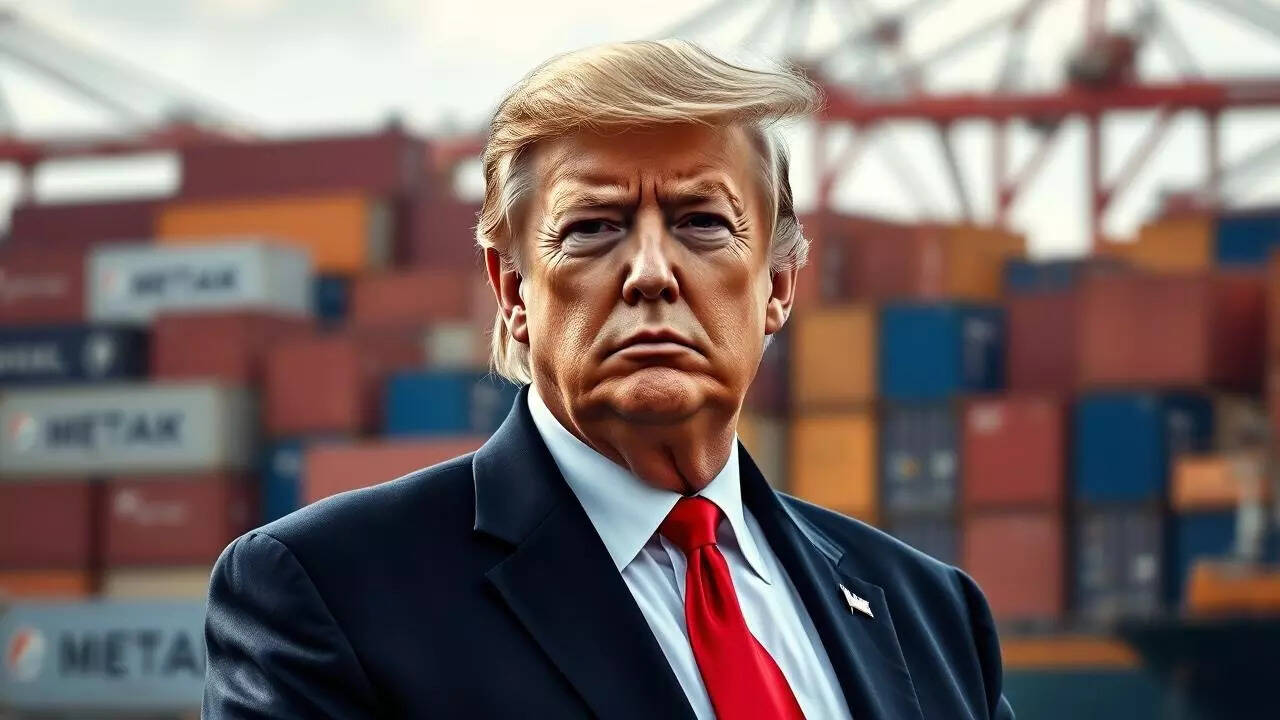
Compounding this, the U.S. Trade Representative (USTR) has launched sweeping Section 301 probes into forced labor practices across 60 countries, including major trading partners like India and South Korea (Times of India, Dawn, Yonhap). These investigations, triggered by the perceived "collapse" of prior Trump-era tariff strategies, aim to block imports linked to exploitation but are already snarling supply chains for consumer goods. Electronics, apparel, and even food ingredients reliant on these imports face delays and cost inflation.
A temporary salve comes from the U.S. easing shipping rules to curb fuel price spirals (Straits Times), allowing more flexible vessel operations amid Red Sea and Hormuz disruptions. Yet, experts question its longevity; it's a band-aid on a gushing wound, unlikely to prevent widespread shortages if probes escalate or oil holds above $100— a level breached on March 8 amid Iran escalations.
This story echoes deeper patterns. The U.S. economy grew at just half the expected rate in Q4 2025, hampered by tariffs and a government shutdown (El Pais). Households feel it acutely: rising energy costs layer atop healthcare hikes that began January 2, 2026, when premiums surged for millions. Optimistic forecasts—like the UN's January 9 growth outlook and IMF's January 19 upgrade—now ring hollow against these headwinds. Recall January 18's Trump tariffs on Europe over Greenland disputes, which amplified volatility much like today's probes. The dollar's struggles pre-Fed meeting on January 27 further underscore currency fragility amid conflicts.
Recent timeline beats amplify the urgency: Wall Street bank stocks plunged 30% on March 8 (HIGH impact), coinciding with U.S. oil topping $100; Chinese firms sued over tariffs on March 9 (MEDIUM); and auto hiring spurred by tariffs on March 11 (LOW). From February highs, markets have whipsawed, with trade eased briefly before the U.S.-China summit on February 23.
Unconfirmed whispers on social media—such as X posts from farm accounts decrying "Iran panic dumping corn at fire-sale prices"—hint at rural desperation, but official data confirms the rush. No verified reports yet on probe outcomes, but delays could stretch months.
The Players
At the epicenter: USTR Katherine Tai, spearheading Section 301 probes to enforce labor standards, motivated by domestic political pressure to protect U.S. workers from "unfair" imports. Her office targets nations failing to ban forced-labor goods, from India's textiles to South Korea's manufacturing—60 in total.
Farmers, represented by groups like the American Farm Bureau, rush sales to lock in prices amid Iran-fueled rallies, driven by survival instincts against volatility. Refiners and shippers benefit short-term from eased rules but lobby for more amid Iran strikes.
Geopolitically, Iran looms large, its war stressing global oil via Hormuz threats, reducing output potential by 60%+. Russia gains from U.S. waivers, stabilizing some supply but not enough to cap prices. The Trump administration's shadow persists; its tariff "collapse" birthed these probes, reflecting a motivation to pivot from blunt duties to targeted enforcement.
Consumers? Largely passive victims, but retailers like Walmart and Best Buy signal inventory risks. Policymakers at the Fed watch closely, balancing inflation against slowdowns.
The Stakes
For American households, the stakes are visceral: lower-income families, spending 30-40% of budgets on food and fuel, face disproportionate hits. Forced-labor probes could delay 20-30% of imports for essentials—think affordable smartphones from India or budget apparel—pushing prices up 10-15% per economic models. Gas at $5.42 in California translates to $200+ monthly fills for commuters, eroding savings amid healthcare burdens.
Rural-urban divides widen: Farmers' sell-offs spike food prices short-term (e.g., corn-derived products up 5-10%), but long-term instability threatens heartland stability. Urban dwellers grapple with electronics shortages, as semis like TSM face indirect oil/transport hikes.
Economically, Q4 2025's halved growth warns of recession risks; trade probes echo 2018-2019 tariffs, which added 0.5% to CPI. Humanitarian angles: Probes combat exploitation but risk job losses in probed nations, potentially fueling migration pressures. Politically, midterm optics sour if budgets buckle. According to the Global Risk Index, these combined factors elevate overall geopolitical and economic risks to critical levels for 2026.
Market Impact Data
Markets are reeling in risk-off mode. Oil's high-confidence upside prediction (+ from The World Now Catalyst AI) stems from Iran/Iraq supply hits, evoking 2019 Soleimani's 4% spike—now scaling higher with 60%+ output risks, though SPR releases loom. SPX faces downside (high confidence) from ME escalations and U.S. weather disrupting ag/transport, mirroring 2006 Hezbollah's 2% drop. USD strengthens (high conf.) on safe-haven flows, like 2019's 1% DXY post-Soleimani.
Gold rises (high conf.), shaping 2026 gold price predictions amid Iran war oil shocks; BTC/ETH/DOGE/BNB/XRP dip (medium/low) in deleveraging, akin to 2022 Ukraine. Tech like TSM/TSLA/META falls (medium) on risk-off and costs. EUR weakens (medium).
Recent volatility: Bank stocks -30% March 8; oil >$100 same day.
Catalyst AI Market Prediction
Powered by The World Now Catalyst Engine:
| Asset | Prediction | Confidence | Causal Mechanism | |-------|------------|------------|------------------| | SPX | - | High | Broad risk-off from ME escalations and US weather disrupts transport/ag, hitting sentiment. Historical precedent: 2006 Hezbollah war fell SPX 2% initially. Key risk: oil cap via SPR limits fear. | | USD | + | High | Safe-haven flows amid ME oil shocks boost DXY. Historical precedent: 2019 Soleimani strike rose DXY 1% in 48h. Key risk: de-escalation newsflow. | | TSM | - | Medium | Risk-off hits semis, indirect oil/transport costs rise. Historical precedent: 2019 India-Pakistan strikes semis -3% short-term. Key risk: China de-escalation unrelated boost. | | OIL | + | High | Direct supply hits from Iran/Iraq strikes and Hormuz tensions reduce output 60%+, spiking spot prices. Historical precedent: 2019 Soleimani strike jumped oil 4% intraday. Key risk: US SPR releases accelerate. | | EUR | - | Medium | USD safe-haven demand pressures EURUSD lower. Historical precedent: 2019 Soleimani EURUSD -1% in 48h. Key risk: swift de-escalation. | | BTC | - | Medium | Geopolitical risk-off triggers deleveraging. Historical precedent: 2022 Ukraine BTC -10% in 48h. Key risk: institutional dip-buying. | | ETH | - | Medium | Follows BTC in risk-off. Historical precedent: 2022 Ukraine ETH -12%. Key risk: staking yields. | | DOGE | - | Low | Meme coin amplifies BTC moves. Historical precedent: 2022 geopolitics DOGE -15%. Key risk: social hype. | | BNB | - | Low | Exchange token sells off. Historical precedent: 2022 Ukraine BNB -10%. Key risk: chain activity. | | META | - | Medium | High-beta tech sells. Historical precedent: 2019 Soleimani peers -2%. Key risk: ad spend resilience. | | XRP | - | Low | Risk-off hits alts. Historical precedent: 2022 Ukraine XRP -8%. Key risk: legal wins. | | GOLD | + | High | Safe-haven bid. Historical precedent: 2019 Soleimani +3%. Key risk: dollar overshoot. | | TSLA | - | Medium | Risk-off and transport hits EV. Historical precedent: 2011 tornadoes peers -3%. Key risk: China demand. |
Predictions powered by Catalyst AI — Market Predictions. Track real-time AI predictions for 28+ assets.
Looking Ahead
If probes intensify, U.S. growth could dip below Q4 2025's halved pace, risking mild recession by mid-2026—GDP contraction of 0.5-1%, per models. Fed may accelerate cuts post-March meetings, or Congress push domestic incentives like farm subsidies and reshoring tax breaks. These scenarios highlight the ongoing economic ripple effects of the Iran conflict, demanding vigilant monitoring of trade policies, oil volatility, and household impacts.
Consumers shift to local goods: expect "Buy American" surges fostering innovation (e.g., U.S. electronics hubs) but 5-10% short-term hikes. Energy persistence widens inequality—rural farmers vs. urban commuters—urging targeted aid like fuel vouchers.
Cascading risks: Heightened inequality if oil stays elevated; policy must prioritize households. Key dates: USTR probe updates (April-May), Fed March 19-20, Iran de-escalation signals. Bull case: Eased shipping scales, waivers expand. Bear: Probes yield tariffs, Hormuz blockade.
This is a developing story and will be updated as more information becomes available.






