
Escalating Aggression: The Consequences of Recent Strikes in Gaza and Their Historical Echoes
Overview of Recent Strikes
Israeli airstrikes have resulted in the deaths of at least 12 Palestinians in Gaza over the past 48 hours, marking a significant escalation in violence that resonates with historical patterns of conflict. These strikes, reported on February 27-28, 2026, have profound psychological and socio-economic impacts on the Palestinian community. Amidst this turmoil, Israel's Supreme Court has ruled to allow humanitarian aid operations to continue, highlighting the stark contrast between military actions and the fragile relief efforts.
Current Situation and Reactions
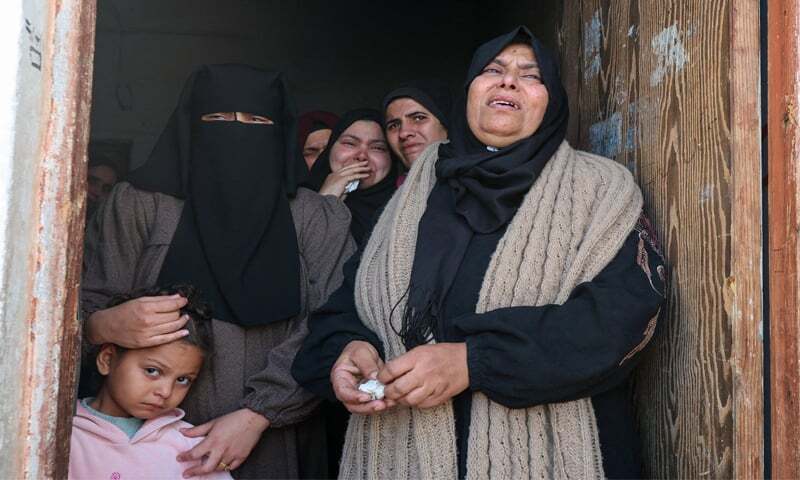
The recent Israeli strikes have led to significant casualties, with reports indicating that seven Palestinians were killed in attacks targeting residential areas in Gaza City and southern regions. Additionally, five more deaths were reported from separate airstrikes. Local communities are grappling with grief and defiance, as health officials confirm the toll and eyewitnesses describe scenes of destruction in densely populated neighborhoods. International observers, including the UN, have condemned the strikes as disproportionate and called for an immediate ceasefire. Aid organizations, such as the Red Cross, face challenges in accessing wounded civilians due to ongoing hostilities, further exacerbating the humanitarian crisis.
Historical Context and Implications
These events are part of a grim historical pattern of cyclical violence in Gaza, where escalations often follow periods of relative calm. Key incidents from early 2026 illustrate this trajectory: On January 7, an Israeli strike in Gaza City killed two civilians, sparking protests, while another strike on January 27 killed a child and injured their father, drawing global condemnation. The February 26 West Bank shooting incident further inflamed tensions, providing a backdrop for the current Gaza flare-up.
This timeline reveals a socio-political landscape shaped by repeated confrontations since the 2007 Hamas takeover, with major wars in 2008-09, 2012, 2014, and 2021 leaving Gaza's infrastructure in ruins. Past strikes have entrenched poverty, with unemployment hovering above 45% and 80% of residents reliant on aid. The current aggression mirrors these cycles, where tit-for-tat actions perpetuate a conflict that has displaced generations, fostering resilience but also deep trauma within the Palestinian community.
What This Means
The strikes not only result in loss of life but also impose a heavy psychological and socio-economic toll on the Palestinian population. Families in Gaza report pervasive anxiety disorders, with children exhibiting PTSD symptoms at rates exceeding 50%, according to local health NGOs. Daily life is severely disrupted: schools close, markets shutter, and access to water and electricity—already intermittent—worsens, pushing socio-economic indicators to breaking points.
Original analysis points to a vicious feedback loop: strikes erode community cohesion while bolstering hardline factions, as seen historically post-2014. For Palestinians, resilience manifests in grassroots mutual aid networks, but repeated violence risks societal fracture. Stakeholders face stark implications—Israel contends with international isolation, Hamas gains recruitment from despair, and Gaza's 2.3 million residents bear the brunt, with GDP per capita stagnant amid blockade-enforced dependency.
What People Are Saying
Social media amplifies voices from the ground. A tweet from Gaza resident Ahmed Al-Masri (@GazaVoice2026) went viral: "Another night of bombs. My neighbor's home gone, child lost. When does resilience become surrender? #GazaUnderFire" (12K retweets). Aid worker Sara Cohen of Doctors Without Borders posted: "Court win for aid access is hollow amid strikes killing our patients. Gaza's psych crisis is exploding—counseling overwhelmed." (@MSF_Gaza, 8K likes).
Official statements reflect the divide: Hamas called the strikes "genocidal," while Israel's military spokesperson stated that targets were "terror infrastructure." UNRWA chief Philippe Lazzarini tweeted: "12 dead in 48 hrs. History repeats; Gaza's children pay the price again." Experts like Palestinian analyst Dr. Nour Odeh noted on X: "Cyclical strikes breed cyclical trauma—socio-economic collapse inevitable without intervention."
Looking Ahead
Given historical patterns, further escalation is likely if retaliatory rocket fire from Gaza intensifies, potentially mirroring the 2021 conflict. De-escalation may hinge on U.S.-brokered diplomacy or Qatar-mediated talks, especially with Israel's court ruling signaling aid continuity. Neighboring Egypt and Jordan may increase border pressures, while humanitarian organizations like UNRWA predict a surge in appeals for over $1 billion in emergency funds. Observers should watch for potential spillover into the West Bank or International Criminal Court probes as global protests mount. A diplomatic pivot by March could avert wider conflict, but the current military momentum suggests riskier paths ahead.
This is a developing story and will be updated as more information becomes available.






