
Eruption of Europe's Most Active Volcano Raises Concerns in Lithuania
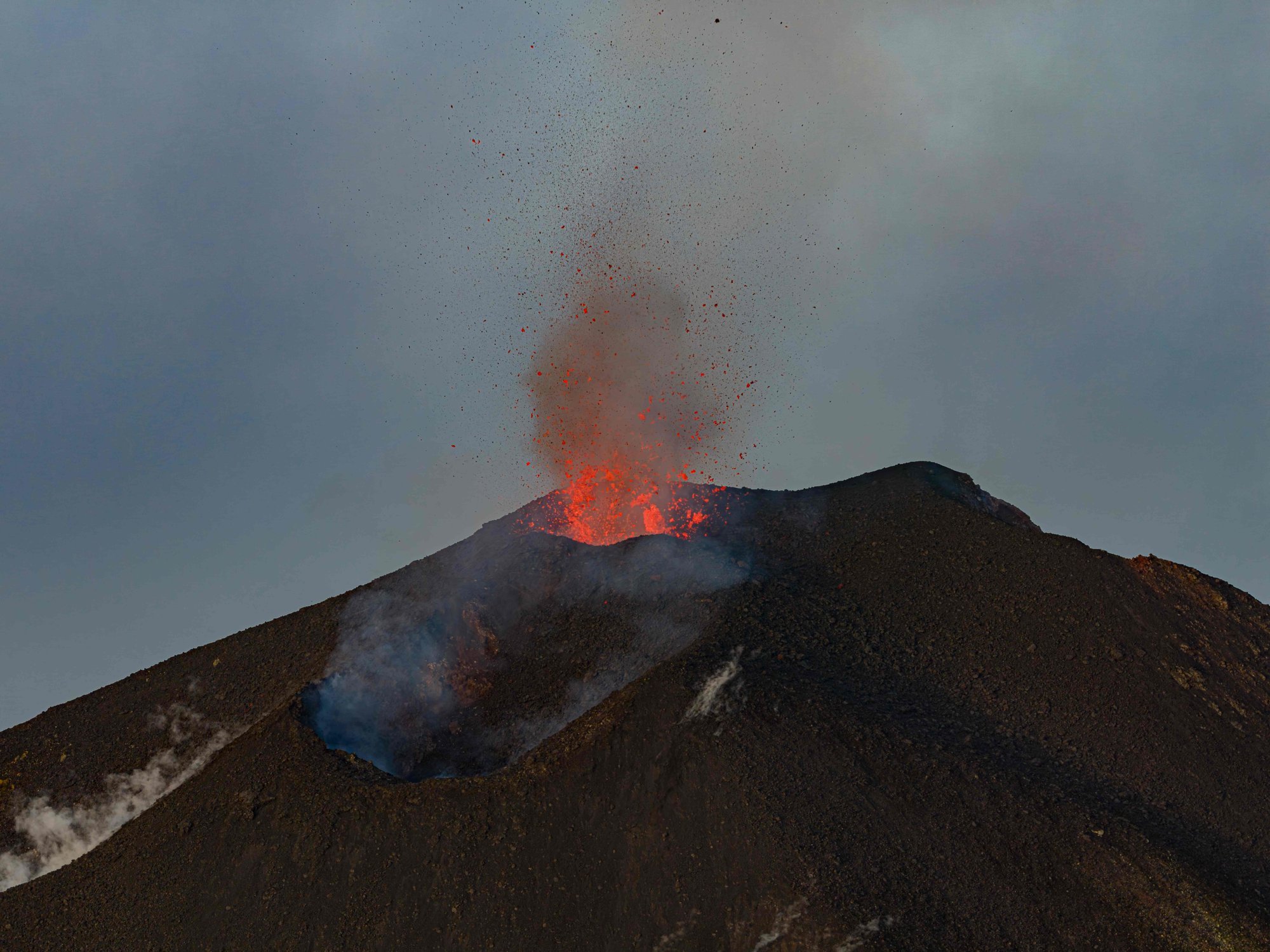
A significant volcanic eruption has occurred in Lithuania, marking a critical event in the region. The eruption of the most active volcano in Europe started on January 3, 2026, at 21:43 UTC, raising alarms among local authorities and residents. The severity of the eruption is classified as high, indicating potential risks to the surrounding communities and environment.
The volcano, located in the eastern part of the country, has been known for its geological activity. This recent eruption has prompted immediate monitoring and assessment by geological agencies and local government officials. The initial reports indicate that ash clouds are being released into the atmosphere, which could affect air quality and visibility in nearby areas.
Local authorities are urging residents to stay informed and to prepare for possible evacuations if the situation escalates. Emergency response teams have been mobilized to assess the impact of the eruption and to ensure the safety of the population. "We are closely monitoring the situation and are prepared to take necessary actions to protect our communities," said a spokesperson for the Lithuanian Civil Protection Department.
In addition to the immediate concerns for public safety, there are environmental implications to consider. Volcanic eruptions can lead to significant changes in the landscape, affecting ecosystems and potentially leading to longer-term geological changes in the region. Scientists are particularly concerned about the potential for volcanic ash to contaminate water supplies and affect agriculture.
Historically, Lithuania has experienced relatively few volcanic events, making this eruption particularly noteworthy. The last major eruption in Europe was recorded in Iceland, showcasing the unpredictable nature of volcanic activity. Experts emphasize the importance of understanding the geological factors at play, as well as the need for comprehensive disaster preparedness plans.
Authorities are also collaborating with international geological organizations to gather data and insights from the eruption. This cooperation is crucial for understanding the eruption's broader implications, both regionally and across Europe. "We are part of a global network of volcanic monitoring, and sharing information is vital for preparedness and response," added the spokesperson.
As the situation develops, officials are committed to keeping the public informed through regular updates. Residents are advised to follow official channels for the latest information and to remain vigilant in the face of potential hazards related to the eruption.
In conclusion, the eruption of Europe's most active volcano in Lithuania presents significant challenges and risks. With a high severity classification, it is imperative for local authorities and residents to prioritize safety and preparedness in the coming days. The situation remains dynamic, and ongoing monitoring will be essential as the region navigates the implications of this volcanic activity.