Echoes of the Past: Understanding the Current Civil Unrest in Iran Through Historical Lenses

Latest from X
Echoes of the Past: Understanding the Current Civil Unrest in Iran Through Historical Lenses
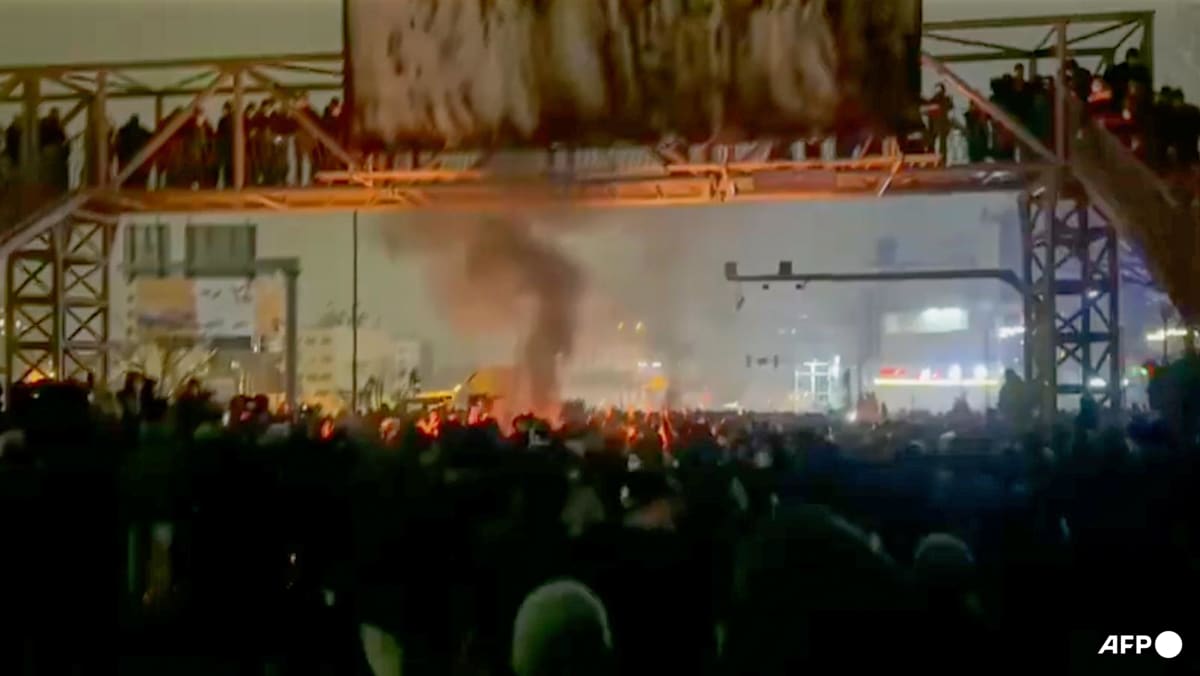
Iran's streets are once again alive with the chants of dissent, echoing the seismic upheavals that have periodically reshaped the nation's political landscape. The 2026 protests, now entering their second week as of January 13, mirror the patterns of past revolts—sparked by economic despair and escalating into demands for regime change—while amplified by modern digital tools. This unique lens of historical resonance reveals not just repetition but evolution: grievances from the 1979 Islamic Revolution continue to fuel today's unrest, as protesters invoke the very revolution that installed Ayatollah Ali Khamenei’s clerical regime.
The Historical Resonance of Dissent in Iran
Iran's history of civil unrest is a tapestry of economic hardship intertwined with ideological fervor. The 1979 Revolution, which ousted Shah Mohammad Reza Pahlavi and established the Islamic Republic under Ayatollah Ruhollah Khomeini, remains the defining rupture. It began with bread riots in 1978 amid inflation and repression, swelling into a mass movement that toppled the monarchy through strikes, demonstrations, and defections within the military. Yet, the revolution's promises of justice curdled into theocratic authoritarianism, breeding cycles of dissent: the 1999 student protests against conservative clampdowns, the 2009 Green Movement challenging electoral fraud, and the 2022 Mahsa Amini uprising over mandatory hijab laws.
These events cast a long shadow on the 2026 protests. Demonstrators explicitly reference 1979, chanting "Death to the Dictator" and pro-Shah slogans, signaling a desire to reverse the revolution's legacy. Economic collapse—hyperinflation exceeding 40%, a plummeting rial, and sanctions—echoes the triggers of past uprisings. Social media posts on X describe the unrest as "the biggest uprising since 1979," with users noting protesters burning hijabs and targeting police stations, much like revolutionary fervor half a century ago. This historical framing positions the protests not as isolated anger but as a culmination of unfulfilled revolutionary ideals, where the regime's clerical grip is now the oppressor.
A Timeline of Civil Unrest: From 2026 Onwards
The 2026 protests unfolded rapidly, paralleling the swift escalation of 1979's bread riots into nationwide revolt. Key events trace this trajectory:
-
January 1, 2026: Protests erupt across Tehran and other cities against Khamenei, ignited by economic woes including currency devaluation and soaring prices. Reports indicate business strikes and demonstrations in over 100 cities, reminiscent of 1978's bazaar shutdowns that paralyzed the economy.
-
January 2, 2026: Foreign support emerges, with U.S. figures like Donald Trump voicing backing—no boots on the ground, but threats of intervention if peaceful protesters are killed. This mirrors 1979's international undertones, where U.S. inaction under Carter emboldened revolutionaries.
-
January 4, 2026: Crackdowns claim 16 lives initially, per early reports, escalating to over 600 deaths by mid-January amid overflowing morgues in Tehran. Security forces impose internet blackouts, evoking the regime's playbook from 2009 and 2022.
-
January 7, 2026: Symbolism surges as protesters rename a Tehran street after Trump, blending anti-regime rage with geopolitical appeals. X users highlight chants like "This is the year of blood, Seyed Ali falls," akin to 1979's anti-Shah slogans.
-
January 9, 2026: Protests grow nationwide, spanning all 31 provinces, with police reportedly fleeing in some areas. The regime announces its first execution tied to the unrest, signaling a shift to lethal deterrence similar to post-1979 purges.
These milestones reveal patterns: initial economic sparks ignite political fire, met by repression that radicalizes crowds. Unlike 1979's monarchical collapse, the clerical regime's deep entrenchment—bolstered by the Islamic Revolutionary Guard Corps—suggests a prolonged struggle.
The Role of Social Media in Shaping Modern Protests
Social media has transformed Iran's dissent from clandestine pamphlets to viral insurgencies. In 1979, cassettes of Khomeini's sermons smuggled abroad mobilized millions; the 2009 Green Movement used nascent Twitter to evade state media blackouts. But 2026 marks a quantum leap: platforms like X amplify real-time footage of crackdowns, economic misery, and regime defections, reaching global audiences despite blackouts via VPNs.
Posts on X capture this fervor, with users decrying media downplaying as "mere economic protests" and framing it as a "nationwide revolt." Videos of women discarding hijabs and crowds storming stations garner hundreds of thousands of views, sustaining momentum where traditional media lags. This digital edge contrasts historical limits—1979 lacked such tools, allowing regime narratives to dominate internationally. Today, it fosters coordination across cities but also exposes protesters to surveillance, intensifying the cat-and-mouse game.
The International Response: A Reflection of Historical Alliances and Tensions
Global reactions echo Cold War-era fault lines. The U.S., under Trump's incoming administration, warns citizens to leave Iran and hints at tariffs or strikes while Iran proposes negotiations amid the bloodshed. This cautious saber-rattling recalls 1979's hostage crisis, which cemented U.S.-Iran enmity. Britain and Europe express concern, with British-Iranian actress Nazanin Boniadi lamenting international "failure" to support Iranians, evoking 2009's muted responses.
Russia and China, historical regime backers, remain silent, prioritizing stability over human rights—much like their support during Syria's 2011 uprising. Implications are profound: overt Western intervention risks rallying hardliners, as in 1953's CIA-backed coup, while inaction prolongs suffering. Trump's threats, per reports, hold military action in abeyance, betting on internal collapse.
What This Means: Looking Ahead to Iran's Future
Historical precedents offer sobering forecasts. The 1979 Revolution triumphed through sustained pressure and elite fractures; 2009 and 2022 saw concessions followed by crackdowns, with no regime change. Analysts predict a similar cycle: temporary reforms like subsidy hikes, then intensified repression, including mass executions. Yet, unprecedented factors—90% regime opposition per polls cited on X, economic freefall, and Trump's leverage—raise regime change odds.
Sustained protests could force Khamenei's exit, paving reform or counter-revolution invoking the Shah's son, Reza Pahlavi. Conversely, IRGC loyalty might yield a bloodier stalemate, with death tolls mounting. Vigilance on digital circumvention, international sanctions, and military defections will tip the scales. As one X post notes, "Iran is burning"—whether it forges renewal or ashes hinges on breaking history's loop.
(Word count: 1,048)
Trending report
Why this topic is accelerating
This report format is intended to explain why attention is building around a story and which related dashboards or live feeds should be watched next.
Momentum driver
Iran
Best next step
Use the related dashboards below to keep tracking the story as it develops.
Track this story live
Original Sources
- •The factors determining Iran's future— channelnewsasia
- •
- •
- •
- •
- •
- •
- •
- •
- •
Editorial process: This article was synthesized from the original sources cited above using The World Now's AI editorial system, with byline accountability from our editorial team. We grade every story for source grounding, factual coherence, and on-topic match before publication. Read more about our editorial standards and contributors. Spot something inaccurate? Let us know.
Last updated: March 4, 2026