Echoes of the Past: How Historical Narratives Shape the Current Wave of Civil Unrest in Iran

Latest from X
Echoes of the Past: How Historical Narratives Shape the Current Wave of Civil Unrest in Iran
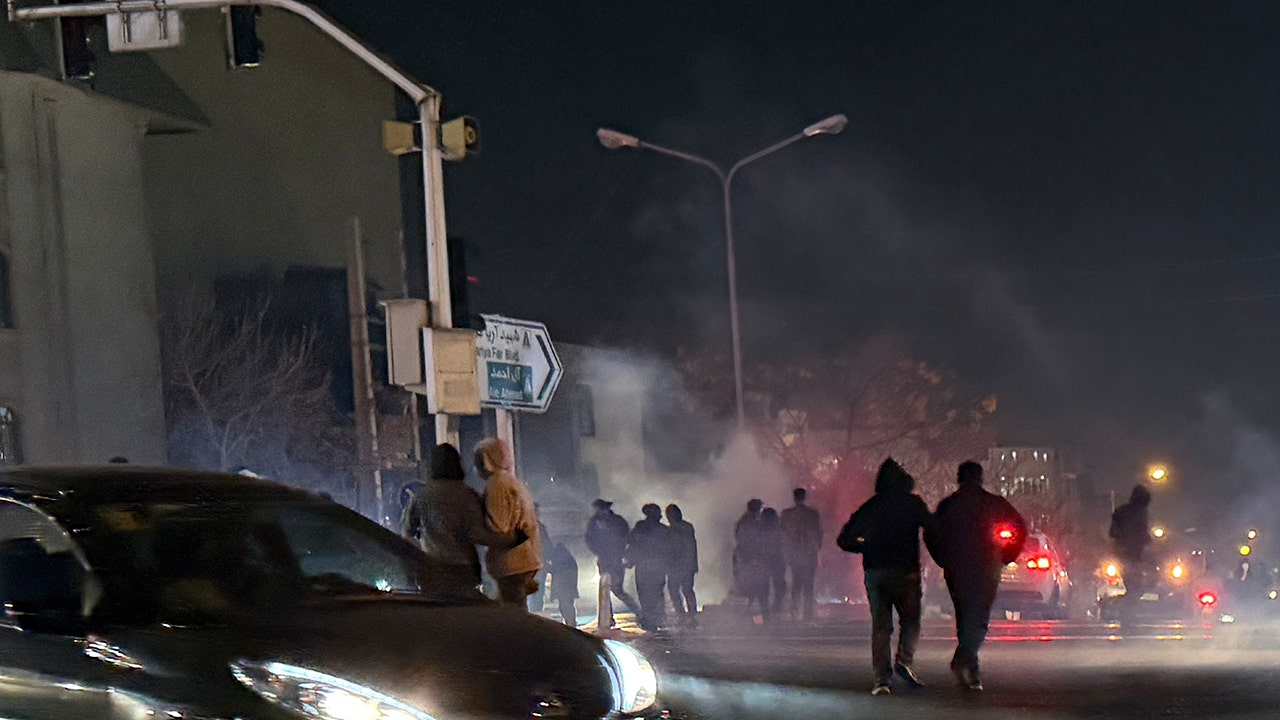
In the shadow of Iran's towering minarets and bustling bazaars, a new wave of civil unrest has gripped the nation since early January 2026. Protests that erupted on January 1 against Supreme Leader Ayatollah Ali Khamenei have drawn explicit parallels to landmark moments in Iranian history, such as the 1979 Islamic Revolution and the 2009 Green Movement. Demonstrators are not merely voicing economic grievances or demanding reform; they are invoking the ghosts of past uprisings, repurposing slogans and symbols to frame the current crisis as a continuation of a long-suppressed struggle for freedom. This historical resonance has amplified global attention, turning local dissent into a trending international narrative.
Historical Reflections: The Legacy of Protest in Iran
Iran's history is a tapestry woven with threads of rebellion. The 1979 Revolution, which toppled Shah Mohammad Reza Pahlavi's monarchy, began as widespread protests against authoritarianism, economic inequality, and Western influence. Fueled by religious fervor and leftist ideologies, it culminated in the establishment of the Islamic Republic under Ayatollah Ruhollah Khomeini. Decades later, the 2009 Green Movement protested alleged election fraud in favor of Mahmoud Ahmadinejad, with millions chanting "Where is my vote?" and waving green banners symbolizing hope and reform.
Today's protests, sparked on January 1, 2026, echo these events amid reports of fuel shortages, inflation, and repressive policies under Khamenei. By January 4, at least 16 deaths were reported in a government crackdown, mirroring the violent suppressions of past eras. Protesters have renamed a Tehran street after former U.S. President Donald Trump on January 7—a bold gesture signaling appeals for external support, reminiscent of how 1979 revolutionaries sought international solidarity. As demonstrations grew by January 9, observers noted the resurgence of 1979-era chants like "Death to the Dictator" and Green Movement symbols, such as the green wristbands, transforming spontaneous anger into a historically charged movement.
This legacy shapes protesters' narratives: the 1979 Revolution is recast not as a triumph but as a hijacked promise of justice, while the Green Movement's failure underscores the regime's resilience. These reflections provide a rhetorical framework, legitimizing current dissent by positioning it within a continuum of resistance.
The Role of Memory in Modern Protests
Collective memory acts as both fuel and blueprint for Iran's unrest. Protesters draw on oral histories, smuggled videos, and family lore from 1979 and 2009 to sustain momentum. Slogans like "Woman, Life, Freedom"—evolving from Green Movement cries—have resurfaced, now layered with references to past martyrs. Symbols, too, are potent: the V-for-victory hand gesture from 2009 greens reappears alongside pre-1979 imperial lions, signaling a rejection of the Islamic Republic's foundational myths.
Posts found on X highlight this nostalgia. Former President Trump has historically amplified Iranian protests, tweeting in 2017, 2019, and 2020 about internet shutdowns and violence during past unrest, framing the regime as unstable. These echoes resonate today, with users drawing parallels to current blackouts. The memory of suppressed uprisings fosters resilience; as one Iranian-American advocate told CNN, "How can we trust a regime that massacres its own people?" This invocation of history not only unites generations but also counters regime propaganda, which has aired 97 alleged "coercive confessions" to discredit dissenters.
International Responses: Then and Now
Global reactions to Iran's protests have evolved, reflecting shifting geopolitics. In 1979, Western powers were caught off-guard, with the U.S. under Jimmy Carter imposing sanctions but failing to prevent the hostage crisis. The Green Movement saw muted Obama-era responses, prioritizing nuclear talks over human rights.
Contrast this with 2026: Trump, out of office but influential, claimed on January 14 he was "told on good authority" that protester killings have "stopped" and no executions are planned, citing mounting pressure. France has condemned the crackdown and is weighing satellite internet aid amid a "North Korea-style" blackout. These statements pressure Tehran, differing from past hesitancy. Historically, foreign involvement—like U.S. support for the Shah—backfired; today, vocal endorsements risk similar accusations of interference, yet they embolden protesters who renamed streets for Trump.
Technological Evolution: From Past to Present
Protests in Iran have always adapted to communication barriers, but technology marks a seismic shift. In 1979, cassettes of Khomeini's sermons spread dissent; the Green Movement relied on SMS and early social media before blackouts. Now, a record-breaking internet shutdown—likened to North Korea's—has prompted innovation.
Elon Musk's SpaceX has made Starlink available for free in Iran, bypassing regime controls and enabling real-time video of clashes. Social media explodes with AI-generated fakes and dated pro-regime rally images, as debunked by France 24, underscoring digital warfare. X posts from Musk on Starlink's role in crises (e.g., U.S. air traffic) indirectly spotlight its Iranian impact. This evolution democratizes information, allowing global audiences to witness "gruesome" realities described by exiled journalists, unlike the opacity of past eras.
Looking Ahead: What This Means for Iran's Future
Historical patterns offer clues to outcomes. The 1979 Revolution succeeded through unified opposition; the Green Movement faltered under fragmentation and crackdowns. Current protests feel "different," per analysts, with broader participation and tech-enabled persistence, but regime change remains uncertain.
Government responses may mirror precedents: expect intensified blackouts, coerced confessions, and selective violence, though Trump's claims suggest a tactical pause in killings. International pressure—U.S. rhetoric, French tech aid—could sustain momentum, but risks provoking hardliners. Domestically, economic woes and Khamenei's age (87) heighten reform prospects, yet the Islamic Revolutionary Guard Corps' loyalty bodes ill for swift change.
A sustained movement might force concessions, like eased restrictions, echoing post-Green Movement tweaks. Violent crackdown remains likely, per 1979's playbook, potentially radicalizing youth. Optimistically, Starlink and historical memory could tip toward a "new chapter"—not revolution, but erosion of theocracy. Watch for February milestones: anniversaries amplify symbolism, and U.S. policy under a potential Trump return could escalate stakes.
This unrest, steeped in history, tests whether Iran's past will repeat or rewrite itself.
(Word count: 1,028)
Trending report
Why this topic is accelerating
This report format is intended to explain why attention is building around a story and which related dashboards or live feeds should be watched next.
Momentum driver
Iran
Best next step
Use the related dashboards below to keep tracking the story as it develops.
Track this story live
Original Sources
- •
- •
- •
- •
- •
- •
- •
- •
- •
- •
Editorial process: This article was synthesized from the original sources cited above using The World Now's AI editorial system, with byline accountability from our editorial team. We grade every story for source grounding, factual coherence, and on-topic match before publication. Read more about our editorial standards and contributors. Spot something inaccurate? Let us know.
Last updated: March 8, 2026