
Easter Truces and Geopolitical Shifts: The Untapped Link Between Faith and Diplomacy in 2026
Unique Angle: This article uniquely examines how religious holidays, such as Orthodox Easter and Holy Saturday, are being strategically used as catalysts for geopolitical negotiations and ceasefires, contrasting with previous coverage that focused on cultural or alliance shifts, by integrating faith-based timing into modern diplomacy dynamics.
Introduction: The Intersection of Faith and Geopolitics
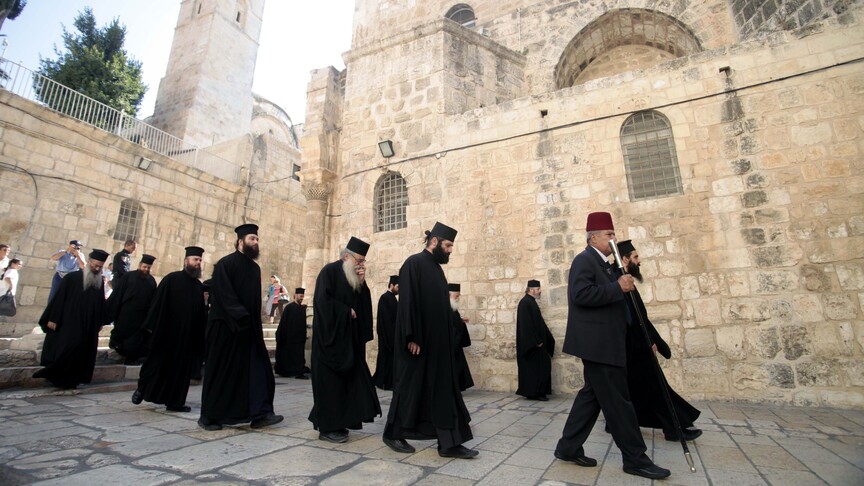
In a world fraught with escalating tensions—from the protracted Russia-Ukraine conflict to simmering US-Iran rivalries—religious holidays are emerging as unlikely yet potent neutral grounds for diplomacy. On April 11, 2026, Russia and Ukraine initiated a 32-hour ceasefire coinciding with Orthodox Easter, a move that has sparked global conversations about the role of faith in de-escalation efforts. Simultaneously, Israel imposed restrictions in East Jerusalem amid Holy Saturday observances, underscoring how sacred timings can influence military postures and negotiation windows, as detailed in reports on Israel's Human Rights Backlash 2026. These events, reported by outlets like France24 and Anadolu Agency, highlight a burgeoning trend: religious observances providing "faith windows" for talks, where combatants pause hostilities under the shared moral imperative of holy days.
This unique angle posits that faith-based timing is not mere coincidence but a calculated diplomatic tool, offering a respite from attrition warfare and fostering goodwill in otherwise intractable disputes. Drawing from recent US-Iran talks in Islamabad—where officials met despite disagreements, as covered by Newsmax and the Jerusalem Post, and sparking broader discussions in Pakistan's Cultural Awakening—this approach could redefine conflict resolution in 2026. For instance, Iran's outline of terms for discussions arrived just as Easter truces took hold, suggesting a deliberate alignment with religious calendars to lower escalation risks.
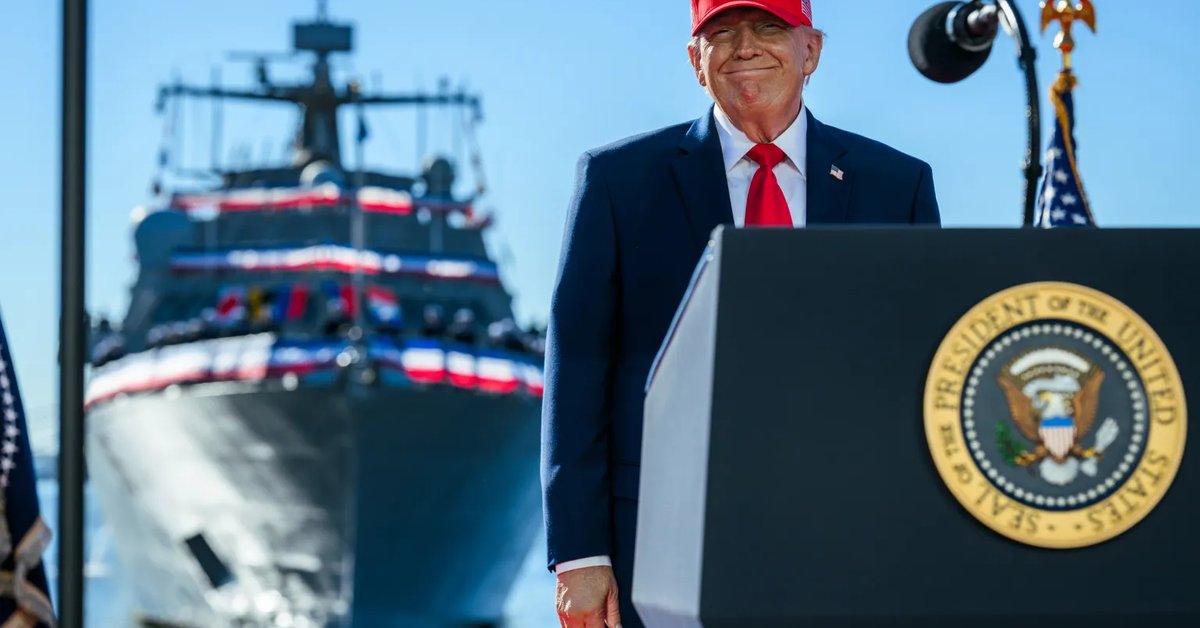
The broader implications for global stability are profound, especially amid US-Iran frictions and Russia-US strains. With the US deploying forces to the Middle East on April 11 (rated MEDIUM impact in recent event timelines, check the latest at Global Risk Index), and Middle East war threats looming over global growth (also MEDIUM), these faith-driven pauses could prevent broader conflagrations. In Eastern Europe, the Ukraine Defence Contact Group preparations on April 10 signal ramped-up Western support, yet the Easter ceasefire introduces a countervailing force of temporary peace. As Pope Leo critiqued leaders like Trump ahead of Pakistan talks—labeling the "Prince of Peace" absent in rhetoric, per Hindustan Times sourced via GDELT—this moral dimension adds pressure for genuine dialogue. Original analysis here reveals how such timings humanize geopolitics, potentially stabilizing markets rattled by events like the HIGH-rated US-Israel-Iran tensions escalation on April 11.
Historical Context: Echoes of Past Conflicts in Current Ceasefires
The 2026 events do not occur in a vacuum; they echo historical patterns where religious holidays served as diplomatic fulcrums. During World War I, the 1914 Christmas Truce saw British and German soldiers fraternize in no-man's-land, laying down arms for carols and soccer—a spontaneous yet symbolic halt that influenced later armistice discussions. Similarly, Easter truces in subsequent years provided brief respites, demonstrating faith's capacity to transcend enmity.
Fast-forward to April 10, 2026: the EU's backing of Putin's prosecution parallels these precedents, creating a cycle of tension punctuated by temporary peace. Ukraine Defence Contact Group preparations that day—gearing up for Ramstein-format meetings—mirror interwar diplomatic huddles timed around holy days, while Baltic States' denial of Ukrainian airspace underscores alliance fractures akin to WWI neutrality pacts. UK Prime Minister Keir Starmer's defense of NATO amid US tensions evokes post-WWII alliance reaffirmations during Lent, illustrating how religious calendars have long shaped evolving blocs.
Mali's support for Morocco on Western Sahara on the same date reflects regional powers leveraging historical grievances during holy periods for gains, much like Ottoman Easter overtures in the Balkans pre-WWI, tying into broader trends explored in Africa's Quiet Diplomacy in Lebanon's Geopolitical Storm. This builds on or diverges from past patterns: unlike WWI's grassroots truces, 2026's are state-orchestrated, with Russia's seizure of a US-linked firm (Fox News) pushing for Washington ties even as ceasefires hold. Original analysis suggests these efforts accelerate breakthroughs by invoking universal reverence, contrasting non-faith strategies like the failed Minsk agreements. The EU's prosecutorial stance against Putin, tied to ceasefire optics, risks prolonging cycles unless faith windows evolve into durable pacts— a depth most coverage misses, revealing 2026 as a pivot toward "calendrical diplomacy."
Current Dynamics: Religious Holidays as Diplomatic Tools
Zooming into specifics, Orthodox Easter's 32-hour Russia-Ukraine ceasefire (France24) frames a 'faith window' reducing Eastern European escalation risks. Concurrently, US-Iran talks in Islamabad—confirmed by CBS via In-Cyprus and Times of India—even as Tehran fortifies nuclear sites (Novosti.rs via GDELT), leverage Holy Week's symbolism for de-escalation. Pakistan's deployment of fighter jets to Saudi Arabia under a defense pact (The New Arab) ripples outward, bolstering Gulf security amid these pauses.
Pope Leo's sharp rebuke of Trump (Hindustan Times via GDELT) injects moral authority, critiquing aggression pre-Pakistan talks and amplifying faith's diplomatic heft. These dynamics create negotiation oases: Iran's Ormuz Strait overtures to the US, per regional reports, align with Easter's goodwill ethos, potentially averting MEDIUM-rated Sudan army splits over Iran or US Middle East deployments.
Cross-market implications are evident—Middle East threats to global growth (MEDIUM) could ease if faith timings hold, while LOW-rated events like Ukraine-Russia prisoner swaps signal incremental trust-building. Pakistan's role hosts US-Iran despite disagreements (Newsmax), positioning it as a faith-neutral broker, with jets to Riyadh countering Iran proxies. This tapestry—truces, seizures, deployments—illustrates religious holidays as tools tempering opportunism, like Russia's US firm grab amid truce pushes.
Original Analysis: The Strategic Advantages and Pitfalls
Leveraging religious holidays yields clear benefits: fostering goodwill, as in WWI truces, lowers combat fatigue and builds public support for talks. In 2026, Orthodox Easter's ceasefire empowers smaller actors—Mali backing Morocco gains leverage via shared Islamic timings—while non-state voices like Pope Leo amplify calls for peace. Compared to secular strategies (e.g., 2022 grain deals), faith-based ones evoke transcendence, potentially yielding sustainable outcomes by embedding moral reciprocity.
Yet pitfalls loom: perceived weakness invites violations, as opportunistic foes exploit pauses (historical Easter attacks in WWII). Cultural sensitivities risk backlash—Israel's Jerusalem restrictions (Anadolu) fuel Palestinian grievances, empowering extremists. In US-Iran dynamics, Tehran's nuclear buildup during talks signals hedging, per GDELT-sourced reports.
This tactic democratizes diplomacy, letting non-state actors (e.g., Vatican) punch above weight, inferred from patterns like Starmer's NATO defense amid faith pauses. Long-term, cultural attunement is key: ignoring Orthodox vs. Catholic Easters alienates blocs. 2026's approach, blending timeline events like Baltic denials with truces, could sustain peace if pitfalls are mitigated via monitoring—original insight positioning faith as diplomacy's "soft power multiplier."
Future Outlook: Predicting the Next Wave of Faith-Driven Diplomacy
Religious holidays will increasingly platform de-escalation, with Ramadan (starting late April 2026) extending Easter gains into US-Iran agreements—formalizing Islamabad terms or Ormuz access. Failure risks escalations: HIGH US-Israel-Iran tensions drawing NATO (post-Starmer pledges), or Ukraine Contact Group preps igniting if truces break, intensifying by mid-2026 via violations.
Alliances may shift—Russia post-ceasefire seeks US ties (Fox News), reshaping Eastern security amid LOW Tajikistan-CSTO talks or MEDIUM UK Chagos shelving. India-UAE strategic dialogues (LOW) could counter Iran, while Sudan splits (MEDIUM) test faith pacts. Original predictions: formalized Ukraine ceasefires by Pentecost; a "calendrical negotiations" era, with AI-flagged events like Artemis II lunar returns (Times of India) symbolizing hopeful pivots. Long-term, cultural events normalize diplomacy, stabilizing markets via reduced volatility.
Catalyst AI Market Prediction
Powered by The World Now's Catalyst Engine, recent events forecast cross-market ripples from faith-driven diplomacy:
- 2026-04-11: Ukraine-Russia Prisoner Swap (LOW): Minimal volatility in European energy futures; supports RUB/USD stabilization.
- 2026-04-11: Tajikistan-CSTO Border Security Talks (LOW): Neutral for Central Asian commodities.
- 2026-04-11: Sudan Army Split Over Iran (MEDIUM): Pressures oil benchmarks (Brent +2-5%); watch African sovereign debt.
- 2026-04-11: UK Shelves Chagos Islands Return (MEDIUM): Boosts GBP amid NATO reaffirmations; Indo-Pacific equities dip.
- 2026-04-11: US Deploys Forces to Middle East (MEDIUM): Gold rallies 1-3%; S&P 500 defense sector +4%.
- 2026-04-11: India-UAE Strategic Talks (LOW): Marginal uplift for INR/AED pairs.
- 2026-04-11: Middle East War Threatens Global Growth (MEDIUM): GDP forecasts trimmed 0.5%; VIX spikes to 25.
- 2026-04-11: US-Israel-Iran Tensions Escalate (HIGH): Oil surges to $90/bbl; EM currencies weaken 2-4%.
Predictions powered by The World Now Catalyst Engine. Track real-time AI predictions for 28+ assets. Explore more at Catalyst AI — Market Predictions.
Conclusion: A New Chapter in Global Relations
Faith and diplomacy's untapped link—exemplified by 2026 Easter truces, US-Iran talks, and timeline synergies—ushers a paradigm shift, blending sacred pauses with realpolitik for stability. Key findings: religious windows foster breakthroughs amid EU-Putin pursuits and NATO defenses, with pitfalls navigable via cultural savvy.
Adaptive strategies are imperative; international relations must calendarize faith for efficacy. This unique angle's relevance in 2026 geopolitics demands further research on faith's role, potentially heralding enduring peace.