
Earthquake Japan: Magnitude 7.5 Quake Leads to Mega-Quake Risk Warnings
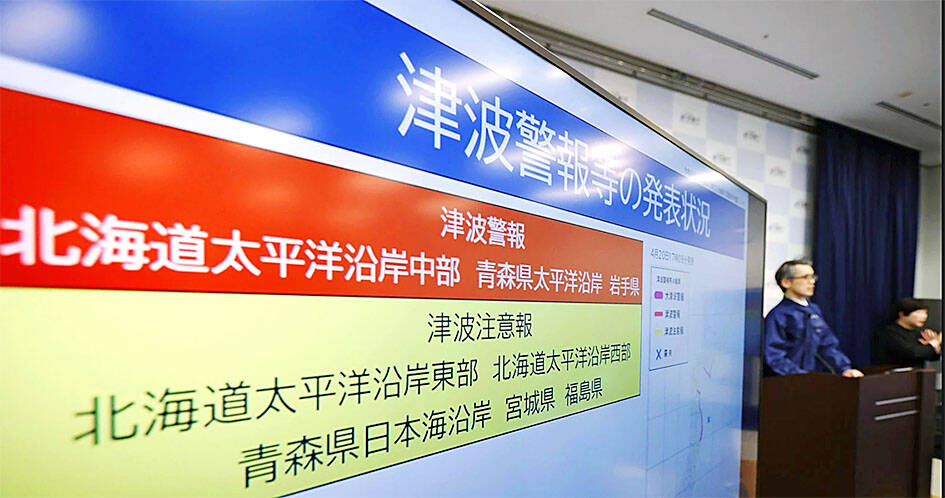
A magnitude 7.5 to 7.7 earthquake Japan faced has rattled the nation, with officials issuing warnings of a slightly increased risk for a potential mega-quake in the aftermath.[1][3] Tsunami warnings, initially triggered by the powerful tremor, have been downgraded as the situation stabilizes.[4][5] At least 40 Hong Kong tour groups in affected areas, including the northeast and Hokkaido, have been confirmed safe by tour operators.[3] The Japanese government continues to caution residents and visitors about the possibility of a larger earthquake, emphasizing vigilance amid ongoing seismic activity.[1][2][5]
The Earthquake Event
The earthquake Japan experienced struck off the country's northeast coast, registering between a magnitude 7.5 and 7.7 according to various reports.[3][5] This powerful tremor, which occurred on April 20, prompted immediate alerts across the region, highlighting Japan's vulnerability to seismic events in tectonically active zones.[3] Eyewitness accounts and initial assessments described the shaking as intense, leading to widespread tsunami warnings shortly after the event.[5] The magnitude, cited as 7.5 in some updates and 7.7 in others, underscores the variability in preliminary measurements common in the immediate aftermath of such quakes.[1][3] Official monitoring stations quickly registered the event, with data feeds confirming its offshore origin near areas prone to subduction zone activity.[3] The tremor’s impact extended to triggering automated alert systems, reflecting the scale of the event that necessitated rapid governmental response.[5] As details emerged, the focus shifted from the initial shaking to secondary risks, but the core event itself marked a significant seismic occurrence for the region.[3][5] Reports from the time, timestamped around midday UTC, captured the moment the ground moved dramatically, setting off a chain of safety measures.[5] This earthquake Japan endured serves as a reminder of the frequent high-magnitude events in its history, though specifics remain tied to the reported data.[3]
Official Warnings on Risks
Japanese authorities have explicitly warned of a slightly increased risk of a mega-quake following the recent 7.7-magnitude event, urging heightened preparedness.[1] Government statements emphasize that the powerful tremor has elevated the probability, albeit slightly, of an even larger earthquake in the near term.[2][5] This caution stems from assessments of aftershock patterns and regional stress accumulation, with officials advising against complacency.[1] The term "mega-quake" refers to the potential for an extraordinarily powerful event, and the warnings highlight how the recent shake could be a precursor.[2] Published updates around 15:00 UTC on April 20 detailed these concerns, framing them as a measured increase rather than an imminent threat.[2] The government's communication strategy focuses on public awareness, encouraging residents to review evacuation plans and secure homes.[5] Such advisories are not uncommon in Japan, given its position on the Pacific Ring of Fire, but the specificity following this earthquake Japan faced adds urgency.[1] Officials have reiterated that while the risk is elevated, it remains probabilistic, based on seismic data analysis post-tremor.[5] These warnings aim to balance reassurance with readiness, as the nation monitors for signs of escalation.[1][2]
Tsunami Alert Updates
Tsunami warnings issued after the powerful quake striking Japan have been progressively downgraded, easing immediate coastal threats.[4][5] Initial alerts covered areas like the northeast and Hokkaido, but updates confirmed the easing of these measures as wave heights proved lower than feared.[4] A key development came around 14:00 UTC on April 20, when Japan announced the relaxation of the tsunami alert, following real-time monitoring of sea levels.[4] Subsequent reports at 14:30 UTC further clarified that the tsunami warning had been fully downgraded, with no significant inundation reported.[5] This progression reflects efficient coordination between meteorological agencies and local governments, allowing for the lifting of evacuation orders in stages.[5] The initial trigger was the earthquake's offshore location, which raised fears of generated waves, but observations showed the risk dissipating quickly.[4] Authorities maintained vigilance, however, advising continued monitoring even after the downgrade.[5] These updates provide critical relief to coastal communities, enabling a return to normalcy while underscoring the rapid response capabilities in place.[4] The sequence—from alert issuance to downgrade—demonstrates the effectiveness of Japan's early warning systems in managing post-quake hazards.[5]
Impact on Travelers
Hong Kong travelers in Japan have been accounted for safely following the magnitude 7.5 quake, with 40 tour groups confirmed out of harm's way.[3] EGL Tours, a major operator, reported that all its customers in affected zones, including three groups in the northeast and four in Hokkaido—precisely the areas under initial tsunami alerts—remained unharmed.[3] Executive director Steve Huen Kwok-chuen provided reassurance, stating that the operator was actively tracking the situation for its clients.[3] The Hong Kong Immigration Department echoed this, noting close monitoring without reports of injuries or disruptions among nationals.[3] This earthquake Japan struck occurred on a Monday, catching many tour groups in vulnerable spots, yet swift communications ensured safety verifications.[3] The confirmation of all 40 groups safe alleviates concerns for families back home, particularly as the tremor triggered widespread alerts.[3] Tour operators like EGL maintained contact, leveraging on-ground staff to assess conditions and provide updates.[3] While broader travel impacts were not detailed, the focus on these groups highlights the interconnectedness of regional tourism and disaster response.[3] No casualties or stranding were noted among the Hong Kong visitors, allowing itineraries to proceed with caution.[3]
Latest Government Statements
The most recent government updates on the earthquake Japan event confirm the tsunami warning downgrade while reiterating cautions about megaquake risk.[5] Issued around 14:30 UTC on April 20, these statements provide a comprehensive snapshot: the tremor’s intensity has passed its peak threat for tsunamis, but seismic monitoring continues unabated.[5] Authorities emphasized that the megaquake risk, though slightly increased, warrants ongoing preparedness measures.[5] This balanced messaging aims to prevent panic while promoting resilience, with calls for residents to stay informed via official channels.[5] The update integrates both the positive—eased alerts—and the precautionary, framing the post-quake period as one of elevated watchfulness.[5] Government spokespeople have not specified timelines but stressed data-driven assessments from the recent powerful event.[5] These statements build on earlier warnings, consolidating information for public consumption.[5] As the situation evolves, the focus remains on transparency and safety protocols.[5]
What to watch next: Officials continue to monitor for aftershocks and any signs of escalating megaquake risk, with further tsunami updates possible if seismic activity persists.[1][2][5]






