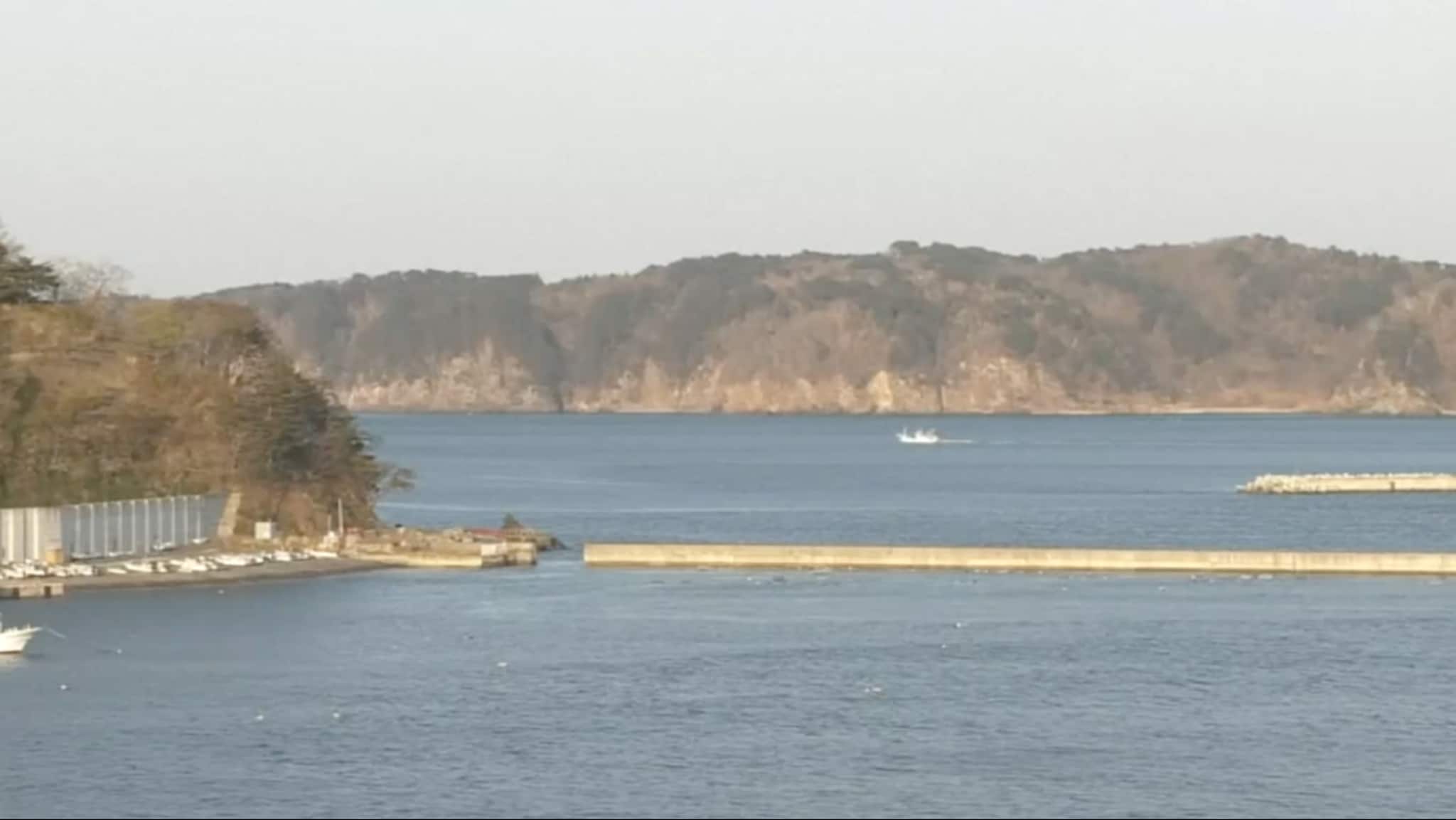

Earthquake Japan: 7.4-Magnitude Quake Strikes Off Coast with Tsunami Warning Issued
A 7.4-magnitude earthquake struck off the coast of Japan, prompting a tsunami warning for several northeastern prefectures.[1][2] The event, which occurred in a seismically active region, has led to observations of tsunami waves along the east coast and urgent calls for evacuation.[3][4] This earthquake Japan incident underscores the ongoing vulnerability of Japan's coastal areas to such natural disasters, with authorities emphasizing the need for immediate action as waves continue to pose risks.[2]
Earthquake Overview
The earthquake, registering a magnitude of 7.4, struck off the coast of Japan in the northeast, marking it as a major seismic event.[1][2][5] According to reports, the epicenter was located approximately 100 km east-northeast of Miyako, a coastal city in Iwate Prefecture, placing it in the Pacific Ocean offshore from the Sanriku Coast.[2][5] This positioning is significant, as the Sanriku region has historically been prone to powerful quakes due to its location along the subduction zone where the Pacific Plate interacts with the North American Plate, though the immediate sources focus on the precise coordinates and depth for this specific occurrence.[2][5]
The depth of the quake varied slightly in preliminary assessments, reported at 10 km by some accounts and 35 km by others, indicating a shallow to intermediate event that can amplify surface shaking and tsunami generation.[2][5] A magnitude of 7.4 classifies it as a major earthquake capable of causing serious damage in populated areas, particularly given its offshore location near densely inhabited prefectures.[1][5] The U.S. Geological Survey (USGS) confirmed the magnitude as M7.4 with the epicenter 100 km ENE of Miyako, providing a key reference point for global monitoring efforts.[5] Japan's meteorological agencies and news outlets quickly corroborated these details, highlighting the quake's intensity at the moment it struck.[1][2]
This overview aligns with standard seismic reporting protocols, where initial magnitudes are preliminary but rapidly updated; here, the consistency across sources at 7.4 underscores the event's scale.[1][2][5] The offshore nature off northeast Japan reduces direct structural impacts on land compared to inland quakes, but it heightens tsunami risks, a pattern seen in similar events from the region.[2] Detailed analysis of the epicenter's proximity to Miyako—about 100 km away—suggests potential for felt shaking across Iwate and neighboring areas, prompting widespread alerts.[5] Overall, these core details paint a picture of a potent earthquake Japan event with immediate implications for coastal safety.[2][5]
Tsunami Warnings and Observations
Tsunami warnings were promptly issued following the 7.4-magnitude quake, targeting areas expecting waves up to 3 meters in height.[2][4] Japan's meteorological authorities, via reports from NHK and Reuters, specified waves as high as three meters for the warned regions, with advisories noting that such heights could lead to significant inundation in low-lying coastal zones.[2][4] Observations confirmed the arrival of tsunami waves, with a 3-meter-high tsunami reported along Japan's east coast and offshore areas.[3][4]
These warnings were not precautionary alone; actual tsunami activity was observed, as kringkasters and international monitors noted waves approaching and impacting the coastline.[3][4] The Japan News and other outlets detailed how the shallow depth of the quake—around 10 km—facilitated rapid tsunami propagation from the epicenter off the Sanriku Coast.[2] Sources emphasized that waves were already nearing coastal areas, with potential for repeated strikes, a critical factor in tsunami dynamics where initial surges can be followed by larger or successive waves.[2][4]
The observation of a 3-meter tsunami on the east coast validates the warning's urgency, as such heights exceed typical thresholds for major inundation risks.[3] Reports from NRK, citing Reuters and JMA, confirmed the tsunami's detection offshore Japan, aligning with the expected 3-meter maximum from official forecasts.[4] This combination of warnings and real-time observations reflects Japan's advanced early-warning system, which activated swiftly post-quake to disseminate height estimates and arrival predictions.[2][4] The focus on 3-meter waves across multiple sources indicates a consensus on the threat level, urging preparedness for impacts that could disrupt infrastructure, fisheries, and communities along the affected shores.[3][4]
Affected Regions
The tsunami warnings specifically targeted Hokkaido, Iwate, and Aomori prefectures, encompassing key coastal stretches in northern and northeastern Japan.[2][4] Iwate Prefecture, home to the Sanriku Coast near the epicenter, faces direct exposure, with its rugged shoreline and fishing ports vulnerable to wave impacts.[2] Hokkaido's northern coasts and Aomori's eastern edges were also included, broadening the alert zone to cover over 1,000 kilometers of coastline potentially in harm's way.[4]
These prefectures represent a mix of urban centers, rural communities, and critical infrastructure, with Iwate's proximity to Miyako—100 km from the epicenter—placing it at the forefront.[2][5] Reports highlighted that waves could strike these areas immediately, affecting ports, beaches, and low-elevation zones.[4] The inclusion of Hokkaido extends the risk northward, where colder waters might modulate wave behavior but not eliminate threats.[2][4] Aomori's designation in warnings from JMA underscores the tsunami's potential reach, as modeled from the offshore epicenter.[4]
Coastal areas in these regions, already on alert due to the earthquake's shaking, now contend with confirmed wave observations east of Japan.[3][4] This targeted specification allows for focused evacuations, protecting populations in tsunami-prone bays and inlets characteristic of the Sanriku region.[2] The affected zones' alignment with the quake's northeast location ensures comprehensive coverage, minimizing blind spots in the response.[2][4]
Official Responses
Authorities responded decisively, advising residents in warned areas to evacuate immediately to higher ground.[2][4] Japan's Meteorological Agency (JMA) and NHK broadcasters urged those in exposed coastal zones to move uphill without delay, emphasizing that tsunami waves could arrive suddenly and strike repeatedly.[2][4] This guidance, rooted in post-quake protocols, aims to prevent loss of life by prioritizing elevation over other preparations.[4]
The advisories stressed the repetitive nature of tsunamis, where initial waves might recede only for stronger ones to follow, a detail drawn from real-time assessments.[2] Evacuation calls were broadcast widely, with NHK reporting imminent coastal hits, prompting organized movements in Iwate, Aomori, and Hokkaido.[4] JMA's direct plea for immediate action to high ground reflects standard procedure for shallow offshore quakes of this magnitude, ensuring rapid depopulation of flood-prone areas.[2][4]
These responses demonstrate coordinated efforts between meteorological bodies, media, and local governments, with warnings issued in the critical minutes post-4:53 p.m. quake.[2] The focus on evacuation as the primary measure aligns with Japan's world-leading disaster readiness, honed by past events, though sources here center on the immediate directives.[4]
Event Timeline
The sequence began with the magnitude-7.4 earthquake striking at 4:53 p.m. on Monday, with its epicenter off the Sanriku Coast at a depth of 10 km.[2] Within moments, tsunami warnings were activated for Hokkaido and Iwate prefectures, later expanded to include Aomori, forecasting waves up to 3 meters.[2][4] Authorities noted waves approaching coastal areas almost immediately thereafter, with observations confirming tsunami activity along the east coast shortly following.[2][3][4]
This rapid timeline—from quake onset to warning issuance—highlights the efficiency of Japan's seismic network, detecting the event and modeling tsunami risks in under an hour.[2] By the time reports circulated, waves were en route, prompting evacuation advisories as the primary follow-up measure.[2][4] The progression underscores how shallow quakes enable quick tsunami onset, with repeated waves anticipated into the evening and beyond.[2]
What to watch next: Monitor ongoing tsunami observations and wave arrivals in Hokkaido, Iwate, and Aomori, as authorities warn of potential repeated strikes, with evacuation efforts continuing amid confirmed coastal impacts.[2][4]