
Drone Warfare in DRC: How It's Eroding Humanitarian Safe Havens in Eastern Congo
By David Okafor, Breaking News Editor and Conflict/Crisis Analyst, The World Now
March 11, 2026
Introduction to the Escalating Crisis
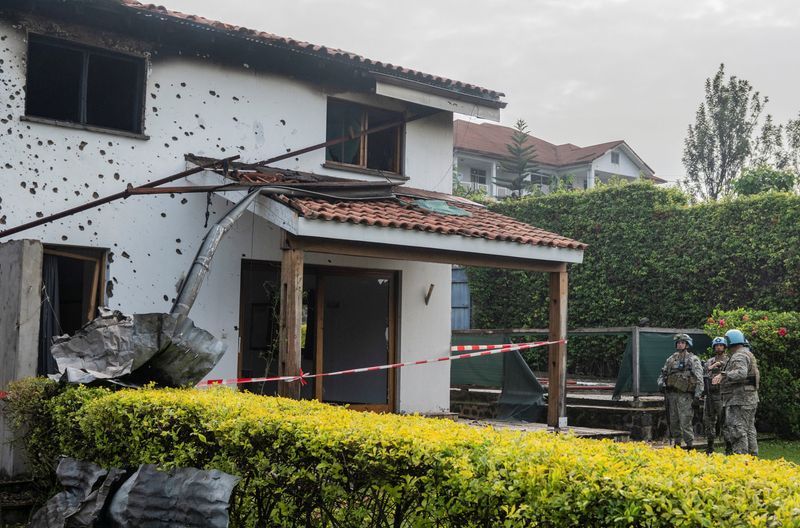
In eastern Democratic Republic of Congo (DRC), a drone strike on March 11, 2026, in rebel-held Goma killed a French aid worker, a UN staffer, and a local civilian. Attributed to DRC government forces by M23 rebels, this attack disrupts humanitarian safe zones and aid networks for over 1.7 million displaced people in North Kivu, highlighting the growing threat of drone warfare in conflict zones.
Current Situation and Humanitarian Impact
The March 11 strike hit a displacement camp near Goma's airport, halting aid deliveries and forcing thousands to flee. Reports from The Star Malaysia, Al Jazeera, and The Guardian confirm three deaths, with M23 blaming DRC forces. This escalation endangers civilians, as aid groups like MSF and WFP suspend operations, worsening the crisis for displaced populations in eastern Congo.
Future Outlook and Potential Escalations
Looking ahead, UN debates and potential sanctions could intensify, but drone proliferation risks broader instability. With refugee outflows projected at 500,000 by Q3 2026, restoring safe zones and aid corridors is urgent to prevent famine and cross-border conflicts in the region.
Conclusion and Call to Action
This incident underscores the need for global action to protect aid workers and enforce no-fly zones, ensuring peace talks address drone misuse and support community resilience in DRC.