
Drone Strikes in DRC: Impact on Children's Rights and Aid Efforts
By David Okafor, Breaking News Editor and Conflict/Crisis Analyst, The World Now
Goma, DRC – March 12, 2026
Introduction
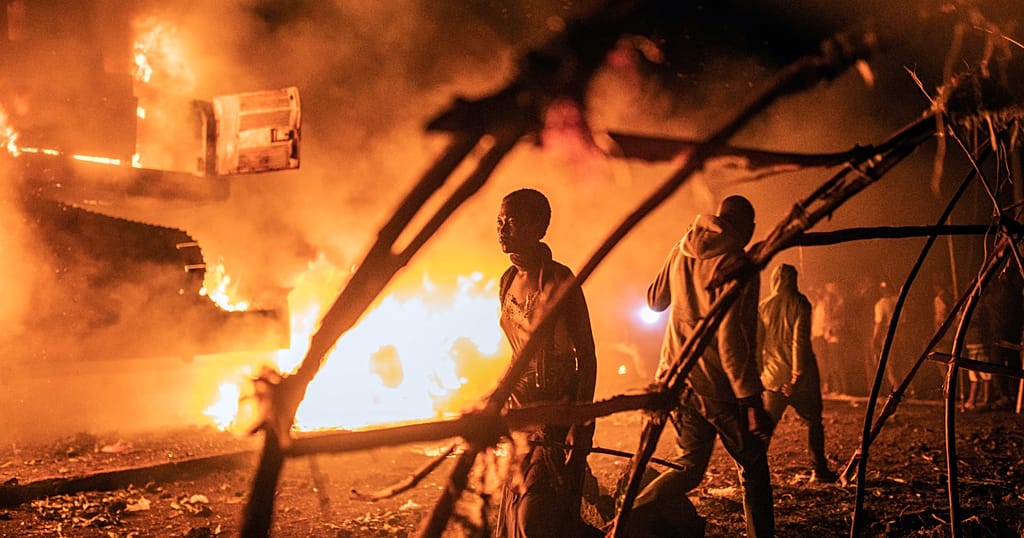
In the early hours of March 11, 2026, a drone strike in Goma, eastern Democratic Republic of Congo (DRC), killed three civilians, including a UNICEF worker focused on child protection. Attributed to the DRC government by M23 rebels, the attack has drawn UN condemnations and highlights the severe toll on children's rights and global aid in conflict zones. This incident, amid ongoing violence, disrupts humanitarian efforts and endangers millions of displaced children.
The Current Crisis and Historical Context
The Goma strike occurs amid escalating clashes between M23 rebels and DRC forces, with rebels accusing the government of civilian targeting. UN Secretary-General António Guterres called it a 'grave violation,' urging investigations as aid deliveries drop 40% in child-focused programs. Historically, drone strikes in eastern DRC have surged 300% since late 2025, displacing 200,000 more and disproportionately affecting children, who make up 60% of the 7.3 million displaced. Patterns of retaliation, like the January 2026 Rutshuru funerals, perpetuate cycles of violence and erode protections for vulnerable youth.
Looking Ahead: Implications and Prevention
Without intervention, drone strikes could escalate, potentially leading to UN sanctions or expanded peacekeeping. This might spillover into neighboring countries, increasing child soldier recruitment by 25% and derailing peace talks. Opportunities include implementing drone no-fly zones over IDP camps and prioritizing child-centric aid with armed escorts. Global action is essential to enforce accountability and safeguard children's rights, preventing further humanitarian crises in DRC.
Conclusion
The March 11 Goma drone strike underscores the urgent need to protect children's rights and aid efforts in DRC. By enhancing oversight, enforcing international laws, and amplifying global attention, we can break cycles of violence and support Congo's future.






