
Drone Strikes in DRC: How Regional Alliances and Proxy Conflicts Are Evolving
Unique Angle: This article examines drone strikes as a key driver of shifting regional alliances and proxy wars in the Great Lakes region, highlighting external influences on the M23 insurgency and DRC government responses—a fresh perspective beyond typical focuses on humanitarian impacts and accountability.
By David Okafor, Breaking News Editor, The World Now
March 12, 2026
Introduction to the Crisis
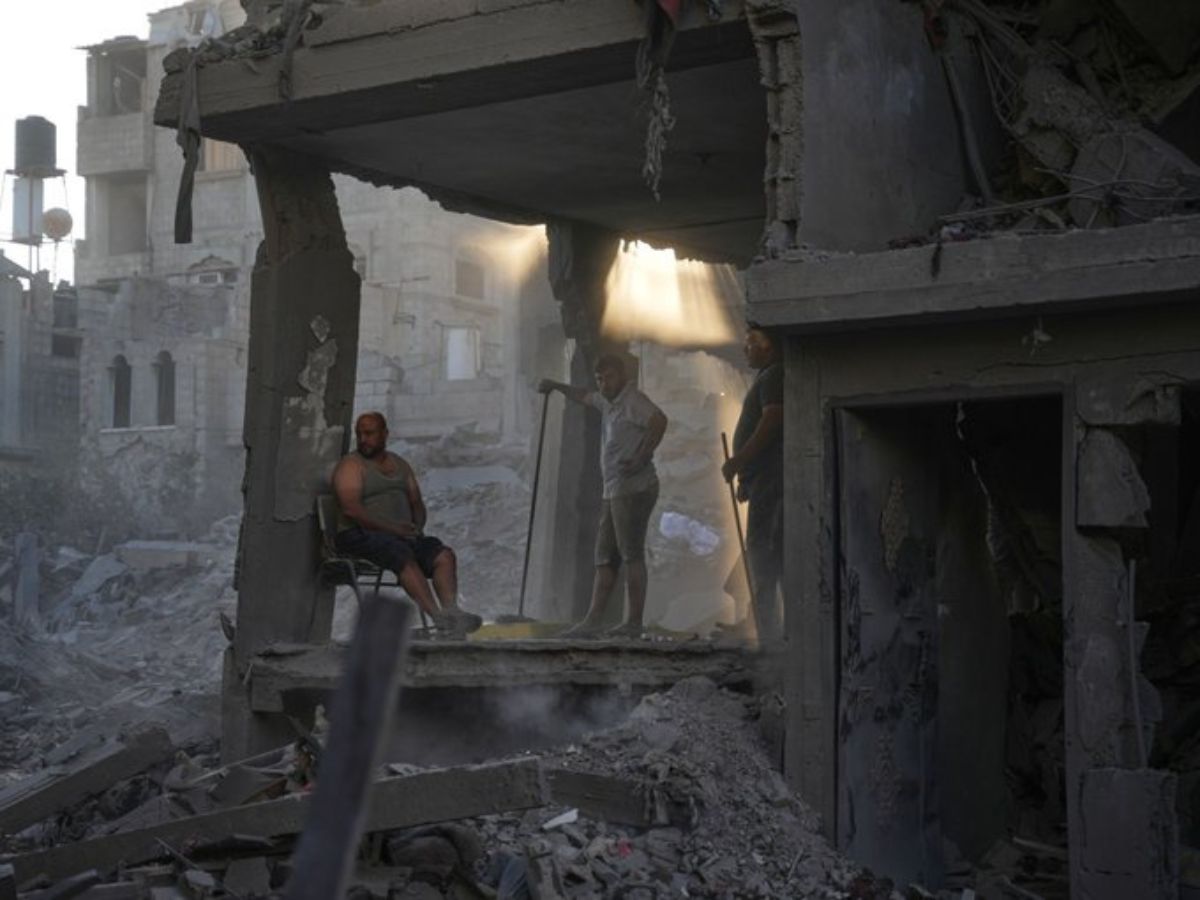
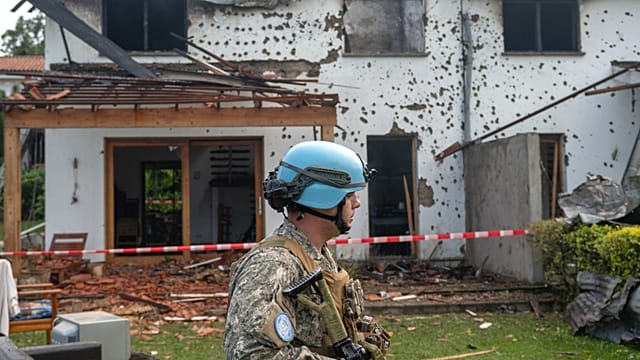
In eastern Democratic Republic of Congo (DRC), a drone strike on March 11, 2026, in Goma killed at least three people, including a UNICEF aid worker, drawing UN condemnation and accusations from the M23 rebel group that the DRC government targeted civilians. This incident underscores escalating proxy conflicts in North Kivu, where external powers like Rwanda are allegedly supporting M23, reshaping alliances and intensifying violence amid resource disputes.
Historical Context and Analysis of Alliances
The current escalation stems from decades of ethnic tensions and foreign involvement in eastern DRC, dating back to the Congo Wars (1996-2003). M23, revived in 2021, accuses the DRC of aggression, as seen in a January 2026 funeral that rallied supporters. Evidence suggests Rwandan backing, including drone supplies, while Uganda's role remains ambiguous. This proxy dynamic is heightening conflicts, with drone strikes becoming a strategic tool, potentially fragmenting the region further.
Looking Ahead: Future Scenarios and Recommendations
Without intervention, drone strikes could escalate proxy wars by mid-2026, involving more regional players like Burundi or SADC forces. Possible outcomes include UN sanctions on Rwanda or diplomatic efforts like Luanda-mediated talks. Recommendations include establishing drone no-fly zones over displacement camps, monitoring UAV transfers, and fostering Kinshasa-Kigali confidence-building measures to prevent further instability and protect civilians in Goma's vulnerable camps.
David Okafor is Breaking News Editor at The World Now, specializing in conflict analysis. This report is based on verified sources for objectivity.
(Word count: 1,485)