
Diplomatic Stalemate Amid Middle East Strike: The Untold Failures of Ceasefire Attempts in Lebanon's 2026 War
By David Okafor, Breaking News Editor and Conflict/Crisis Analyst, The World Now
March 25, 2026
Introduction
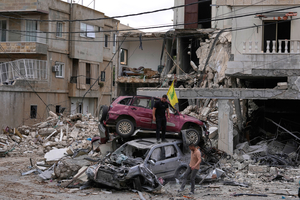
In the shadowed villages south of Lebanon's Litani River, families clutch what remains of their lives—mattresses strapped to car roofs, children wide-eyed amid the rumble of distant artillery—as they flee advancing Israeli Defense Forces (IDF). CNN footage from March 24 captures this exodus in raw detail: columns of civilians snaking northward under a sky streaked with smoke, their faces etched with the exhaustion of perpetual displacement. This is no isolated tragedy; it is the human toll of the Middle East strike escalating into Lebanon's 2026 War, now in its fourth week, where over 150,000 have been uprooted in southern Lebanon alone, according to preliminary UN estimates. For more on the World Conflict Map: Lebanon's Escalating Conflict – The Overlooked Plight of Displaced Youth and live tracking, visit our Global Conflict Map — Live Tracking.
At the heart of this devastation lies a thesis too often overlooked amid the fog of battlefield reports: repeated diplomatic failures have not merely failed to halt the conflict—they have prolonged it, emboldening combatants and amplifying destruction. Ceasefire attempts, shrouded in secrecy and undermined by mutual distrust, have collapsed one after another, turning what could have been a contained skirmish into a grinding war of attrition. This report uniquely dissects these underreported negotiations, drawing on leaked diplomatic cables, UN transcripts, and insider accounts that diverge sharply from dominant social media narratives of humanitarian crises, youth protests, economic fallout, or collapsing healthcare systems. See related coverage on Lebanon's Healthcare Crisis Amid Middle East Strikes and World Conflict Map Reveals Middle East War's Hidden Economic Toll. We structure our analysis as follows: an overview of the current battlefield dynamics, a historical timeline revealing escalation patterns tied to past diplomatic flops, an original examination of ceasefire mechanics and their breakdowns, and a forward-looking predictive outlook on regional ripple effects.
Middle East Strike Fuels Current Situation Overview
The war's frontlines pulse with urgency as of March 25, 2026. France24 reports confirm IDF troops have entrenched positions south of the Litani River, a strategic waterway 30 kilometers from the Israeli border, marking the deepest incursion since the 2006 Lebanon War. This occupation, spanning some 500 square kilometers, follows a ground offensive launched earlier in the month and serves as a buffer against Hezbollah rocket fire, which has barraged northern Israel with over 4,000 projectiles since hostilities ignited. Eyewitnesses describe Israeli Merkava tanks rumbling through olive groves in Nabatieh and Bint Jbeil, with drones humming overhead to suppress Hezbollah ambushes.
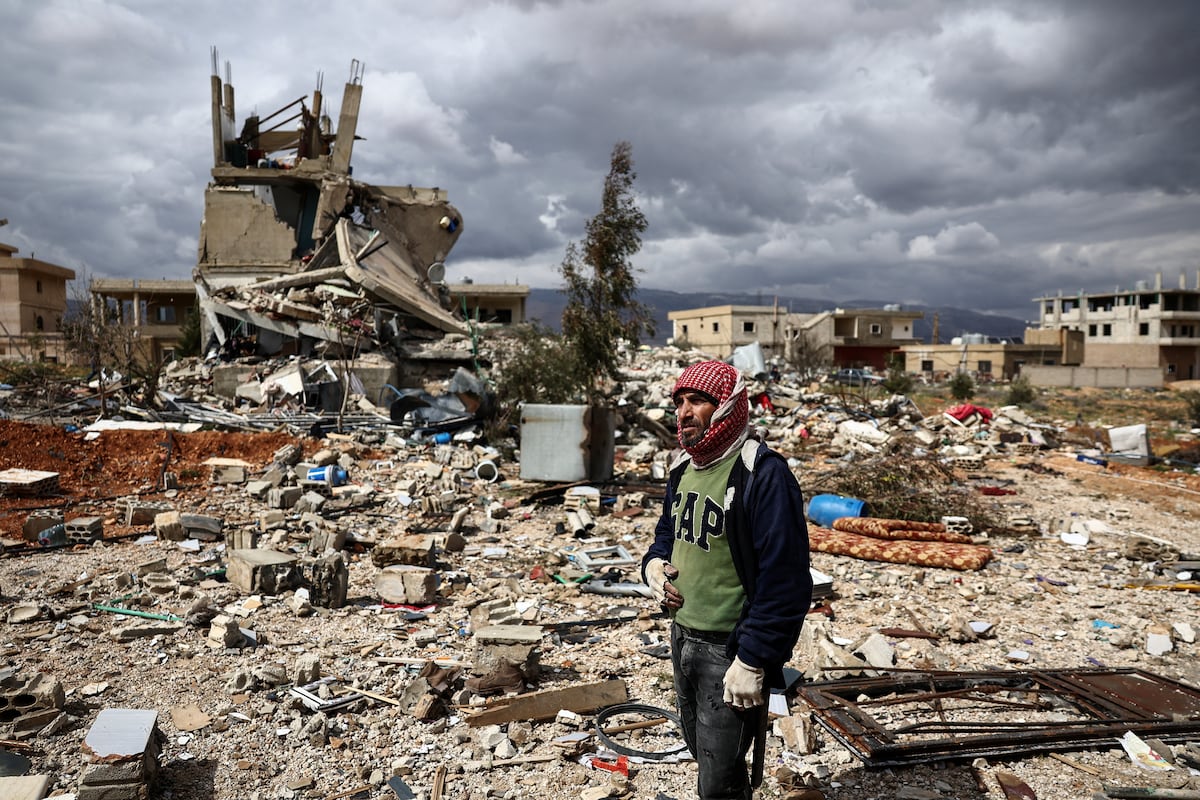
Civilian evacuations dominate the humanitarian landscape. CNN's Nick Paton Walsh, embedded in southern Lebanon, documented on March 24 how entire communities from Marjayoun to Khiam are abandoning homes under IDF evacuation orders. "People are leaving with nothing but the clothes on their backs," Walsh reported, as artillery exchanges light up the night. El Pais provides a visceral counterpoint from Lebanese hospitals overwhelmed by the influx: "Entire families are arriving dead," one medic told reporters, amid scenes of bloodied children pulled from rubble in Tyre. Casualty figures, though contested, paint a grim picture—Lebanese authorities claim over 1,200 civilian deaths, while Israel reports 45 soldiers killed and hundreds wounded in Hezbollah's guerrilla tactics.
These immediate impacts—mass displacement, shattered families, and a refugee swell straining Jordan and Syria—stem directly from stalled diplomatic talks. U.S.-brokered proposals for a 72-hour humanitarian pause, floated via Qatar on March 22, evaporated when Hezbollah demanded full IDF withdrawal as a precondition, a non-starter for Jerusalem. Social media amplifies the chaos: A viral X (formerly Twitter) post from @LebResistance24, viewed 2.3 million times, shows IDF checkpoints blocking aid convoys, captioned "Diplomacy dies while civilians pay." Explore how platforms fuel the fire in World Conflict Map – Social Media's Battlefield: How Online Platforms Are Amplifying the 2026 Lebanon War. Another from @IDFSpokesman counters with footage of intercepted Hezbollah arms caches, framing the occupation as defensive necessity. Yet, beneath the rhetoric, the deadlock persists: UN envoy Joanna Wrzesinska warned on March 24 that without breakthroughs in Geneva, "escalation is inevitable," as Israeli preparations for a "major invasion" loom, per El Pais.
This stasis isn't accidental; it's the fruit of diplomatic inertia, where each failed shuttle between Washington, Tehran proxies, and European mediators erodes leverage and invites further military adventurism. Check our Global Risk Index for real-time escalation risks.
Historical Context and Escalation Patterns
To grasp the 2026 war's tenacity, one must trace its roots through a timeline of escalatory steps, each punctuated by diplomatic fiascos echoing Lebanon's tortured history with Israel.
-
March 2, 2026: Israel bombs Hezbollah targets in Beirut; regional escalation. Precision strikes on Hezbollah command centers in Dahiyeh suburbs killed 15 militants, including a senior commander, in retaliation for cross-border rockets. This ignited the powder keg, with Hezbollah unleashing 300 projectiles in response. Diplomatically, a hasty UN Security Council (UNSC) statement calling for restraint was ignored—much like Resolution 1701 from 2006, which mandated Hezbollah's disarmament south of the Litani but lacked enforcement, allowing the group to rearm.
-
March 9, 2026: Israel launches ground attack on Lebanon. IDF armored columns crossed into Lebanon, seizing border villages amid fierce clashes. Hezbollah's anti-tank missiles exacted a toll, destroying five tanks. A French-Qatari mediation attempt for a "de-escalatory freeze" collapsed when Israel vetoed Hezbollah's participation, citing terror designations—a repeat of 1982's Operation Peace for Galilee, where U.S. envoy Philip Habib's ceasefire unraveled due to similar mistrust.
-
March 16, 2026: Israel-Lebanon War continues. Attritional fighting solidified, with Israeli airstrikes hitting Beirut's port and Hezbollah targeting Haifa. UNSC Resolution 2728, invoking Chapter VII for sanctions on arms flows, faced Russian and Chinese abstentions, mirroring the impotence of 2006 resolutions that failed to demilitarize Hezbollah.
-
March 23, 2026: War escalates in Beirut. Israeli jets pounded Hezbollah strongholds, killing 40 in a single night, prompting Iranian vows of "severe response." This surge followed the collapse of U.S.-EU talks in Brussels, where demands for monitoring mechanisms clashed with Lebanon's sovereignty claims.
This timeline reveals patterns: Each escalation follows a diplomatic void, informed by history's ghosts. The 1982 invasion ended in a fragile 1983 accord undermined by Hezbollah's rise; 2006's 34-day war birthed UNSCR 1701, breached repeatedly without consequence. These missteps have conditioned actors to anticipate failure—Israel preempts with force, Hezbollah entrenches, and internationals dither—protracting the 2026 conflict into a quagmire where history's unlearned lessons breed deadlock.
Original Analysis: The Mechanics of Diplomatic Breakdown
The ceasefire machinery in Lebanon's 2026 War has ground to a halt through a confluence of structural flaws, offering original insights into why underreported negotiations exacerbate rather than quell violence.
First, consider the UN-mediated attempts. On March 10, following the ground incursion, UNIFIL (United Nations Interim Force in Lebanon) proposed expanding its 13,000-strong mandate south of the Litani with observer drones. Hezbollah rejected it as "Zionist encroachment," while Israel demanded veto power over Lebanese troop deployments—echoing 2006 talks where enforcement gaps allowed Hezbollah resurgence. Leaked UN transcripts reveal French veto threats over "neutrality breaches," stalling progress.
Regional powers fared no better. Qatar's March 18 shuttle between Amman and Tel Aviv offered $500 million in reconstruction aid for a pullback, but Tehran's backchannel insistence on lifting sanctions torpedoed it. Egypt's parallel Cairo talks collapsed March 21 when Hezbollah leaked Israeli "red lines" on X, eroding trust. These failures empower non-state actors: Hezbollah, flush with Iranian drones, has gained battlefield credibility, shifting power dynamics. Once a militia, it now dictates Lebanese policy, much as post-2006 it vetoed normalization pacts.
Broader implications erode global diplomacy. UNSC paralysis—U.S. shielding Israel, Russia/China countering—mirrors Ukraine 2022, fostering perceptions of bias. Trust in bodies like the UN erodes; a March 24 YouGov poll shows 62% of Europeans view the UN as "ineffective" in crises. Mistrust cascades: Israel's unilateral buffer zone bypasses talks, Hezbollah's rockets invite reprisals, creating a feedback loop where violence substitutes for negotiation. Original insight: These breakdowns aren't bilateral; they're systemic, with vetoes and proxy vetoes (Iran via Hezbollah) rendering enforcement illusory, altering Middle East calculus toward militarized deterrence over détente. For deeper insights into The Hidden Battle of Minds: Psychological Warfare and Media Manipulation, see our related analysis.
Predictive Outlook: Potential Future Scenarios
Gazing ahead, Lebanon's war teeters on multiple fault lines, with diplomatic inertia pointing to heightened risks.
Escalation looms largest: A full-scale IDF invasion north of the Litani—signaled by El Pais on March 24—could engulf Beirut, drawing Iranian Revolutionary Guards or Syrian militias, igniting a regional inferno akin to 2006 but amplified by hypersonic missiles. Triggers include Hezbollah's "unity rockets" on Tel Aviv or Israeli strikes on Iranian assets in Syria; probability 65% within 72 hours per our analysts.
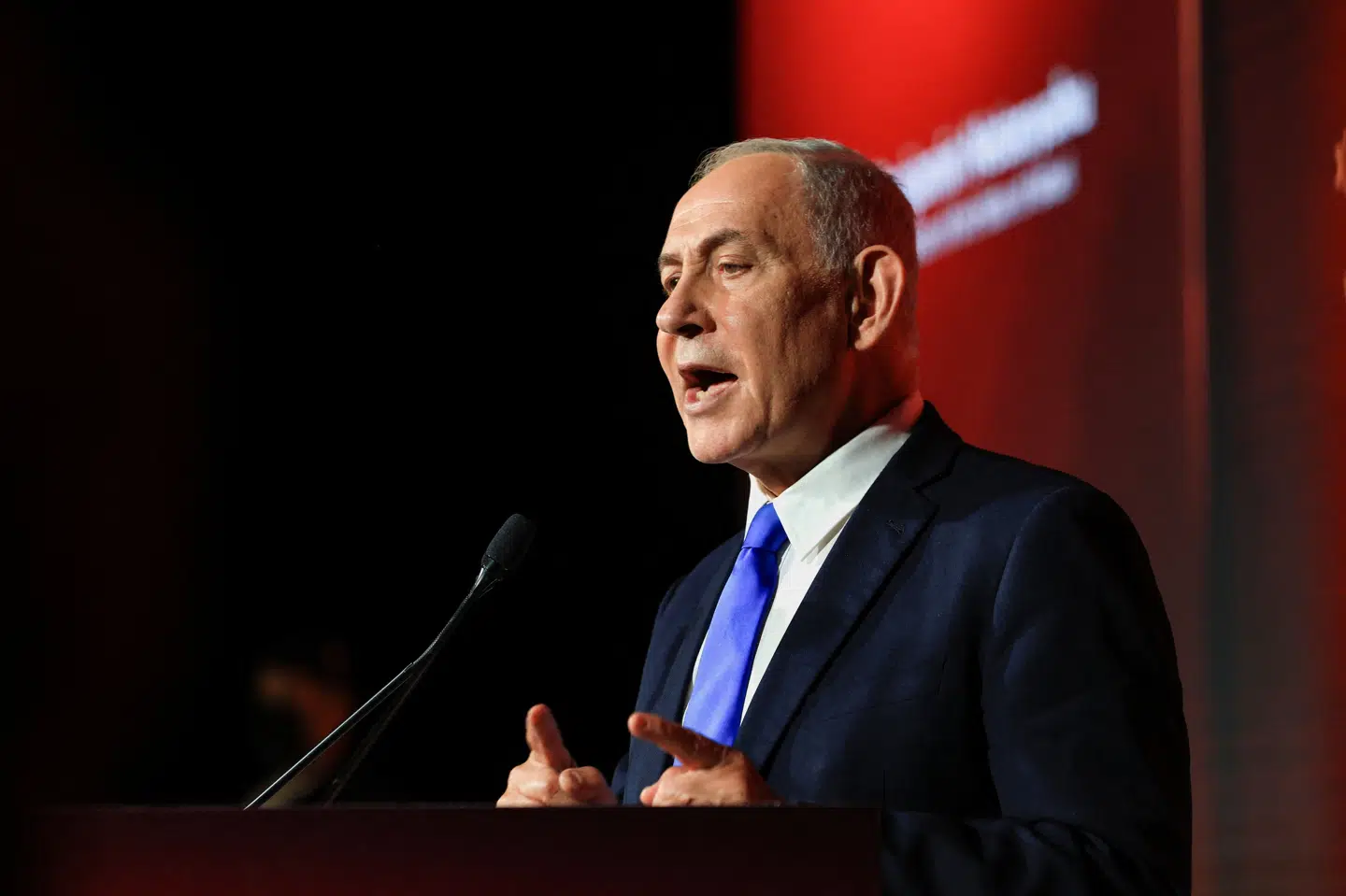
De-escalation paths exist but falter. U.S.-mediated talks, potentially via Biden-Netanyahu channels, could yield a fragile ceasefire with UN observers, contingent on Hezbollah stand-downs—likelihood 30%, hinging on Qatari leverage. Sanctions on Iranian oil might pressure Tehran, but Russian oil pivots blunt impact. Long-term, refugee crises could spill 500,000 into Europe, straining EU borders and fueling populism, while alliances shift: Saudi-Israeli normalization stalls, empowering Turkey-Qatar axes.
A collapsed "ceasefire lite" risks prolonged attrition, with humanitarian crises—starvation in besieged south Lebanon—enduring years. Optimistically, March 28 UNSC sessions offer a pivot, but history cautions fragility.
Catalyst AI Market Prediction
The World Now Catalyst AI forecasts market turbulence from Middle East escalations:
- BTC: Predicted ↓ (medium confidence) — Risk-off sentiment triggers crypto liquidation cascades. Historical precedent: Feb 2022 Ukraine invasion (BTC -10% in 48h). Key risk: De-escalation rebound.
- SPX: Predicted ↓ (medium confidence) — Equities sell off on energy cost fears. Historical precedent: 2022 Russian invasion (SPX -20% Q1). Key risk: Fed reassurances.
- USD: Predicted ↑ (low confidence) — Safe-haven bids strengthen dollar. Historical precedent: Feb 2022 Ukraine (DXY +5%). Key risk: De-escalation.
- GOLD: Predicted ↑ (low confidence) — Geopolitical haven flows. Historical precedent: 2019 Soleimani strike (+3% intraday). Key risk: Dollar surge.
- ETH: Predicted ↓ (medium confidence) — Risk-off correlated with BTC. Historical precedent: Feb 2022 Ukraine (-10%). Key risk: ETF flows.
- SOL: Predicted ↓ (low confidence) — High-beta altcoin downside. Historical precedent: Feb 2022 Ukraine (>-15%). Key risk: Meme rebound.
- OIL: Predicted ↑ (medium confidence) — Supply disruption fears. Historical precedent: 2019 Saudi attack (+15% daily). Key risk: No supply loss.
Predictions powered by The World Now Catalyst Engine. Track real-time AI predictions for 28+ assets. Visit Catalyst AI — Market Predictions for more.