
Devastating Ferry Sinkings: A Wake-Up Call for Maritime Regulations in the Philippines
Overview of the Tragedy
A ferry carrying over 350 passengers sank off the southern Philippines on January 26, 2026, killing at least 15-18 people and leaving dozens more missing. This incident highlights chronic maritime safety lapses amid a string of recent infrastructure disasters in the region.
Incident Details
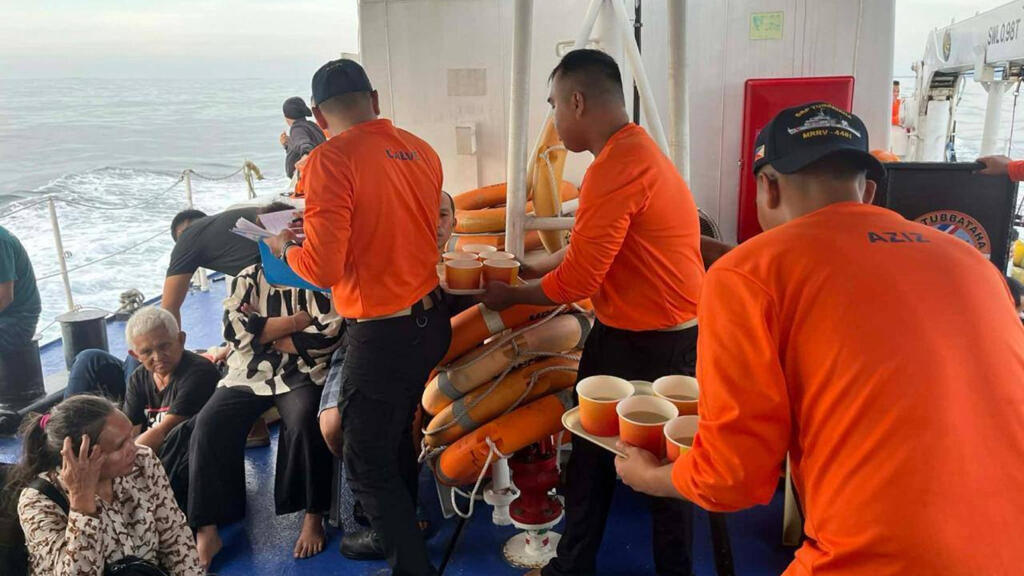
The M/V Super Ferry sank rapidly in rough seas near Basilan province around midday on January 26. Confirmed reports indicate 15 dead and 28 missing per VnExpress, while The Guardian reports at least 18 fatalities from the vessel carrying over 350 aboard. Rescue efforts involve coast guard vessels and fishing boats, with more than 200 survivors rescued so far. Unconfirmed reports suggest overloading and poor weather conditions as contributing factors. Operations continue amid choppy waters, prioritizing the search for missing passengers, many of whom were locals traveling for work or holidays.
Context & Background
This tragedy fits into a grim timeline of infrastructure failures in the Philippines. Just weeks prior, on January 9, dual landfill collapses in Cebu City and Binaliw buried homes, and on January 16, a garbage avalanche in Cebu City resulted in several fatalities. The January 26 ferry sinking extends this pattern, echoing notorious past maritime disasters like the 2013 MV St. Thomas Aquinas collision (117 dead) and the 1987 MV Doña Paz inferno (over 4,000 dead), the world's deadliest peacetime sea disaster. Systemic neglect in maintenance, overcrowding, and enforcement persists despite post-incident probes.
Regulatory Failures and Public Outcry
The sinking underscores significant regulatory failures in Philippine maritime safety. The lax enforcement of the 2007 Maritime Industry Authority (MARINA) rules allows for overloading—ferries often carry 20-50% excess passengers for profit. Corruption, underfunding, and the geography of the archipelago (over 7,000 islands reliant on ferries) exacerbate these risks. Families face devastation, with survivors recounting chaos, such as a Basilan mother who lost three children in the tragedy. Communities are mobilizing aid via churches and NGOs, but grief amplifies calls for accountability. This systemic crisis, linking to landfill woes, signals broader infrastructure vulnerabilities, eroding public trust and economic lifelines in a ferry-dependent nation.
What People Are Saying
Social media is abuzz with outrage. X user @PHMaritimeWatch tweeted: "Another ferry sinks—when will MARINA enforce laws? #PhilippinesFerryDisaster echoes Doña Paz nightmare." Survivor accounts are trending, with @BasilanMom sharing, "Lost my family in the waves. Overloaded boat, no life vests—govt must act! 50k retweets." President Marcos Jr. vowed a "full investigation," according to an official statement, while maritime expert Dr. Lina Reyes from UP Diliman posted: "Overloading + no audits = death trap. Intl standards like SOLAS ignored."
Looking Ahead
Expect heightened scrutiny from MARINA, potential vessel inspections nationwide, and congressional probes mirroring post-2013 reforms, which were short-lived. Community petitions may push for International Maritime Organization (IMO)-aligned standards, such as mandatory life vests and capacity technology. Watch for lawsuits against ferry operators and surges in aid; if these issues remain unaddressed, protests could swell, pressuring for reforms by mid-2026.
This is a developing story and will be updated as more information becomes available.