
Delhi Battles Intense Cold Wave and Poor Air Quality as Winter Conditions Persist
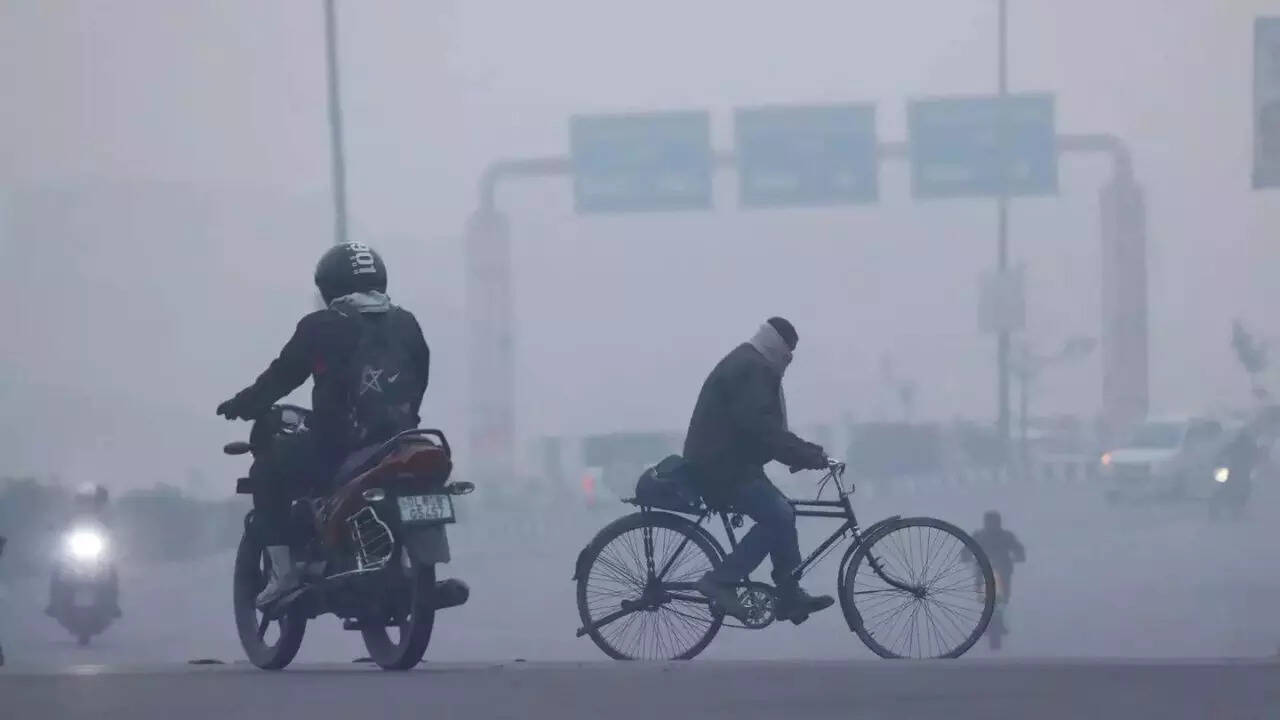
New Delhi, India – India's capital Delhi is enduring a harsh winter onslaught, marked by plummeting temperatures and deteriorating air quality. On January 10, 2026, the city recorded a minimum temperature of just 4.2 degrees Celsius, prompting the India Meteorological Department (IMD) to issue a cold wave warning for the next two days. Concurrently, air quality levels have slipped into the "poor" category with an Air Quality Index (AQI) reading of 288 as of January 6, exacerbating smog formation and visibility challenges, though flight operations at key airports continue with minor delays.
The cold wave has gripped the national capital, with early morning temperatures dipping to bone-chilling lows. According to reports from the Times of India, Delhi "shivered" at 4.2°C, a stark drop that underscores the severity of the ongoing weather event. The IMD's advisory highlights the potential for further intensification, advising residents to limit outdoor activities, especially for vulnerable groups like the elderly and children. Cold waves in northern India typically arise from western disturbances—extratropical storms originating over the Mediterranean that bring cold northerly winds—and this episode aligns with seasonal patterns observed in recent years.
Compounding the frigid conditions is Delhi's persistent air pollution crisis, which worsens dramatically during winter months. The AQI of 288, classified as "poor" by the Central Pollution Control Board (CPCB), indicates moderate health concerns for the general population, with higher risks for those with respiratory issues. Smog has blanketed the city, reducing visibility and contributing to hazy skies. While Indira Gandhi International Airport has reported no major disruptions, pilots have noted potential delays due to low visibility, a common occurrence during such episodes.
Meteorological data from the IMD confirms that the cold air mass has led to atmospheric inversion—a phenomenon where a layer of warm air traps cooler, pollutant-laden air near the ground. This stagnation prevents dispersion of fine particulate matter (PM2.5) and other toxins, pushing AQI levels higher. The air quality deterioration began intensifying around January 6, coinciding with the onset of denser fog and lower wind speeds.
Background on Delhi's Winter Weather Challenges
Delhi's winters have long been synonymous with a toxic mix of cold snaps and hazardous air. The city routinely ranks among the world's most polluted urban centers during October to February, driven by multiple factors. Stubble burning in neighboring Punjab and Haryana peaks post-harvest, releasing massive plumes of smoke that drift southward. Vehicular emissions, industrial output, and construction dust further aggravate the situation. In 2023 and 2024, similar conditions saw AQI levels frequently exceeding 400, entering the "severe" zone and triggering emergency measures like school closures and construction bans.
The IMD defines a cold wave as a drop of at least 4.5°C below normal temperatures or when minimums fall below 4°C in the plains. Delhi has met these criteria multiple times this season, with forecasts indicating prolonged chill through mid-January 2026. Historical precedents include the record-low 0.2°C in 2023 and prolonged fog spells that paralyzed transportation. Government responses have included the Graded Response Action Plan (GRAP), which enforces restrictions based on AQI thresholds—Stage I measures, such as bans on coal use and diesel generators, are likely active given current readings.
Health experts from institutions like the Centre for Science and Environment (CSE) warn of rising respiratory ailments, including asthma exacerbations and bronchitis, during such periods. Hospitals in Delhi have reported a surge in cases, echoing patterns from previous winters where air pollution contributed to thousands of premature deaths annually, per Lancet studies.
Authorities have ramped up mitigation efforts. The Delhi government has deployed smog towers, promoted electric vehicles under its EV policy, and encouraged work-from-home arrangements. The Commission for Air Quality Management (CAQM) monitors regional compliance, fining violators of farm fire bans. On the cold front, heaters and blankets are in high demand, while anti-fog measures aid aviation.
Outlook and Implications
The IMD predicts the cold wave to persist through January 12, 2026, with maximum temperatures struggling around 18-20°C. Air quality may fluctuate but is unlikely to improve without stronger winds, expected later in the week. Regional impacts extend beyond Delhi, affecting Uttar Pradesh, Haryana, and Rajasthan with similar weather alerts.
As India grapples with climate variability—intensified by phenomena like La Niña—this episode highlights the intersection of extreme weather and urban pollution. Long-term solutions, including cleaner energy transitions and stricter agricultural regulations, remain critical. Residents are urged to check real-time AQI via apps like Sameer and follow IMD advisories for safety.
(Word count: 612)