Deadly Road Accidents in India: Himachal Bus Plunges into Gorge Killing 14, Yamuna Expressway Crash Leaves Two Untraced

Latest from X
Deadly Road Accidents in India: Himachal Bus Plunges into Gorge Killing 14, Yamuna Expressway Crash Leaves Two Untraced
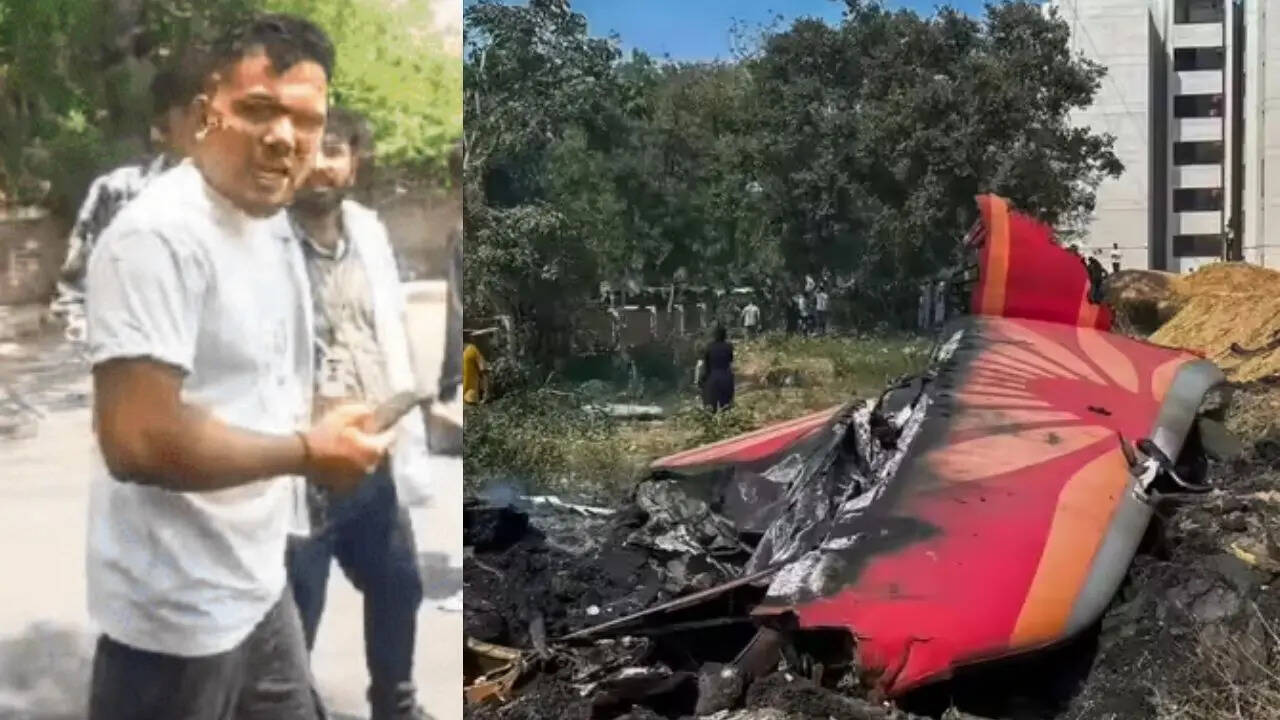
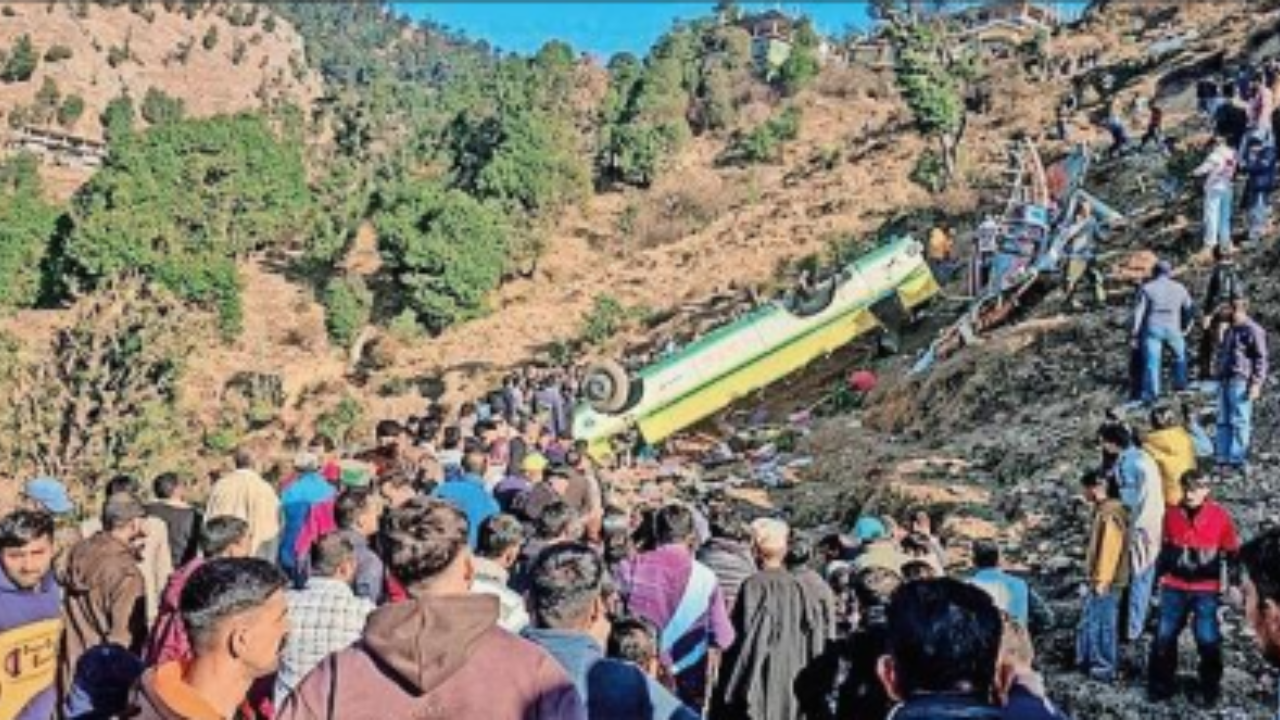
NEW DELHI — India has been gripped by a wave of tragic road accidents in the first week of January 2026, highlighting ongoing concerns over road safety in the country. On January 9, a passenger bus plummeted into a 500-meter-deep gorge in Himachal Pradesh, claiming 14 lives. Just days earlier, on January 3, a severe crash on the Yamuna Expressway left two victims untraced, prompting the government to constitute a high-level probe panel to investigate the incident.
The Himachal Pradesh accident occurred amid challenging mountainous terrain, a region notorious for perilous roadways. According to reports, the bus veered off the road and plunged into the deep gorge, resulting in 14 fatalities. Rescue operations were immediately launched, but the steep and remote location complicated efforts. This incident underscores the vulnerabilities of vehicular travel in hilly areas, where narrow roads, sharp curves, and adverse weather conditions frequently contribute to such disasters.
Details emerging from the site indicate that the bus was carrying passengers through a rugged stretch of Himachal Pradesh, a northern state known for its scenic hill stations and pilgrimage routes. The depth of the gorge—500 meters—made recovery operations particularly arduous, with authorities working to retrieve bodies and ascertain the total number of injuries. While specific causes such as driver error, mechanical failure, or road conditions remain under investigation, the accident adds to a long history of similar tragedies in the state. Himachal Pradesh's roads, vital for tourism and connectivity, have witnessed multiple bus plunges in recent years due to overloading, speeding, and poor infrastructure maintenance.
In a parallel development on the Yamuna Expressway, a high-speed corridor connecting Delhi to Agra, a major crash on January 3 has left two individuals untraced. The expressway, operational since 2012 and spanning over 165 kilometers, is one of India's key infrastructure projects designed to reduce travel time between the national capital and Uttar Pradesh. However, it has been plagued by accidents, often attributed to high speeds, fog, and occasional lapses in vehicle maintenance.
The severity of the Yamuna incident, classified as high, has drawn swift governmental response. A dedicated probe panel has been formed to probe the circumstances, including potential factors like vehicle collision details, traffic management, and emergency response efficacy. As of January 9, search efforts for the missing victims continue, with authorities urging motorists to exercise caution on the stretch. The expressway's private operator, Jaypee Group, has faced scrutiny in the past for safety protocols, though no official findings have been released yet.
These back-to-back accidents come against the backdrop of India's alarming road safety crisis. According to the latest Ministry of Road Transport and Highways data, the country recorded over 168,000 road accident deaths in 2022, with numbers showing little decline in subsequent years. Motor vehicles on national highways and expressways account for a disproportionate share, exacerbated by rapid urbanization, increasing vehicle density—now exceeding 350 million registered vehicles—and inconsistent enforcement of traffic rules.
Expressways like the Yamuna have been promoted as safer alternatives to national highways, featuring divided lanes, access control, and advanced surveillance. Yet, incidents persist; for instance, dense fog in winter months has led to multi-vehicle pile-ups in northern India. In Himachal Pradesh, the topography amplifies risks: steep gradients and landslide-prone areas claim hundreds of lives annually. The National Crime Records Bureau notes that public transport vehicles, including buses, are involved in nearly 20% of fatal accidents nationwide.
Government initiatives, such as the Bharatmala Pariyojana for highway expansion and stricter licensing under the Motor Vehicles (Amendment) Act 2019, aim to curb fatalities. However, implementation gaps remain, particularly in remote regions. The Supreme Court has repeatedly directed states to address black spots—high-risk road segments—and install safety barriers, but progress is uneven.
Experts emphasize the need for enhanced driver training, real-time weather monitoring, and AI-based traffic systems. The Himachal crash, occurring on January 9, has renewed calls from transport ministers for mandatory fitness checks on hilly-route vehicles. For the Yamuna probe, officials anticipate a report within weeks, which could lead to operational audits.
As India pushes toward a $5 trillion economy with expanded road networks—adding over 50,000 kilometers of highways since 2014—these accidents serve as stark reminders of the human cost. Families of the victims in both incidents are seeking compensation and justice, while authorities pledge comprehensive investigations. With the winter travel season underway, enhanced patrols and advisories have been issued across states to prevent further mishaps.
In the broader context, these events reflect persistent challenges in a nation where road accidents rank as the 12th leading cause of death, per World Health Organization estimates. Until systemic reforms take hold, such tragedies risk becoming routine headlines.
(Word count: 712)
Track this story live
Original Sources
- •14 killed as bus plunges into 500m-deep Himachal gorge— timesofindia
Editorial process: This article was synthesized from the original sources cited above using The World Now's AI editorial system, with byline accountability from our editorial team. We grade every story for source grounding, factual coherence, and on-topic match before publication. Read more about our editorial standards and contributors. Spot something inaccurate? Let us know.
Last updated: January 12, 2026