
Deadly New Year's Eve Fire at Swiss Ski Resort Claims 40 Lives, Raises Safety Questions
Crans-Montana, Switzerland – A catastrophic fire tore through a crowded bar in the popular ski resort of Crans-Montana during a New Year's Eve celebration, killing at least 40 people and injuring 116 others, most of them young revelers. The incident, which occurred in the early hours of January 1, 2026, has left families reeling and prompted outrage over the venue's lack of fire safety inspections for years.
The blaze erupted at a bar hosting a lively New Year's party in Crans-Montana, a renowned alpine resort in Switzerland's Valais canton known for its luxury skiing and vibrant après-ski scene. According to reports, the fire spread rapidly, trapping partygoers inside and overwhelming initial escape efforts. Emergency services responded swiftly, but the scale of the disaster – with approximately 40 fatalities and around 115 injuries – marked it as one of the deadliest accidents in recent Swiss history. Victims were primarily young attendees, highlighting the tragic loss of a generation of holidaymakers drawn to the resort's festive atmosphere.
Local authorities confirmed the fire broke out shortly after midnight on December 31, 2025, with the situation escalating by early January 2, 2026. Rescue teams, including helicopters and ground crews from across the region, airlifted the injured to hospitals in Sion, Lausanne, and Geneva. Many suffered from smoke inhalation, burns, and crush injuries amid the chaos of evacuation. As of the latest updates, the death toll stands at 40, with more than 100 still receiving treatment, some in critical condition.
Families of the victims have expressed profound shock and anger, particularly upon learning that the bar had not undergone fire safety inspections for several years. This revelation has ignited public scrutiny of regulatory oversight in Switzerland's tourism hotspots. Crans-Montana, which attracts thousands of visitors annually for its world-class slopes and high-end nightlife, relies heavily on such venues to fuel its economy. The incident underscores vulnerabilities in older buildings retrofitted for large gatherings, where wooden structures common in alpine architecture can accelerate fire spread.
Swiss officials have launched a full investigation led by the Valais cantonal authorities and federal safety agencies. Preliminary findings point to possible electrical faults or overcrowding as ignition factors, though the exact cause remains under examination. Forensic teams are analyzing debris from the site, which was left gutted by the flames. In a statement, Valais public safety director Marie-France Fasel noted, "Our priority is supporting the bereaved and ensuring no stone is left unturned in understanding this tragedy."
Background on Crans-Montana and Swiss Safety Standards
Crans-Montana, perched at 1,500 meters above sea level, is a staple of the Swiss ski circuit, hosting events like the Crans Montana Alpine World Cup and drawing international crowds. The resort's nightlife, centered around bars and chalets, booms during the winter holiday season, with New Year's Eve parties a highlight. However, Switzerland's decentralized regulatory system places much responsibility on cantons and venue owners for fire compliance.
Swiss fire safety laws mandate regular inspections for public venues, but enforcement varies. The BBC reports highlight that this particular bar had evaded checks for years, a lapse now fueling calls for nationwide audits. Comparable past incidents, such as the 2001 Kaprun cable car fire that killed 155 in nearby Austria, have long sensitized the region to alpine fire risks. Switzerland has since bolstered standards, including sprinkler systems and emergency exits, but critics argue enforcement lags in high-tourism areas.
In response, the Swiss Hotel and Tourism Association announced immediate reviews of all member venues, while Crans-Montana's municipality imposed a temporary closure on similar establishments. Federal Transport Minister Simonetta Sommaruga addressed the nation, pledging enhanced federal oversight: "This is a dark day for our tourism industry, but it will drive real change."
Outlook and National Response
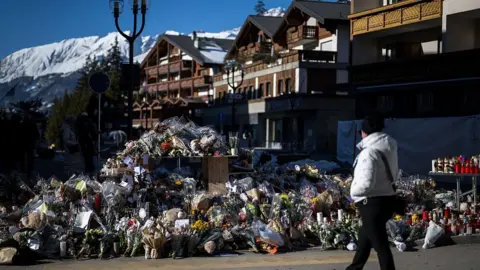
The tragedy has prompted an outpouring of grief, with memorial services planned across Valais. International condolences have arrived from ski federations and governments, recognizing Crans-Montana's global draw. Investigators expect a preliminary report within weeks, potentially leading to stricter inspection regimes and liability reforms.
As Switzerland grapples with this loss, the focus shifts to prevention. The resort, set to reopen slopes amid subdued festivities, faces a long recovery. For the families, questions of accountability loom large: Why was the bar unchecked? How can such venues be made safe without stifling the joy of alpine traditions? The answers may reshape safety protocols for generations of skiers to come.
(Word count: 612)