
Deadly ICE Shooting in Minneapolis Ignites Partisan Clash as Another Shooting Rocks North Carolina
MINNEAPOLIS — A fatal shooting involving a U.S. Immigration and Customs Enforcement (ICE) agent in Minneapolis on January 7 has triggered intense political backlash, with Democratic leaders demanding investigations and Republicans defending the agent's actions as self-defense. The incident, which claimed the life of Renee Nicole Good, comes amid heightened tensions over immigration enforcement and coincides with another high-profile shooting in North Carolina involving juveniles.
The Minneapolis shooting occurred Wednesday afternoon during what authorities described as a federal immigration operation. According to reports, Good, a local woman, was fatally shot by an ICE agent after allegedly attempting to run him over with her vehicle. President Donald Trump characterized the event as an act of "self-defense," a statement strongly disputed by local elected officials. Minnesota Governor Tim Walz responded by urging the public to remain calm as investigations proceed.
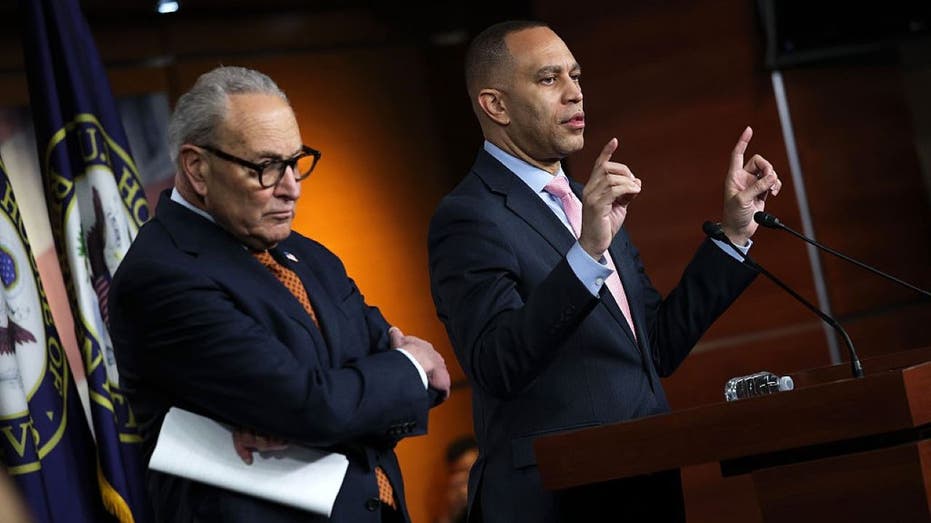
Details emerged rapidly, polarizing responses along partisan lines. Vice President JD Vance publicly challenged Democrats, asking whether the ICE officer was "wrong in defending his life" after the woman reportedly tried to strike him with her car. On the other side, House Minority Leader Hakeem Jeffries labeled Homeland Security Secretary Kristi Noem a "stone-cold liar" over her handling of the response, calling for immediate probes into the circumstances.
A GoFundMe campaign launched in Good's memory, initially aiming for $50,000, had surpassed $500,000 by Thursday morning. Organizers described Good as participating in a federal immigration protest at the time of the shooting, framing her death as a tragic outcome of the raid. The fundraiser's swift success underscores community outrage and support for Good's family.
Political Fault Lines Deepen
The incident has amplified broader debates on immigration policy and law enforcement tactics under the Trump administration. Democratic leaders, including Jeffries, have condemned the shooting outright, demanding accountability from federal agencies. Local officials in Minneapolis, a city with a history of protests against police actions—most notably following the 2020 killing of George Floyd—have echoed calls for transparency, disputing the self-defense narrative advanced by Trump and Vance.
Republicans, meanwhile, have rallied behind the agent, portraying the event as a necessary response to an imminent threat. Noem, whose comments drew Jeffries' ire, has not publicly detailed her statements in available reports, but the exchange highlights escalating rhetoric between party leaders.
Governor Walz's plea for calm reflects efforts to prevent escalation in a region sensitive to law enforcement encounters. As of Thursday, no official charges have been announced against the agent, and the investigation remains ongoing, involving local, state, and federal authorities.
Separate Incident in North Carolina
In a separate high-severity shooting reported earlier in the week, a North Carolina homeowner fired multiple rounds at a vehicle carrying juveniles engaged in a prank on January 6. One juvenile sustained a gunshot wound to the leg, prompting the arrest of the homeowner. Details on the prank's nature or the juveniles' ages were not specified in initial reports, but the event has drawn local attention to risks posed by escalating responses to non-violent mischief.
This incident, while unrelated to federal operations, adds to a string of recent gun violence episodes across the U.S., raising questions about firearm use in defensive scenarios.
Background on ICE Operations and Gun Violence Trends
ICE raids have intensified since the start of Trump's second term, targeting undocumented immigrants amid promises of mass deportations. Minneapolis, with its diverse immigrant communities, has been a focal point for such actions, often sparking protests. The agency's use-of-force policies require agents to respond to perceived threats, including vehicular assaults, which federal guidelines classify as high-risk.
Nationally, shootings involving civilians and law enforcement—or in this case, private citizens—continue to fuel discourse on self-defense laws. Stand-your-ground statutes in states like North Carolina provide legal protections for homeowners, though arrests indicate potential scrutiny over proportionality.
No comprehensive federal data on January 2026 shootings was available Thursday, but the events align with ongoing patterns: the Gun Violence Archive has historically tracked thousands of incidents annually, with defensive gun uses remaining a contentious statistic.
Outlook Amid Investigations
Investigations into the Minneapolis shooting are expected to examine body camera footage, witness statements, and forensic evidence to reconcile conflicting accounts. Political pressure may accelerate timelines, with Democrats pushing for independent reviews and Republicans emphasizing agent safety.
In North Carolina, the injured juvenile's condition and legal proceedings against the homeowner will likely unfold in coming days. Both cases highlight the volatile intersection of perceived threats, firearms, and rapid public reactions in an era of polarized immigration and crime debates.
As details emerge, officials on all sides stress the need for facts over speculation to prevent further unrest.
(Word count: 712)






