
Deadly Helicopter Crash in Arizona and Coast Guard Boat Strike Search Highlight US Safety Concerns
Phoenix, Arizona / Undisclosed Coastal Waters — Two separate high-profile accidents have drawn national attention in the United States over the weekend, underscoring ongoing challenges in aviation safety and maritime rescue operations. A helicopter fatally collided with a slackline strung across a remote canyon in Arizona, killing all passengers on board, while the U.S. Coast Guard continues a diminishing search for survivors following a series of boat strikes that began early Saturday.
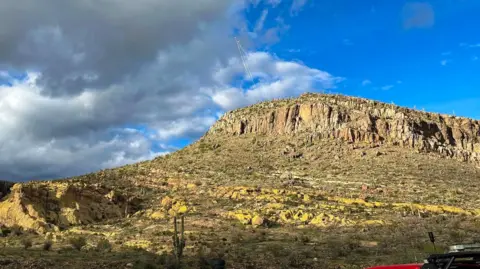
The Arizona incident occurred when a helicopter struck a slackline—a thin, tensioned line used for a sport similar to tightrope walking—leading to the aircraft's crash. All passengers aboard perished in the accident. The individuals responsible for installing the slackline had filed an aviation safety notice prior to the event, prompting scrutiny over the effectiveness of the aerial alert system designed to warn pilots of potential hazards.
The Coast Guard's operation, rated as high severity, involves an urgent search for survivors after multiple boat strikes reported off U.S. waters. Launched at approximately 00:06 UTC on Saturday, January 3, 2026, the effort has persisted amid worsening conditions, with officials noting that hopes of locating additional individuals are fading as time elapses. Details on the exact location, number of vessels involved, or potential victims remain limited, but the mission highlights the Coast Guard's critical role in responding to maritime emergencies.
Details of the Arizona Helicopter Crash
Eyewitness accounts and initial investigations point to the slackline as the direct cause of the crash. Slacklining, a recreational activity that gained popularity in the U.S. during the 2010s, involves balancing on narrow webbing strung between anchors, often in scenic or remote outdoor settings like canyons. In this case, the line was erected in an area frequented by aerial traffic, raising immediate questions about compliance with Federal Aviation Administration (FAA) protocols.
The slackline installers had submitted a Notice to Air Missions (NOTAM), a standard FAA tool used to alert pilots of temporary hazards such as construction, towers, or other obstacles. NOTAMs are disseminated through aviation charts, flight planning apps, and air traffic control briefings. However, the collision suggests possible gaps in the system's real-time dissemination or pilot awareness. The BBC reported that the notice was filed, but it remains unclear whether the helicopter's crew received or acknowledged it prior to takeoff.
The National Transportation Safety Board (NTSB) has dispatched investigators to the crash site, expected to examine wreckage, black box data, flight logs, and weather conditions. Arizona's rugged terrain, including areas near Sedona or the Grand Canyon—popular for helicopter tours—has seen similar incidents in the past. For instance, a 2018 Grand Canyon helicopter collision killed five, leading to stricter tour regulations. This latest tragedy adds to a string of aviation mishaps, with the FAA reporting over 1,200 general aviation accidents in 2023 alone, 80% involving small aircraft like helicopters.
Local authorities have secured the site, and the victims' identities are being withheld pending family notifications. No further injuries were reported on the ground.
Coast Guard's Urgent Maritime Search
Concurrent with the aerial disaster, the U.S. Coast Guard initiated a large-scale search-and-rescue operation following reports of boat strikes. These incidents, which could involve vessels colliding with objects, marine life, or other boats, pose significant risks in busy coastal zones. The operation's high severity classification indicates substantial resources deployed, including cutters, helicopters, and small boats equipped with thermal imaging and sonar.
As hours turned into a full day, Coast Guard spokespersons emphasized the time-sensitive nature of such missions. Survival odds decrease rapidly due to hypothermia, exhaustion, and currents, particularly if the strikes occurred in open waters. The agency has coordinated with local authorities and the U.S. Navy if needed, standard procedure for multi-asset responses.
Boat strikes have been a persistent issue along U.S. coastlines. The National Oceanic and Atmospheric Administration (NOAA) tracks vessel strikes on endangered species like right whales, but human survivor searches often stem from recreational boating accidents. In 2024, the Coast Guard responded to over 15,000 search-and-rescue cases nationwide, rescuing more than 3,000 people. Recent upticks in boating activity post-pandemic have strained resources, with calls for enhanced vessel tracking via Automatic Identification Systems (AIS).
Broader Context and Safety Implications
These incidents occur against a backdrop of heightened safety scrutiny in U.S. transportation. Aviation fatalities have declined overall due to technological advances like terrain awareness systems, yet human error and unmarked hazards persist. The FAA's NOTAM system, while robust, relies on pilots' diligence; a 2022 Government Accountability Office report recommended improvements in digital alerts.
In maritime realms, the Coast Guard's Sector Command Centers integrate data from radars, satellites, and apps like Vessel Traffic Services. Climate change exacerbating storm patterns and increased coastal tourism amplify risks.
Outlook
Investigations into the Arizona crash are expected to yield preliminary findings within weeks, potentially prompting FAA reviews of NOTAM procedures for adventure sports. The Coast Guard search, though hopes are waning, remains active as of Sunday evening. Both events serve as stark reminders of the need for vigilance in America's skies and seas.
Authorities urge pilots and boaters to double-check alerts and maintain situational awareness. Updates will follow as more details emerge.
(Word count: 748)