
Deadly Cold Snap Paralyses France: Snow and Ice Trigger Mass Flight Cancellations and Road Closures
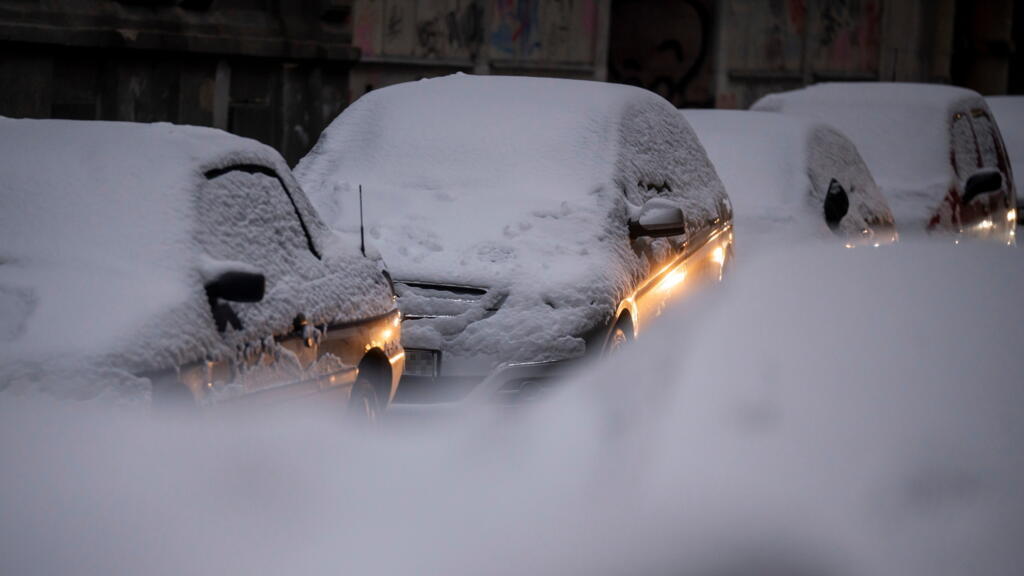
Paris, France – A severe cold snap sweeping across Europe has plunged France into travel chaos, with heavy snow and ice leading to widespread road closures, flight and train cancellations, and hazardous driving conditions. The disruptions, which began on January 5, 2026, intensified on Wednesday, forcing airlines at Paris's Charles de Gaulle Airport to cancel at least 40% of flights and leaving commuters stranded amid a worsening weather front.
The cold weather event, classified as high severity by monitoring services, has affected multiple countries including France, the United Kingdom, and the Netherlands. In France, the impacts have been particularly acute in the Paris region and northern areas, where accumulating snow has blanketed roads and runways. Authorities at Charles de Gaulle, Europe's second-busiest airport, issued mandates for significant flight reductions to ensure safety, stranding thousands of passengers. Train services, including high-speed TGV lines, faced similar cancellations and delays, exacerbating gridlock on major highways.
France24 reported that commuters and travelers across France and Europe confronted further disruptions on January 7, as the cold snap deepened. Dangerous icy conditions have prompted widespread road closures, with drivers urged to avoid travel unless absolutely necessary. Emergency services have responded to numerous accidents attributed to black ice and poor visibility, underscoring the perilous state of infrastructure under the freeze.
The weather system originated late on January 5, bringing a rapid drop in temperatures and precipitation in the form of snow and freezing rain. Meteorological data indicates sub-zero conditions persisting through the week, with forecasts predicting additional snowfall that could extend disruptions into the weekend. In Paris, temperatures hovered around -5°C (23°F) during the day, plummeting further overnight, while wind chill amplified the freeze.
Widespread Disruptions and Safety Measures
Transportation hubs have borne the brunt of the storm. At Charles de Gaulle Airport, the 40% flight cancellation order – a directive from French aviation authorities – affected both domestic and international routes. Airlines such as Air France and low-cost carriers reported scrambling to rebook passengers, with long queues forming at customer service counters. Regional airports like Orly and Lyon-Saint Exupéry also saw reductions, though less severe.
Rail operator SNCF announced suspensions on several lines connecting Paris to northern France and neighboring countries, citing ice accumulation on tracks and overhead lines. Road networks, managed by state agency DIR, closed key arteries including sections of the A1 motorway north of Paris. Motorists encountered abandoned vehicles and multi-vehicle pileups, prompting deployment of snowplows and gritters around the clock.
Public safety responses have been swift. French Interior Minister Gérald Darmanin activated heightened alert levels in affected departments, coordinating with local prefectures for shelter provisions and emergency hotlines. Schools in northern regions dismissed early, and some municipalities imposed travel bans after dark. The cold snap has been labeled "deadly" due to associated risks, though specific fatality figures remain unconfirmed in initial reports.
Background on European Winter Weather Patterns
France and much of Western Europe frequently experience winter cold snaps driven by polar air masses spilling southward from Scandinavia or Russia. Historical precedents include the 2010 "Beast from the East," which brought record snow to France and the UK, and the 2021 Storm Filomena in neighboring Spain and France. Climate analyses from organizations like Météo-France note that while global warming has reduced overall snowfall frequency, intense short-duration events linked to Arctic amplification have become more erratic.
This 2026 event aligns with early-year patterns, where Atlantic low-pressure systems clash with continental high-pressure ridges, funneling cold air into the region. Météo-France warnings issued prior to January 5 highlighted the potential for 10-20 cm of snow in parts of Île-de-France and Hauts-de-France, conditions that materialized rapidly.
Outlook: More Snow Expected
As Europe braces for further chaos, forecasts from the European Centre for Medium-Range Weather Forecasts indicate the cold front lingering through at least January 9, with additional snow bands targeting France's interior. Aviation regulators may extend flight caps, while rail and road operators prepare for prolonged recovery efforts.
Officials urge the public to check transport updates via apps like SNCF Connect and airport websites, and to prepare vehicles with winter kits. Economic ripple effects, including delayed cargo and tourism losses, are anticipated but secondary to safety priorities. This episode serves as a stark reminder of Europe's vulnerability to extreme winter weather in an era of climatic variability.
(Word count: 612)