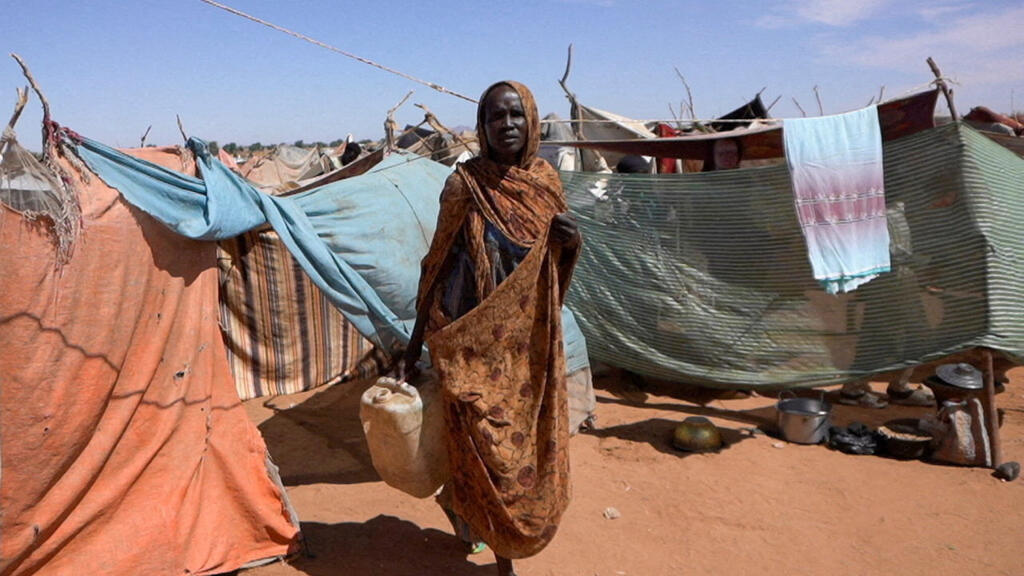
Deadly Clashes in Darfur: 114 Killed in Week of Fighting Between Sudan’s Army and RSF

Latest from X
Deadly Clashes in Darfur: 114 Killed in Week of Fighting Between Sudan’s Army and RSF
In a tragic escalation of violence in Sudan’s western region of Darfur, at least 114 people have been killed over the past week during intense clashes between the Sudanese Armed Forces (SAF) and the paramilitary Rapid Support Forces (RSF). The conflict, marked by drone strikes and ground assaults, has devastated civilian populations, with medical sources reporting significant casualties in the towns of Al-Zuruq and Kernoi. This latest wave of violence underscores the deepening crisis in Sudan, where a power struggle between rival military factions has plunged the country into chaos since 2023.
According to reports from France 24, the Sudanese military conducted drone strikes on Saturday in Al-Zuruq, an RSF-controlled town in North Darfur, killing 51 civilians. The strikes have drawn widespread condemnation for their impact on non-combatants, with hospitals and markets reportedly among the targets. Meanwhile, RSF assaults on the town of Kernoi resulted in 63 deaths and 17 injuries, further compounding the humanitarian toll. Medical sources have struggled to cope with the influx of casualties as infrastructure in the region deteriorates under the strain of ongoing conflict.
The violence in Darfur is part of a broader war that erupted in April 2023, when tensions between the SAF, led by General Abdel Fattah al-Burhan, and the RSF, under the command of General Mohamed Hamdan Dagalo (known as Hemedti), boiled over into open conflict. Initially centered in the capital, Khartoum, the fighting has since spread to other regions, including Darfur, a region with a history of ethnic violence and mass displacement. The use of drone strikes by the military has become a particularly contentious issue, with reports of civilian casualties mounting in recent months.
Background: A Nation in Turmoil
Sudan’s current conflict traces its roots to a fragile power-sharing arrangement following the 2019 ouster of longtime dictator Omar al-Bashir. The SAF and RSF, once allies in the transitional government, turned on each other after disagreements over the integration of the RSF into the national army and control over key resources. Darfur, which suffered a genocide in the early 2000s that killed an estimated 300,000 people, has once again become a flashpoint, with ethnic militias and foreign actors exacerbating the violence. The United Nations has warned that the war, now approaching its 1,000th day, risks entering an even deadlier phase as fighting intensifies in regions like Kordofan and Darfur.
The humanitarian impact of the conflict is staggering. Over 10 million people have been displaced within Sudan, and hundreds of thousands have fled to neighboring countries. Famine looms in parts of Darfur, where aid delivery is hampered by insecurity and blockades. Both the SAF and RSF have been accused of war crimes, including indiscriminate attacks on civilians, sexual violence, and looting, though both sides deny the allegations.
Voices from the Ground
Posts on X from credible sources highlight the severity of the situation in Darfur. Recent updates from verified accounts report on the devastating civilian toll of drone strikes in Al-Zuruq, with one post noting the destruction of a hospital and a market in the town. Another post mentioned the targeting of prominent figures, including members of Hemedti’s family, in the strikes, though such claims remain unverified by official sources. These accounts reflect the growing international concern over the indiscriminate nature of the violence and its impact on Sudan’s most vulnerable populations.
Outlook: A Bleak Horizon
The latest bloodshed in Darfur comes amid stalled ceasefire talks and growing fears of regional spillover. The Sudanese government, led by the military, has expressed skepticism about agreeing to a truce, while the RSF has accused the SAF of targeting civilians to weaken their hold on strategic areas. International efforts to mediate, including initiatives by the United Nations and African Union, have so far failed to halt the violence. Analysts warn that without a sustained diplomatic push and accountability for atrocities, Sudan risks further fragmentation.
As the death toll climbs, the plight of Darfur’s civilians remains a stark reminder of the human cost of Sudan’s power struggle. With 114 lives lost in just one week, the international community faces renewed pressure to act before the crisis spirals further out of control. For now, the people of Al-Zuruq and Kernoi mourn their dead, while the sounds of drones and gunfire continue to echo across the scarred landscape of Darfur.
Track this story live
Live World Map
Monitor global events in real time with a live activity map and hotspot summaries.
Global Conflict Map
Follow active conflict zones, strike activity, and emerging geopolitical hotspots.
Current Wars
Track all active wars and armed conflicts happening in the world right now.
Iran War
Track the Iran war in real time with proxy network monitoring, Strait of Hormuz risk, and market impact.
Original Sources
- •
Editorial process: This article was synthesized from the original sources cited above using The World Now's AI editorial system, with byline accountability from our editorial team. We grade every story for source grounding, factual coherence, and on-topic match before publication. Read more about our editorial standards and contributors. Spot something inaccurate? Let us know.
Last updated: January 16, 2026






