
Deadly Bushfires Devastate Victoria as Heatwave Fuels Blazes Across Southeast Australia
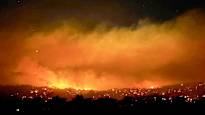
Melbourne, Australia – Intensifying bushfires fueled by a severe summer heatwave have claimed at least one life, destroyed around 300 buildings, and scorched more than 350,000 hectares of bushland in Victoria state, prompting a state of emergency and mobilizing thousands of firefighters.
The fires, which have been raging out of control for days, prompted police to confirm the discovery of human remains in Victoria's southeast on Sunday, marking the first reported fatality. According to reports, the blazes have razed buildings, cut power to thousands of homes, and burned vast swathes of bushland amid extreme weather conditions. A state of emergency was declared in Victoria as emergency services battled multiple fronts, with the destruction toll including significant property losses across affected regions.
The situation escalated rapidly following a heatwave that began triggering bushfire alerts earlier in the week. On January 7, high fire risk led to official alerts in South Australia due to soaring temperatures, setting the stage for broader fire dangers across the southeast. By January 11, the fires in Victoria had intensified, resulting in widespread evacuations and infrastructure disruptions.
Escalating Fire Activity and Emergency Response
Firefighters have been working around the clock to contain the blazes, which have torn through approximately 350,000 hectares (equivalent to 860,000 acres) of bushland. Power outages have affected thousands of households, complicating relief efforts and forcing residents to flee with little notice. The human remains were found in a fire-ravaged area, underscoring the deadly potential of the out-of-control infernos.
Authorities have described the conditions as extreme, with dry fuels, high winds, and record heat exacerbating the spread. A state of emergency declaration in Victoria has granted additional powers to coordinate resources, including the deployment of thousands of firefighters. Evacuation orders remain in place for several communities, and residents are urged to monitor official updates as conditions evolve.
Background on Australia's Bushfire Season
Australia's summer bushfire season, typically peaking from December to March, is a recurring challenge driven by the country's hot, dry climate and vast eucalyptus forests that serve as highly flammable fuel. The current outbreak echoes patterns seen in previous years, where heatwaves amplify fire risks. A notable precursor occurred on January 7, when South Australia's Country Fire Service issued high-severity bushfire alerts amid a heatwave, highlighting the interconnected weather systems affecting multiple states.
Victoria, in particular, has faced repeated fire threats, with its southeast regions prone to rapid fire spread due to rugged terrain and dense vegetation. Historical data from the Australian Institute for Disaster Resilience indicates that such events often involve multi-day burn periods, leading to significant ecological and economic impacts.
Ongoing Challenges and Outlook
As of January 11, the fires continue to burn without full containment, with weather forecasts predicting sustained high temperatures that could prolong the crisis. Relief operations are underway, focusing on search and rescue, property assessments, and support for displaced residents. Interstate and international assistance may be called upon if the blazes expand further.
Officials have warned of potential worsening conditions, emphasizing preparedness in fire-prone areas. The events serve as a stark reminder of the vulnerabilities exposed by prolonged dry spells and extreme heat during Australia's fire season. Updates from emergency services will be critical as containment efforts progress.
(Word count: 512)