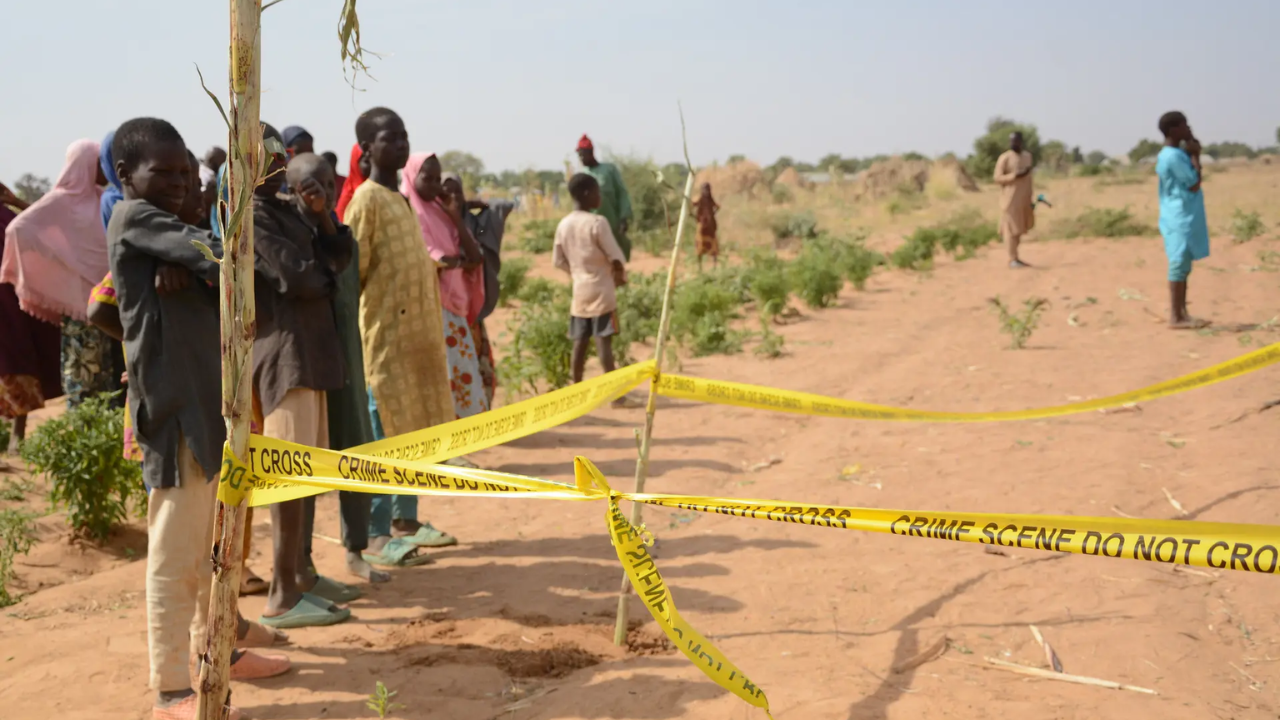
Deadly Attack in Kasuwan-Daji Village Highlights Nigeria's Ongoing Security Crisis

Latest from X
Deadly Attack in Kasuwan-Daji Village Highlights Nigeria's Ongoing Security Crisis
In a tragic escalation of violence in northern Nigeria, gunmen launched a deadly assault on Kasuwan-Daji village in Niger State on Saturday evening, January 4, 2026, killing at least 30 people and abducting several others. The attackers also set fire to homes, shops, and the local market, leaving the community in ruins. This incident underscores the persistent threat of terrorism and banditry in rural Nigeria, where security responses are often delayed, exacerbating the toll on vulnerable populations.
According to police reports and local accounts, the attack occurred late in the evening, catching residents off guard. The gunmen, believed to be part of the region's notorious bandit groups, opened fire indiscriminately, looted valuables, and kidnapped an undisclosed number of villagers. Eyewitnesses described scenes of chaos as families fled into the night, while flames engulfed their homes and livelihoods. The Times of India reported that some residents believe the death toll could be higher than the officially confirmed figure of 30, reflecting the confusion and devastation left in the wake of the raid.
Local frustration over the delayed response from security forces has been palpable. Residents of Kasuwan-Daji expressed anger and helplessness, noting that help arrived too late to prevent the carnage. "We were left to fend for ourselves," one villager told Sunday Guardian Live. "By the time security forces showed up, the damage was already done." This sentiment echoes a broader concern in Nigeria's northern and central regions, where rural communities often bear the brunt of violence with limited protection.
Background: A Region Under Siege
Nigeria has grappled with multifaceted security challenges for over a decade, including the Boko Haram insurgency in the northeast, escalating banditry in the northwest and north-central zones, and farmer-herder conflicts. Niger State, located in north-central Nigeria, has become a hotspot for bandit attacks in recent years. These groups, often operating from remote forests, carry out kidnappings for ransom, cattle rustling, and village raids, terrorizing communities and displacing thousands.
The attack on Kasuwan-Daji is part of a disturbing pattern. Just months ago, mass abductions in the region forced the temporary closure of schools, with the BBC reporting that some institutions have only recently begun to reopen in "safe and secure areas." The Nigerian government has deployed military operations and negotiated with some bandit leaders in an attempt to curb the violence, but critics argue that these efforts have yielded limited success. Rural areas remain particularly vulnerable due to inadequate security infrastructure and the vast, ungoverned spaces where armed groups operate with impunity.
Community in Mourning, Calls for Action
As news of the attack spread, posts on social media platforms like X reflected a mix of grief and outrage among Nigerians. Verified accounts and local commentators highlighted the scale of destruction in Kasuwan-Daji, with some sharing unconfirmed reports of a higher death toll and others calling for urgent government intervention to address the growing insecurity facing local communities.
The Niger State Police Command confirmed the attack, acknowledging the loss of life and property destruction, as reported by ABC News. However, details about the exact number of abducted individuals and the status of rescue efforts remain unclear. State officials have vowed to intensify efforts to secure the region, but similar promises in the past have often fallen short amid logistical challenges and resource constraints.
Outlook: A Long Road to Stability
The Kasuwan-Daji attack is a stark reminder of the complex security crisis gripping Nigeria. Analysts warn that without a comprehensive strategy that addresses root causes—such as poverty, unemployment, and lack of education—alongside robust military and policing measures, such incidents will continue to devastate communities. International partners have offered support in the form of training and intelligence sharing, but the primary responsibility lies with the Nigerian government to protect its citizens.
As the people of Kasuwan-Daji mourn their losses and begin to rebuild, the nation watches with bated breath, hoping for meaningful action to prevent further tragedy. For now, the village stands as a somber symbol of the urgent need for security reforms in a country battling multiple fronts of violence.
Track this story live
Live World Map
Monitor global events in real time with a live activity map and hotspot summaries.
Global Conflict Map
Follow active conflict zones, strike activity, and emerging geopolitical hotspots.
Current Wars
Track all active wars and armed conflicts happening in the world right now.
Iran War
Track the Iran war in real time with proxy network monitoring, Strait of Hormuz risk, and market impact.
Original Sources
- •
- •
- •
Editorial process: This article was synthesized from the original sources cited above using The World Now's AI editorial system, with byline accountability from our editorial team. We grade every story for source grounding, factual coherence, and on-topic match before publication. Read more about our editorial standards and contributors. Spot something inaccurate? Let us know.
Last updated: March 4, 2026






