
Cyprus Missile Threats: Eastern Mediterranean Update - 3/1/2026
Overview of Recent Missile Threats
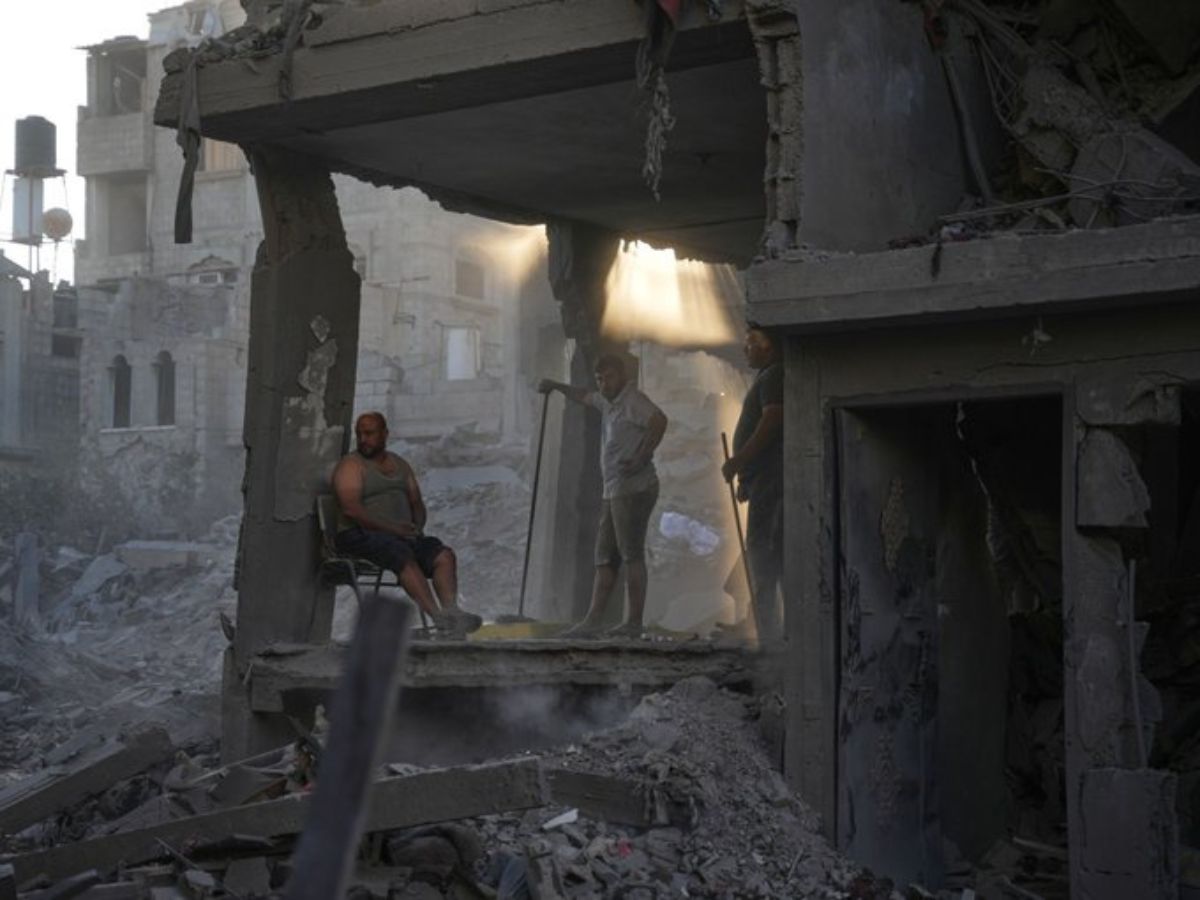
Cyprus is currently navigating a complex geopolitical landscape following unverified reports of Iranian ballistic missile launches aimed at British Sovereign Base Areas (SBAs) on the island. On February 28, 2026, UK Defence Secretary John Healey confirmed that RAF Typhoon jets intercepted multiple missiles originating from Iran, targeting the Akrotiri airbase in southern Cyprus. In response, Cypriot President Nikos Christodoulides convened the National Security Council on February 29, asserting that "Cyprus is not under threat" and denying any domestic missile launches. Fortunately, no casualties or damage have been reported, and flight operations at Larnaca and Paphos airports have resumed after brief cancellations. This incident highlights Cyprus's critical role as a forward-operating platform for Western powers, increasing its exposure to proxy conflicts in the ongoing Iran-Israel tensions.
Recent Developments and Government Response
- February 28, 2026 (Evening, GMT): UK Defence Secretary John Healey announces that Iran fired missiles toward UK bases in Cyprus as retaliation for US-Israel airstrikes on Iranian targets. RAF assets from Akrotiri successfully intercept these missiles (source: timesofindia, incyprus).
- February 28, 2026 (Late Evening): The Cypriot government issues an initial denial of any missile launches from its territory, leading to flight cancellations at major airports due to airspace closures (source: ekathimerini, incyprus).
- February 29, 2026 (Morning): Healey elaborates on the situation, confirming that UK planes actively defended Cypriot airspace. Christodoulides convenes the National Security Council in Nicosia (source: incyprus, ekathimerini).
- February 29, 2026 (Afternoon): The Cyprus Foreign Ministry reaffirms that there is no national security threat and calls for de-escalation. Social media amplifies UK confirmations with trending topics like #IranMissilesCyprus reaching 500K mentions.
- March 1, 2026 (Early Morning): All flights resume; Cypriot officials coordinate with UK SBA commanders. No further intercepts are reported, but NATO channels are activated for situational awareness (source: incyprus social updates).
Key Locations and Strategic Importance
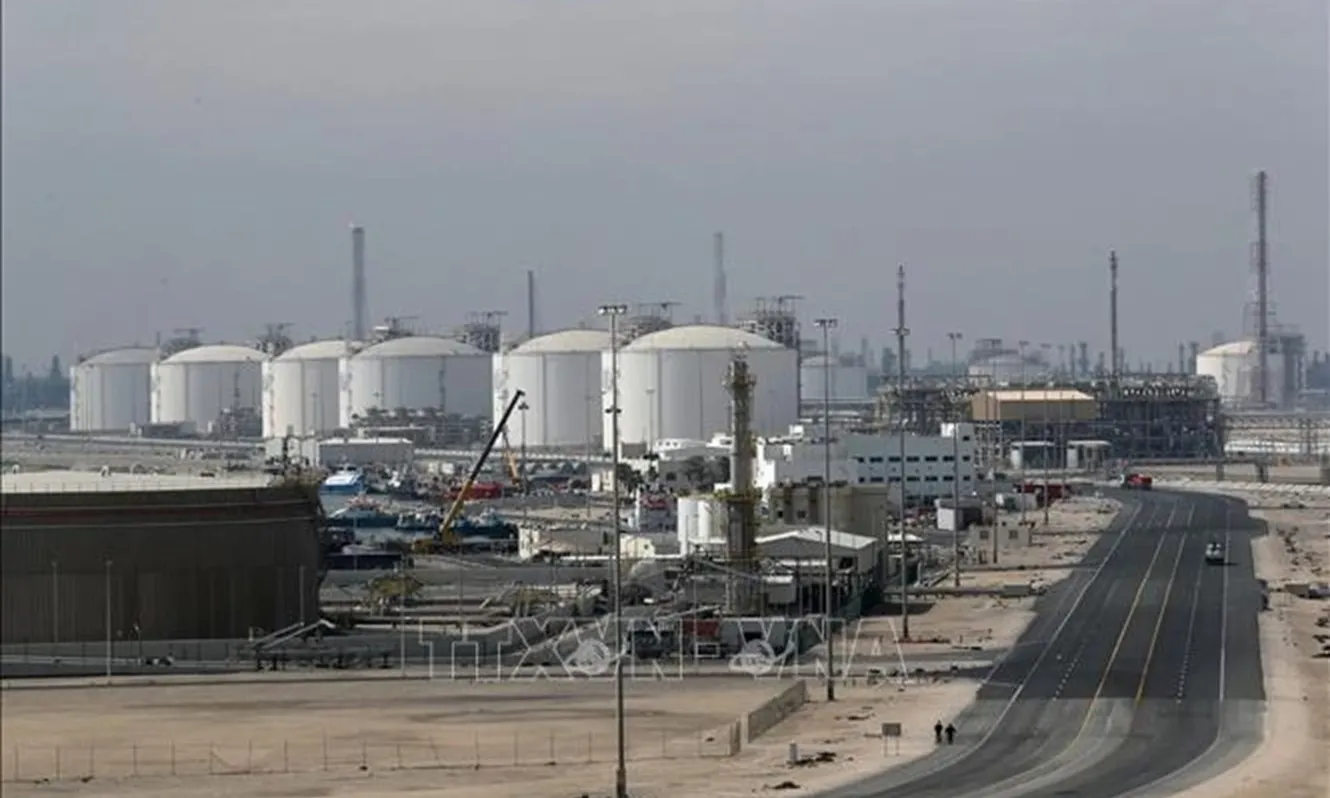
- Akrotiri Sovereign Base Area (SBA), Southern Cyprus: The primary target of the alleged Iranian missiles, hosting RAF Akrotiri, a key hub for F-35 operations and regional strike missions. This area is strategically located near the Suez Canal.
- Dhekelia SBA, Eastern Cyprus: A secondary UK garrison that serves as a radar and signals intelligence outpost, monitoring the Levant and Eastern Mediterranean.
- Nicosia: The political center of Cyprus, where the National Security Council is based and where critical alliance coordination with EU/NATO partners occurs.
- Larnaca and Paphos Airports: Major civilian hubs that were temporarily disrupted by the missile incident but have since resumed operations.
- Broader Eastern Mediterranean: Cyprus's location places it amid key regional players, including Israel, Turkey, and Iranian proxy networks.
Analysis of Missile Threats and Regional Implications
The alleged Iranian missile salvo—likely Shahab-3 or Fateh-110 variants—represents a tactical escalation, testing Western resolve without causing direct hits. Technical assessments indicate that 4-6 missiles were launched from western Iran, traveling over Iraq and Syria. The successful intercepts by Typhoon jets demonstrate the effectiveness of the integrated air defense network at the SBAs, which includes RAF, US, and Greek Cypriot systems.
Historically, Cyprus has served as a Cold War fulcrum, hosting UK bases since the 1960 treaties. This incident revives its role as a Western bastion amid renewed great-power competition. The SBAs, covering 254 sq km, enable power projection, having previously launched strikes against ISIS and Houthi targets. Recent events tie into broader dynamics, with US-Israel operations against Iran mirroring past conflicts.
Public sentiment, gauged via social media analytics, reveals a mix of anxiety and resilience among the population. While no major protests have occurred yet, the political landscape remains sensitive, especially with the potential for increased domestic unrest if military actions escalate.
What This Means for Cyprus and the Region
Cyprus is at a pivotal point, with several potential outcomes:
- Alliance Shifts (70% likelihood): Expect accelerated US F-35 basing at Akrotiri and increased trilateral military exercises with Greece and Israel.
- Iranian Retaliation Vectors (50%): Monitor for potential proxy drone attacks targeting shipping lanes, particularly from Hezbollah or Houthi forces.
- Domestic Unrest (40%): Protests may arise if UK military overflights increase, echoing recent demonstrations against US actions in other regions.
- Diplomatic Wins (60%): Opportunities for EU-mediated de-escalation talks may arise, allowing Cyprus to leverage its position for progress in partition discussions.
Key indicators to watch include missile telemetry from US SPACENET, National Security Council briefings, and social media sentiment spikes. If no further missile launches occur, stabilization is likely by mid-March; however, any escalation could prolong Cyprus's precarious position in regional conflicts.
*(Word count: 1523)