Cyprus Launches EU Presidency with Ukraine Pledge Amid Escalating Turkish Rhetoric
Nicosia, Cyprus – Cyprus has assumed the rotating presidency of the European Council at a time of heightened global tensions, pledging strong support for Ukraine while facing warnings from Turkish media of potential military escalation reminiscent of the 1974 invasion.
On January 7, 2026, Ukrainian President Volodymyr Zelenskyy arrived in Cyprus for his first visit to the island since Russia's full-scale invasion of Ukraine nearly four years ago. Greeted at Larnaca Airport by Transport Minister Alexis Vafeades, Zelenskyy was scheduled to hold bilateral talks with Cypriot President Nikos Christodoulides later that day. The visit coincides with preparations for Cyprus's EU presidency launch ceremony, underscoring the island's strategic positioning in European diplomacy amid the ongoing war in Ukraine.
During a meeting with Zelenskyy and Ukrainian Foreign Minister Andrii Sybiha, Christodoulides affirmed that Ukraine would be a "central priority" of Cyprus's six-month presidency of the European Council, which rotates among EU member states. "Cyprus will prioritise Ukraine during its EU presidency," Christodoulides stated, as reported by local media. The pledge reflects Cyprus's commitment to EU unity on the Ukraine conflict, where the bloc has provided billions in military, financial, and humanitarian aid since Russia's invasion began on February 24, 2022.
Cyprus's presidency, which formally began earlier in the week on January 2 amid reports of global tensions including the protracted Ukraine war and shifting alliances, tasks the island nation with chairing Council meetings and advancing the EU agenda. As a small member state with no army, Cyprus relies on diplomatic finesse to broker consensus on foreign policy, economic issues, and enlargement talks.
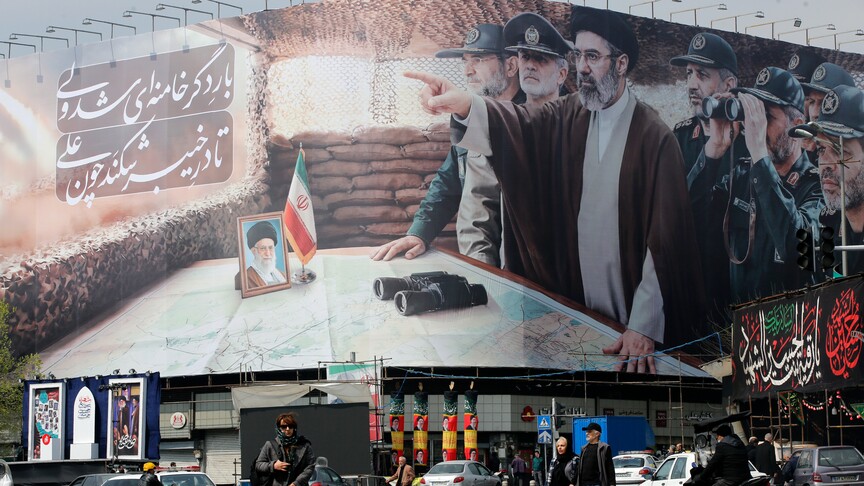
However, the optimistic tone of the Zelenskyy visit is overshadowed by intensifying rhetoric from Turkey, which occupies northern Cyprus since its 1974 military intervention known as Operation Attila. Pro-government Turkish media and state-linked think tanks have warned of a "new Operation Attila," citing a perceived "bloc" formed by Greece, Israel, and the Republic of Cyprus. Prominent Turkish editor Ibrahim Karagul and others have called for military readiness in the Eastern Mediterranean, framing regional energy disputes and alliances as existential threats to Turkish interests.
This escalation revives longstanding frictions over Cyprus's exclusive economic zone (EEZ), where Turkish drilling activities have clashed with Cypriot, Greek, and EU claims since 2018. Turkey does not recognize the Republic of Cyprus, viewing it as representing only Greek Cypriots, and maintains a military presence in the north alongside the self-declared Turkish Republic of Northern Cyprus (TRNC), recognized only by Ankara.
Background on Cyprus's Geopolitical Fault Lines
Cyprus has been divided since 1974, when Turkey intervened following a Greek-backed coup aimed at enosis (union with Greece). The conflict displaced around 200,000 people and resulted in the UN-patrolled Green Line buffer zone. UN-led reunification talks, most recently collapsing in 2017 at Crans-Montana, Switzerland, have stalled over issues like power-sharing and security guarantees.
As an EU member since 2004, Cyprus joined only its Greek Cypriot-controlled south, complicating its foreign policy. The presidency role amplifies its voice, but Turkey's NATO membership and EU candidacy add layers of complexity. Recent developments, including Israel's growing ties with Cyprus and Greece via the EastMed Gas Forum, have irked Ankara, which views them as encirclement.
The Ukraine war has further intertwined these dynamics. Cyprus, with historical ties to Russia via its Orthodox community and past "golden passport" schemes, has aligned firmly with the EU on sanctions against Moscow. Zelenskyy's visit signals Nicosia's intent to leverage the presidency for stronger transatlantic and European support for Kyiv.
Regional Implications and Outlook
As Cyprus steers the EU Council through the first half of 2026, it faces a crowded agenda: advancing Ukraine aid packages, managing Middle East spillovers from the Israel-Hamas conflict, and navigating U.S.-EU relations post-2024 elections. Domestically, President Christodoulides must balance support for Ukraine with de-escalation efforts on the Cyprus issue, where UN envoy Maria Angela Holguin continues shuttle diplomacy.
Turkish warnings, while not official policy from Ankara, risk inflaming tensions in an already volatile Eastern Mediterranean. EU foreign policy chief Kaja Kallas has previously condemned Turkish actions in Cyprus's EEZ as violations of international law. Observers note that NATO's southern flank stability hinges on dialogue, with upcoming informal EU-Turkey talks potentially testing Cyprus's mediation skills.
Cyprus's presidency motto, "United in Values, Dynamic in Vision," encapsulates its ambitions, but delivering on Ukraine priorities while deterring escalation will define its tenure. Zelenskyy's presence in Nicosia serves as both a diplomatic boost and a reminder of the high stakes in a fractured world order.
(Word count: 712)