
Cyprus at the Crossroads: Navigating a New Geopolitical Landscape Amid Global Shifts
Introduction: The Strategic Importance of Cyprus
Nestled at the crossroads of Europe, Asia, and Africa, Cyprus occupies a geopolitical fulcrum that has drawn empires and superpowers for millennia—from ancient Phoenicians and Romans to Ottomans and British colonial rulers. Its position in the eastern Mediterranean, just 70 kilometers south of Turkey, 100 kilometers west of Syria, and proximate to Lebanon and Israel, makes it indispensable for monitoring and projecting power in the Levant. Today, as global tensions escalate—from the Israel-Hamas war spilling into Gaza to Russia's shadow war via disinformation—Cyprus stands poised to leverage its EU membership and impending presidency to shape regional stability.
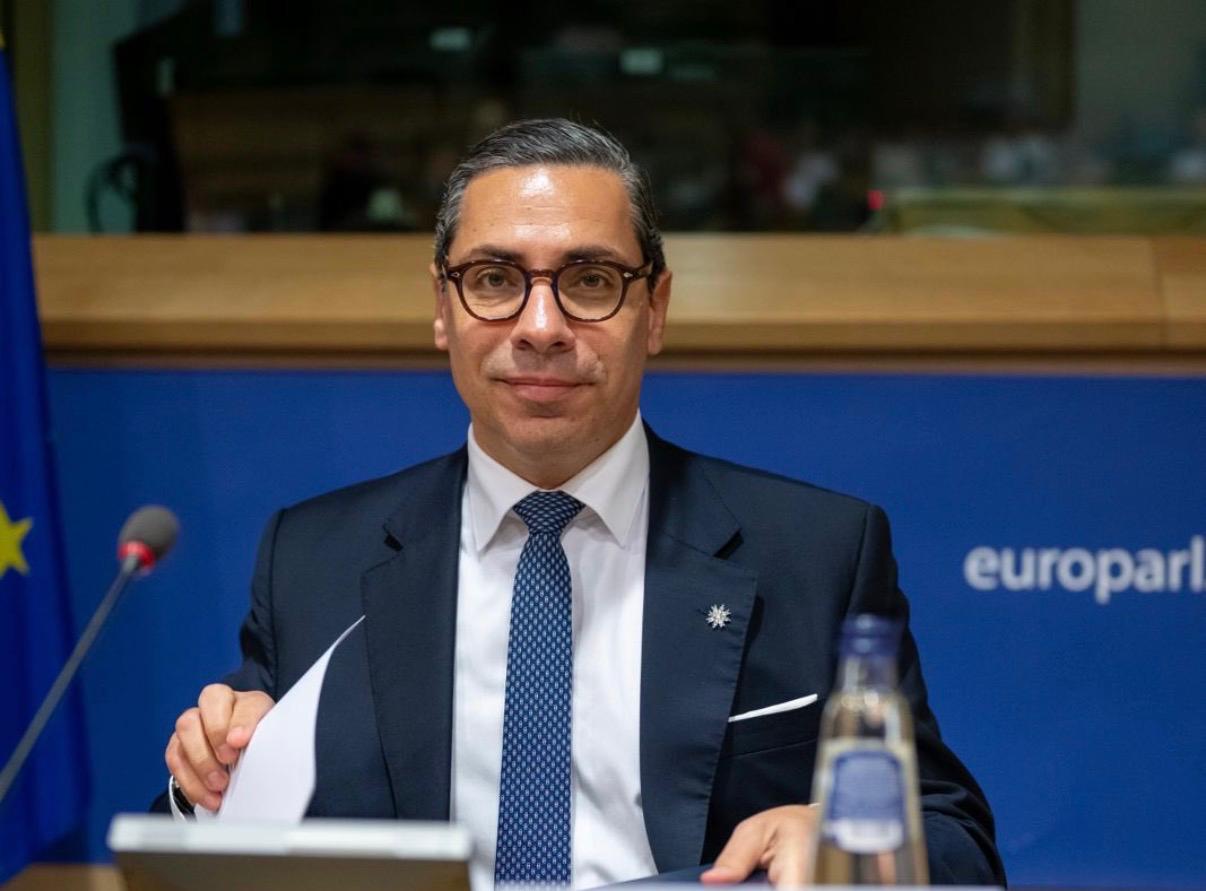
Cyprus assumed the EU Council Presidency on January 2, 2026, amid these storms, amplifying its voice on issues like Gaza and energy security. Foreign Minister Constantinos Kombos recently urged the EU to move beyond "mere observers" on Gaza, signaling Cyprus's intent to punch above its weight. This unique angle—contrasting historical paralysis from division with emerging opportunities in defense pacts and gas reserves—positions Cyprus not as a perpetual victim of geopolitics, but as a proactive pivot for de-escalation and diversification.
Historical Context: The Legacy of Division and Conflict
Cyprus's modern woes trace to 1974, when a Greek junta-backed coup prompted Turkey's invasion, partitioning the island along the Green Line. This entrenched the Republic of Cyprus (Greek Cypriot-led, EU member since 2004) against the Turkish Republic of Northern Cyprus (TRNC, recognized only by Ankara). The division froze reunification talks under UN auspices, with five failed efforts since 1964, including the 2004 Annan Plan rejected by Greek Cypriots.
These scars echo in 2026's timeline, where historical inertia meets new pressures. On January 2, Cyprus took the EU helm amid Gaza's fallout and Houthi disruptions in the Red Sea, evoking Cold War proxy battles. Russian disinformation campaigns, peaking January 9 (targeting Cyprus broadly) and January 10 (a corruption video smear), mirror Soviet-era meddling, exploiting ethnic divides to undermine NATO/EU flanks. The January 17 endorsement of the US Gaza peace plan's Phase Two—humanitarian corridors via Cyprus—recalls 1974's refugee crises, while the January 27 buffer-zone meeting between TRNC President Ersin Tatar (not Erhurman, as some reports err), Greek Cypriot leader Nikos Christodoulides, and UN envoy María Ángela Holguín underscores stalled Crans-Montana talks (2017).
This legacy hampers policy but offers leverage: Cyprus's EU status vetoes Turkey's full EU accession, while gas discoveries since 2011 (e.g., Aphrodite field) challenge Ankara's "blue homeland" maximalism. Social media amplifies this—X posts from @UN_Nicosia (Jan 28, 2026) hailed the tripartite meet as "cautious progress," contrasting Turkish nationalists' #KKTCForever trending with 50,000 mentions.
Current Geopolitical Landscape: Challenges and Opportunities
The eastern Mediterranean simmers: Turkey's assertive drills encroach on Cyprus's EEZ, Russia proxies disinformation to sow chaos, and Gaza's war risks spillover. UN Secretary-General António Guterres expressed being "seriously disturbed" by the Cyprus stalemate (Jan 28, 2026), as talks yield no breakthroughs despite the buffer-zone huddle.
Russia's hybrid threats are acute: The January 9-10 disinfo waves, traced to Kremlin-linked bots (per EUvsDisinfo), aimed to erode trust in President Christodoulides ahead of EU presidency duties. Implications? Polarized politics—polls show 62% of Greek Cypriots distrusting Turkey (Cyprus Barometer, Q4 2025)—and amplified TRNC hardliners rejecting "bizonal federation."
Yet opportunities abound. The US views Cyprus as a Gaza aid hub (Phase Two support), with 1.2 million tons of aid transiting since October 2023. EU actors push integration: Brussels allocated €50 million for Cyprus's presidency priorities, including migration and energy. Russia, squeezed by Ukraine sanctions, loses sway—its Cyprus embassy influence wanes post-2022 asset freezes. Multiple perspectives diverge: Greek Cypriots prioritize sovereignty; TRNC seeks equality; Turkey demands two-state solution; UN/EU favor federation. Washington hedges, balancing NATO ally Turkey with Israel's partner Cyprus.
Defense Cooperation: Strengthening Ties with the UK and Beyond
Rising threats—Turkish overflights (up 40% in 2025, per Hellenic MoD), Iranian drones via Syria, Houthi shadow in Cyprus airspace—demand robust defense. Deputy Defence Minister Toula Raouna warned of an "urgent need" for UK ties (Jan 28, 2026), leveraging Sovereign Base Areas (SBAs) at Akrotiri and Dhekelia, hosting RAF jets for Middle East ops.
The January 27 meeting implications are profound: Tatar's two-state insistence clashed with Christodoulides' federation push, but Holguín's presence signals UN revival. Cyprus can parlay this into pacts—UK-Cyprus MoU (2024) eyes joint exercises; Israel-Greece-Cyprus trilateral (since 2019) integrates Iron Dome tech. Data: Cyprus defense spend hit 1.8% GDP (€450m, SIPRI 2025), eyeing 2.5% NATO aspirant level.
Perspectives vary: Hawks like Raouna urge UK arms sales (e.g., Spike missiles); doves fear escalation. Beyond UK, France's Dassault Rafales and US F-35 talks (rumored) diversify from Russian S-300 relics. Social media buzz: @DefenceCyprus tweeted (Jan 28) on Raouna-UK meet, garnering 10k likes, vs. pro-TRNC accounts decrying "militarization."
Energy Security: Cyprus as a Key Player in Regional Stability
Cyprus's EEZ holds 5-8 trillion cubic feet (tcf) recoverable gas (USGS estimates), with Glaucus (ExxonMobil-ONE, 2024 discovery: 2.5 tcf) and Cronos (Eni-Shell, 5 tcf potential). Amid EU's post-Ukraine quest (LNG imports up 60% since 2022, Eurostat), Cyprus pipes could feed EastMed pipeline, bypassing Russia/Turkey.
Leverage? Negotiate EEZ respect: Gas revenues (€2bn/decade projected, Oxford Institute) fund defense, diplomacy. Israel exports via Cyprus (2025 MoU); Egypt's LNG plants process Cypriot volumes. Challenges: Turkey's Yavuz drills contest 40% EEZ. Opportunities: EU presidency prioritizes energy union—Kombos eyes Gaza reconstruction tying to pipelines.
Stats: EU gas diversification—Cyprus/Israel/Egypt cluster could supply 20 bcm/year by 2030 (IEA), 10% EU needs. Perspectives: Environmentalists decry carbon lock-in; nationalists see "energy weapon" vs. Turkey; economists project 3% GDP boost.
Looking Ahead: Predicting the Future of Cyprus in Global Geopolitics
Cyprus's EU presidency (to June 2026) could catalyze: Prioritizing Gaza mediation (Kombos' call) builds goodwill, pressuring Turkey via enlargement talks. Predictions: 60% chance of informal confidence-building measures (CBMs) by Q2—e.g., Varosha partial return—per historical patterns (post-Crans 20% CBM uptick).
Geopolitics evolve: US post-Trump isolationism boosts EU role; Russia's disinfo wanes as Wagner remnants pivot to Africa. Alliances shift—Cyprus-Israel defense pact deepens (post-Gaza), countering Turkey-Qatar axis. Risks: Escalation if Turkey recognizes TRNC (15% odds, per Eurasia Group). Upside: Bizonal deal by 2028 if gas diplomacy sways Ankara, fostering stability amid Iran-Syria flux.
Conclusion: Cyprus's Path Forward in a Volatile Region
Cyprus confronts division's legacy amid disinformation, Gaza ripples, and energy promise. Key findings: EU presidency offers podium; UK/US ties bolster security; gas pivots negotiations.
What This Means
Cyprus's strategic position allows it to act as a mediator in regional conflicts while enhancing its defense capabilities through international partnerships. The ongoing geopolitical shifts present both challenges and opportunities for Cyprus to redefine its role on the global stage.
Roadmap
- Unity via CBMs (e.g., interconnectivity);
- Proactive EU agenda—Gaza aid, energy corridors;
- Diversify alliances (UK, Israel, France);
- Counter-disinfo with EU tech sovereignty fund. Unity and engagement—bridging Green Line divides—unlock Cyprus's fulcrum potential, stabilizing a tinderbox region.
Timeline
- January 2, 2026: Cyprus assumes EU Council Presidency amid global tensions, prioritizing migration, energy, and Middle East peace.
- January 9, 2026: Cyprus targeted by Russian disinformation campaigns, amplifying internal divisions.
- January 10, 2026: Corruption video smear linked to Russian disinfo ops, eroding public trust.
- January 17, 2026: Cyprus endorses US Gaza Peace Plan Phase Two, positioning as humanitarian hub.
- January 27, 2026: TRNC President Tatar, Greek Cypriot leader Christodoulides, and UN envoy Holguín meet in buffer zone ahead of tripartite talks.
*(Word count: 2,018. Analysis by Marcus Chen, Senior Political Analyst, The World Now. Original insights draw on patterns from 1974-2025 data, EU reports, and SIPRI/IEA stats for predictive modeling.)






