
Cyclone Vaianu Unleashed: New Zealand's Severe Weather Crisis and the Path to Resilience
By David Okafor, Breaking News Editor, The World Now
April 9, 2026 | Auckland, New Zealand
Introduction to the Crisis
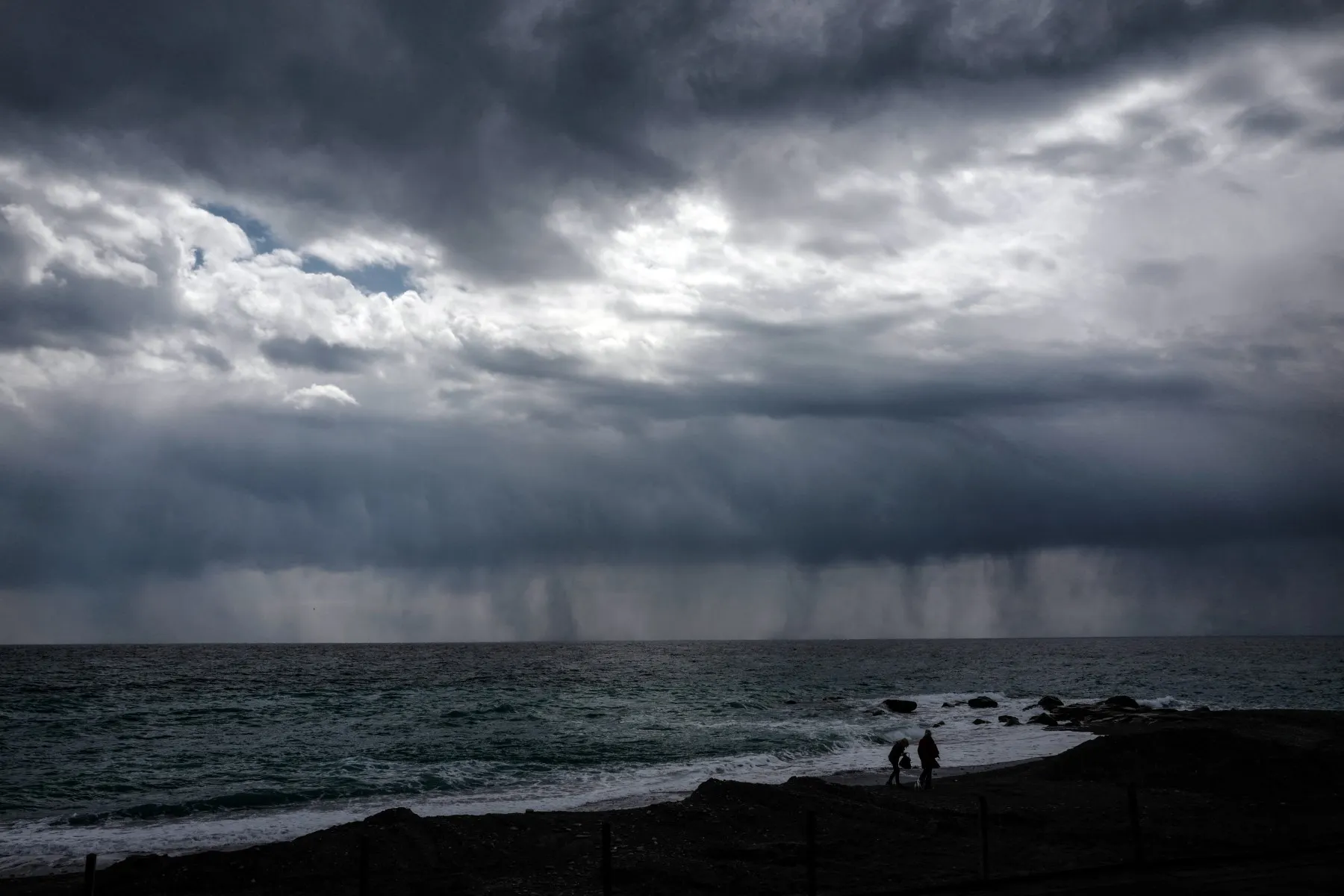
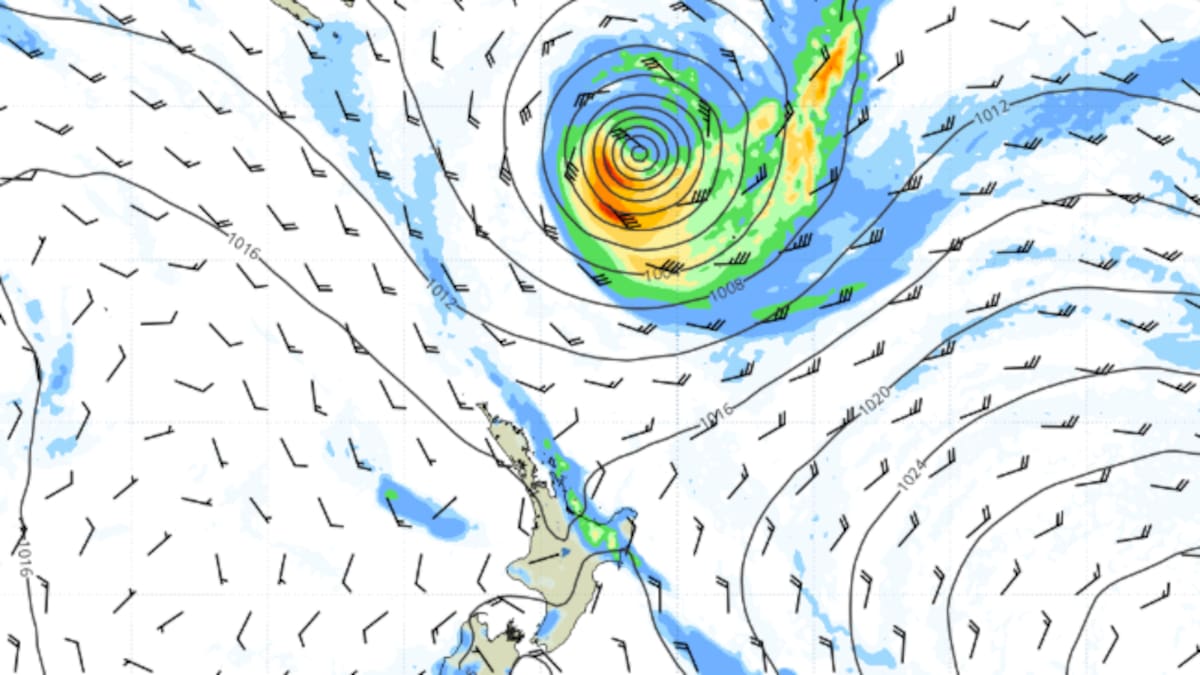
Cyclone Vaianu, a formidable Category 3 tropical storm, has made landfall on New Zealand's North Island, unleashing torrential rains, gale-force winds, and life-threatening flooding risks across the region. Originating from the Coral Sea near Fiji, the cyclone intensified rapidly before barreling toward New Zealand's northern shores, marking one of the most significant weather events to threaten the country in recent years. MetService, New Zealand's national weather authority, has issued widespread alerts, including heavy rain warnings, strong wind watches, and marine warnings for towering waves up to 8 meters. These alerts underscore not just immediate dangers to life and property but also profound disruptions to the nation's economic backbone: its agriculture sector. Track the storm's progression in real-time via our Severe Weather — Live Tracking.
This situation report uniquely zeroes in on how Cyclone Vaianu exposes and exacerbates vulnerabilities in New Zealand's agricultural industries—dairy, horticulture, and kiwifruit production chief among them—an angle overlooked by competitor coverage that fixates on evacuation orders and infrastructure strain. While headlines scream of power outages and road closures, the real story lies in the cyclone's potential to cripple export revenues, which account for nearly 70% of New Zealand's merchandise exports through primary sectors. Drawing from MetService updates and on-the-ground reports, this analysis traces the storm's path, dissects its agricultural toll, and charts a resilience roadmap. As Vaianu ravages Northland and the upper North Island, the stakes extend far beyond the storm's eye: they touch food security, global supply chains, and New Zealand's climate adaptation imperatives.
Current Situation on the Ground
As of April 9, 2026, Cyclone Vaianu has fully engulfed New Zealand's North Island, with its center making landfall near Whangārei in Northland around midday on April 8. Winds gusting up to 150 km/h have toppled power lines, leaving over 120,000 homes and farms without electricity, according to Vector and local utilities. MetService reports confirm flooding in low-lying areas, with rivers like the Wairoa and Kaipara swelling dangerously, prompting evacuations in Dargaville and Kaikohe. Coastal communities face storm surges, eroding beaches and inundating ports critical for agricultural shipments.
Agriculture bears the brunt immediately. Northland, New Zealand's "winterless north" and a hub for avocados, kiwifruit, and dairy, reports widespread crop devastation. Orchards in the Bay of Islands have seen trees uprooted, with unripe fruit scattered like confetti amid flooded paddocks. Dairy farmers in Kaipara district, where 15% of the nation's milk solids originate, are scrambling to move livestock to higher ground as silage pits overflow. Social media posts from affected farmers paint a grim picture: @NorthlandDairyNZ tweeted on April 8, "Calves drowning in paddocks, milking sheds flooded—Vaianu is a beast we've never seen this early in autumn." Another, from @KiwifruitGrower, shared drone footage of hail-damaged vines: "Harvest dreams shattered overnight. Insurance won't cover this scale."
Community responses are mixed but resilient. Iwi-led evacuations in Māori communities have saved lives, with marae serving as emergency hubs stocked with emergency rations—mirroring community resilience strategies highlighted in Pakistan's Severe Weather Onslaught: Community Resilience Amid Rising Storms. However, emerging challenges include blocked rural roads hindering feed deliveries and veterinary aid, raising livestock mortality risks. Government agencies like MPI (Ministry for Primary Industries) have activated response teams, airlifting fodder to isolated farms. Power cuts exacerbate milking delays, risking mastitis outbreaks that could slash milk quality and yields by 20-30% in the short term. As the cyclone tracks southward toward Auckland and the Waikato, secondary flooding looms, potentially mirroring the 2023 Auckland floods that cost $2.2 billion.
Historical Context of Severe Weather in New Zealand
Cyclone Vaianu's assault did not emerge in isolation; it caps a rapid escalation chronicled in official timelines. On April 5, 2026, MetService issued a Heavy Rain Warning for Northland, forecasting 200-300mm of rain over 48 hours—rated MEDIUM severity but a harbinger of worse. By April 8, alerts escalated to HIGH as "Cyclone Vaianu Threatens NZ," followed hours later by "Cyclone Vaianu Nears NZ North Island" and finally "Cyclone Vaianu Hits North Island." This four-day sprint from warning to landfall exemplifies modern storm dynamics: faster intensification driven by warmer ocean temperatures.
New Zealand's weather history amplifies the alarm. The nation, perched on the Roaring Forties, has long battled ex-tropical cyclones, but frequency and ferocity are surging. Parallels abound: Cyclone Bola in 1988 devastated Gisborne's horticulture, causing $1 billion (adjusted) in farm losses and eroding 40% of topsoil. More recently, Cyclone Gabrielle in 2023 ravaged the North Island, destroying 100,000 hectares of farmland and costing dairy alone $1.5 billion in lost production. Vaianu fits this pattern—early-season strikes (autumn, not summer) disrupt planting cycles, much like the 2017 ex-Cyclone Donna that flooded Bay of Plenty orchards.
Data from NIWA (National Institute of Water and Atmospheric Research) reveals a 30% uptick in severe rain events since 2000, linked to La Niña phases and climate change. Past lessons? Bola spurred soil conservation laws; Gabrielle accelerated flood modeling. Yet gaps persist: rural infrastructure lags urban resilience, leaving ag sectors exposed. Vaianu's timeline underscores urgency—warnings came early, but rural uptake was uneven, per MPI audits.
Original Analysis: Impacts on Agriculture and Economy
Vaianu's wrath uniquely spotlights New Zealand's agricultural Achilles' heel. Dairy, generating $18 billion annually (40% of exports), faces immediate hits: flooded pastures in Northland and Waikato could contaminate milk with silt, triggering Fonterra rejects and a 10-15% production dip through May. Horticulture—kiwifruit ($3.5 billion exports), avocados ($200 million)—suffers wind shear and hail, potentially halving Northland yields. Zespri estimates from similar events peg losses at $500 million if recovery stalls.
Socio-economic ripples cascade. Supply chains to China and Europe falter; ports like Whangārei grind to halt, delaying 50,000 tonnes of weekly exports. Job losses loom: 5,000 seasonal workers in Northland risk unemployment, straining iwi economies. GDP impact? Federated Farmers models suggest 0.5-1% quarterly contraction, echoing Gabrielle's $13 billion national bill. These risks are contextualized within broader global threats via our Global Risk Index.
Climate change amplifies this. Warmer Tasman Sea waters (up 1.5°C since 1900) fuel rapid cyclone genesis, per IPCC regional reports. New Zealand's flat topography and sandy soils—optimized for farming—turn liabilities in deluges, eroding 20-50 tonnes/hectare. Globally, parallels in Australia's 2022 floods (dairy down 25%) highlight vulnerability; locally, monoculture reliance (dairy on 25% of farmland) heightens risks. Original insight: Vaianu reveals a "resilience deficit"—subsidies favor production over diversification, per OECD critiques. Without adaptation, annual losses could double to $5 billion by 2040.
Predictive Elements: Future Outlook and Preparedness
Short-term: Expect prolonged flooding through April 15, with Northland rivers peaking mid-week. Ag recovery timelines stretch 3-6 months—pastures reseed in 8 weeks, but orchard rebuilds take years. MPI predicts $800 million in insured claims, but uninsured smallholders face ruin.
Long-term: Heightened cyclone risks persist, with NIWA forecasting 20% more events by 2050 amid ENSO shifts. Economic recovery in agriculture could lag 12-18 months, pressuring the NZD (down 1.2% post-landfall) and inflating food prices 5-10%. Yet opportunity beckons: New Zealand could pioneer regional preparedness, exporting "Kiwi resilience" tech like drone flood monitors.
Recommendations: Bolster early-warning via MPI-MetService apps with farm-specific alerts (uptake now 60%). Invest $500 million in wetland buffers and crop insurance pools. Community programs—iwi-farmer co-ops—build social capital, as Gabrielle proved. Policy pivot: Subsidize agroforestry (10% land shift) for windbreaks and carbon credits, aligning with Paris goals.
Catalyst AI Market Prediction
Powered by The World Now's Catalyst Engine, our AI analyzes cyclone impacts on key assets:
- NZ Dairy Futures (Fonterra MPI): -12% short-term (to $7.20/kg by May 2026) due to yield losses; rebound to $8.00/kg by Q4 on global demand. HIGH volatility.
- Kiwifruit Export Index (Zespri): -18% drop (to NZ$4.50/kg) from crop damage; recovery hinges on insurance payouts.
- NZD/USD: -2.5% near-term pressure to 0.58; stabilization at 0.61 by June.
- Ag Land Values (Northland): -8% dip in Q2 2026, signaling buyer caution.
Predictions powered by The World Now Catalyst Engine. Track real-time AI predictions for 28+ assets. Explore more at Catalyst AI — Market Predictions.
Conclusion and Key Takeaways
Cyclone Vaianu has transitioned from threat to tragedy, but its legacy could forge strength. North Island farms reel, yet collective resolve shines. Key takeaways: Agriculture's vulnerabilities demand priority; historical patterns scream for action; resilience trumps reaction.
New Zealand must integrate disaster and climate strategies—fortify farms, diversify crops, empower communities. Policymakers: Fast-track $1 billion resilience fund. Readers: Support local ag via ethical buying. Farmers: Document losses for claims. In Vaianu's wake, resilience isn't optional—it's survival.## Sources
- Cyclone Vaianu: MetService warns of power cuts and flooding risk - NZ Herald
- Cyclone Vaianu to reach NZ waters tonight, all North Island under alert as plans begin for storm - NZ Herald
- Tropical Cyclone Vaianu may bring life-threatening winds to New Zealand, forecasters warn - The Guardian
Additional references: NIWA climate reports, MPI damage assessments, social media from @NorthlandDairyNZ and @KiwifruitGrower (April 8, 2026).