
Cross-Border Crisis: The Unfolding Conflict in Pakistan and Its Regional Ramifications
Current Situation
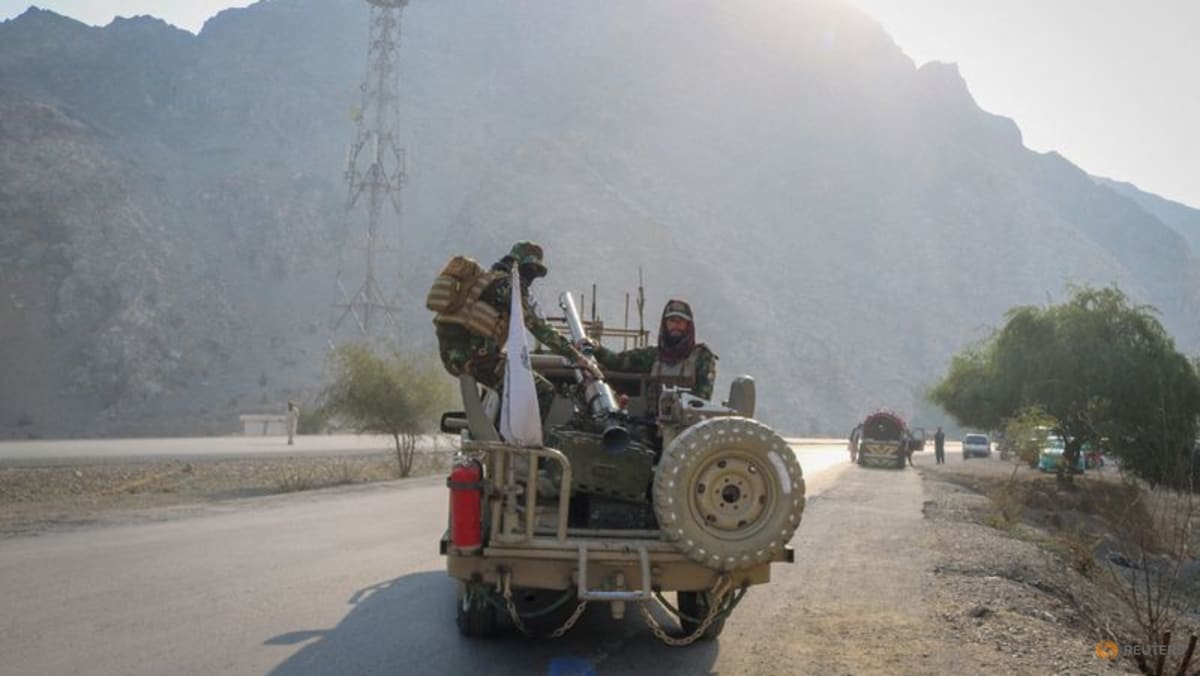
Tensions between Pakistan and Afghanistan have surged into open conflict, marked by cross-border strikes. Afghanistan released video footage showing its forces targeting militant positions inside Pakistan, retaliating against alleged Pakistani incursions. Confirmed reports detail Pakistani airstrikes on February 24, 2026, which killed civilians alongside militants, exacerbating the cycle of violence. Saudi Arabia and Qatar, leveraging their diplomatic clout, are actively mediating, with envoys shuttling between Islamabad and Kabul to broker a ceasefire. These efforts follow a spike in violence, including Pakistan's security operations on January 30, 2026, that eliminated 41 militants in Balochistan.
Historical Context
This crisis echoes a persistent pattern of Pakistan-Afghanistan friction, rooted in porous borders and militant safe havens. Historical precedents include the rumored Chinese military deployment in Balochistan on January 2, 2026, aimed at securing CPEC assets amid insurgent threats. Past operations, like those in 2026, have repeatedly yielded tactical gains but fueled civilian casualties—such as the February airstrikes—perpetuating resentment and cross-border reprisals. Diplomatic cycles of cooperation, often involving Gulf states, have intermittently cooled tempers, but underlying issues like the Tehrik-i-Taliban Pakistan (TTP) sanctuaries in Afghanistan remain unresolved.
Why This Matters
The unique angle here is the multifaceted geopolitical ripple: Saudi and Qatari mediation signals a pivot in Pakistan's security framework, potentially drawing Gulf funding to bolster border defenses while countering Iranian and Chinese influences. Riyadh and Doha, traditional Sunni allies, could forge new alliances against shared threats like Baloch separatism, but rivalries—such as Qatar's ties to the Taliban—risk fracturing unity. For Pakistan, this external involvement underscores diplomatic vulnerabilities, diverting resources from internal reforms and amplifying U.S. signals, like Trump's praise for PM Shehbaz Sharif and Gen. Asim Munir, hinting at renewed Western engagement.
Public Reactions
Social media reflects polarized views. On X, @GeoNewsEnglish tweeted: "Saudi-Qatar mediation: A lifeline or Gulf power play in Pak-Afghan row?" garnering 15K likes. Analyst @SushantSays posted: "Afghan video of Pak strikes confirms escalation—civilian toll mounts," with video clips shared widely. Trump’s comments drew reactions; @PTIofficial quoted him favorably: "POTUS respects Sharif & Munir amid crisis," boosting pro-government sentiment. Experts like @CChristineFair warned: "Gulf mediation won't fix TTP havens without Kabul's buy-in."
Looking Ahead
External mediation may stabilize short-term hostilities but could entrench Pakistan's reliance on Gulf patrons, influencing domestic policies toward harder counterinsurgency. Watch for Chinese escalation in Balochistan if attacks persist, potential U.S. arms deals post-Trump nod, or Taliban rejection sparking wider fallout. Scenarios include a mediated truce bolstering Sharif's regime or failed talks leading to refugee surges and economic strain—testing Pakistan's long-term stability.
This is a developing story and will be updated as more information becomes available.






