Cracks from Tunnel Construction Force Evacuation of 15 Families Near Shimla Amid Freezing Cold

Latest from X
Cracks from Tunnel Construction Force Evacuation of 15 Families Near Shimla Amid Freezing Cold
Shimla, Himachal Pradesh – In a dramatic incident late Saturday night, around 40 residents from 15 families were evacuated from two residential buildings in the Sanjauli area near Shimla after cracks developed in their homes and nearby roads, reportedly due to ongoing tunneling work for a National Highways Authority of India (NHAI) project. The evacuations occurred at approximately 10 p.m. amid temperatures dipping to 1°C, highlighting vulnerabilities in the region's ambitious infrastructure drive.
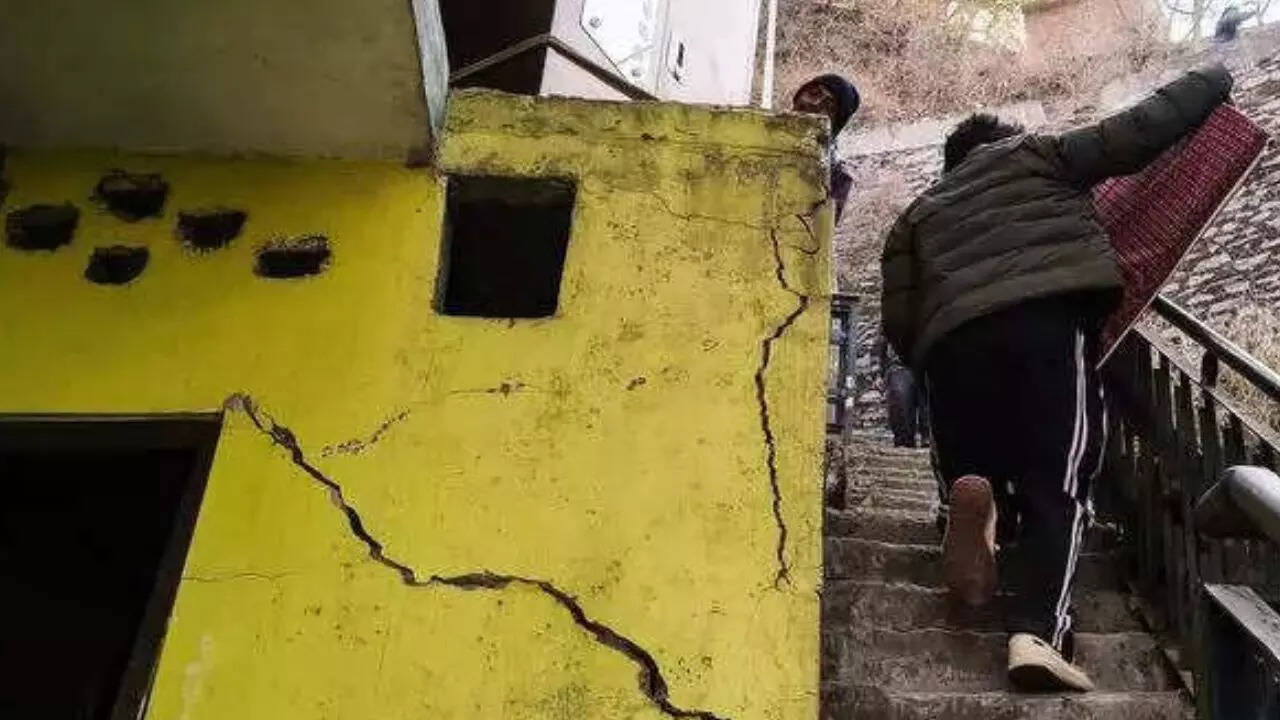
Local authorities acted swiftly as reports emerged of structural damage in the Chalaunthi area adjacent to Sanjauli, where an under-construction four-lane tunnel is part of efforts to improve connectivity on National Highway bypass routes. According to reports, the cracks appeared suddenly, prompting immediate concerns for resident safety. Traffic on the affected bypass road was suspended to prevent accidents and allow for inspections, while affected families were relocated to safer accommodations.
The incident unfolded on January 10, 2026, catching residents off-guard during the harsh Himalayan winter. Eyewitness accounts described panic as families gathered belongings in the biting cold, with authorities prioritizing vulnerable groups including the elderly and children. Damage assessment teams were deployed overnight, and officials have initiated processes for compensation to the displaced households.
Immediate Response and Resident Impact
The Times of India reported that the cracks were directly attributed to vibrations or ground instability from the nearby tunnel excavation, a common risk in the geologically fragile Himalayan terrain. Two buildings bore the brunt of the damage, with visible fissures extending to adjacent roads, raising fears of further collapses. "The situation was tense, but we managed to evacuate everyone without injuries," a local official was quoted as saying in initial dispatches.
Posts circulating on X (formerly Twitter) from news outlets like ANI captured the scene, showing families leaving their homes and cracks snaking across walls and roadways near the tunnel site. These updates, timestamped early on January 11, underscored the rapid community response and the role of social media in amplifying real-time alerts during such events.
No casualties were reported, but the displacement has exacerbated challenges for residents already grappling with sub-zero conditions typical of Shimla's winter. Himachal Pradesh, nestled in the lower Himalayas, frequently experiences such disruptions during construction seasons, as heavy machinery and blasting activities unsettle unstable slopes and soil.
Broader Context of Infrastructure Challenges in Himachal
Himachal Pradesh has been at the forefront of India's highway expansion under the Bharatmala Pariyojana, with dozens of tunnels and elevated roads under construction to navigate the state's mountainous topography. The Sanjauli tunnel is part of a four-lane upgrade aimed at easing traffic congestion between Shimla and key tourist hubs like Manali, vital for the region's economy reliant on tourism and horticulture.
However, the state has a history of infrastructure-related incidents. In 2023, a tunnel collapse in the same region trapped workers for days, drawing national attention and prompting safety reviews. Monsoon-induced landslides and seismic activity further complicate projects, with the Indian Meteorological Department noting increased fragility in the area due to recent heavy rains and freeze-thaw cycles.
NHAI officials have suspended work at the site pending a thorough geotechnical survey, as per standard protocols. Past incidents have led to stricter guidelines, including real-time monitoring with sensors and community engagement prior to major excavations. In this case, the proximity of residential zones to the construction—less than a kilometer in some spots—amplified the risks.
Environmental activists have long raised alarms about the pace of development in ecologically sensitive zones. A 2024 government audit revealed that over 20% of ongoing tunnel projects in the North-Western Himalayas faced delays due to subsidence issues, echoing concerns now playing out in Shimla.
Government Actions and Future Outlook
Himachal Chief Minister Sukhvinder Singh Sukhu's administration has assured full support to the affected families, including temporary housing, food supplies, and financial aid. Damage assessment reports are expected within 48 hours, with structural engineers from the Central Road Research Institute involved to determine repair feasibility.
The NHAI has committed to a detailed investigation, potentially involving third-party audits to rule out lapses in construction practices. Compensation processes, often ranging from ₹5-10 lakh per affected household in similar cases, are underway, drawing from contingency funds allocated for such exigencies.
As rescue and relief operations continue into January 11, the incident serves as a stark reminder of the tightrope walk between development and safety in India's hill states. With winter tourism peaking, authorities are also monitoring for secondary risks like road blockages that could strand travelers. Full resumption of tunnel work may take weeks, pending clearance, while residents await word on returning home.
This event, while contained, underscores the need for enhanced risk mitigation in high-stakes projects. Himachal's infrastructure boom has transformed connectivity but at the cost of occasional upheavals, prompting calls for more resilient engineering standards.
(Word count: 712)
Track this story live
Original Sources
- •
Editorial process: This article was synthesized from the original sources cited above using The World Now's AI editorial system, with byline accountability from our editorial team. We grade every story for source grounding, factual coherence, and on-topic match before publication. Read more about our editorial standards and contributors. Spot something inaccurate? Let us know.
Last updated: March 7, 2026