
Strike Lebanon hits Beirut southern suburbs after Hezbollah rockets target Haifa area
Israel's government ordered strikes on Beirut's southern suburbs in response to Hezbollah rocket and drone attacks, marking the latest phase of strike lebanon operations amid ongoing cross-border exchanges. The decision came as Hezbollah targeted areas including the outskirts of Haifa, prompting immediate Israeli action on the southern suburbs of the Lebanese capital.
New Strikes Ordered on Beirut Suburbs
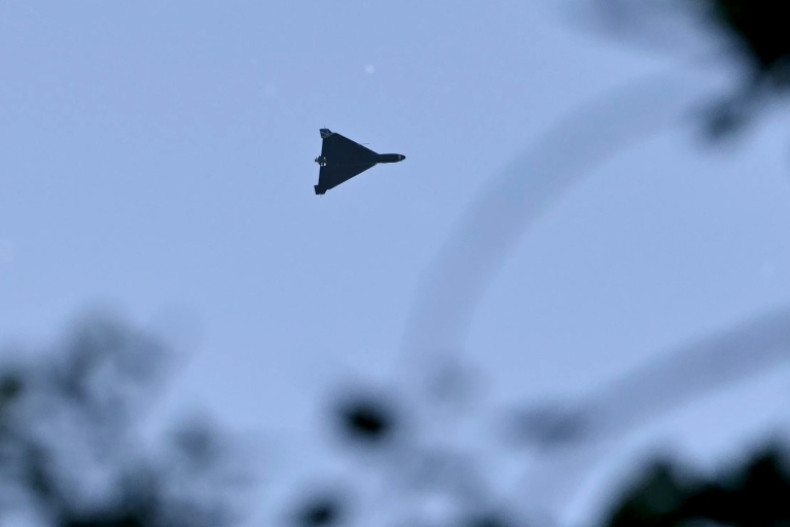
Israel’s government ordered strikes on the southern suburbs of Beirut on Monday in direct response to Hezbollah rocket and drone attacks on northern Israel. [1] [2] This move follows earlier warnings and aligns with the broader pattern of strike lebanon activity that has intensified in recent days. Sources confirm the strikes were authorized after Hezbollah launched projectiles toward civilian areas in northern Israel, including locations near Haifa. [5] The action underscores the rapid escalation as both sides exchange fire across the border, with Israeli officials citing the need to neutralize threats from Hezbollah positions embedded in urban zones.
The strikes on Beirut's southern suburbs represent a targeted escalation ordered at the highest levels of the Israeli government. Multiple reports detail how the decision was made swiftly following the rocket barrages, reflecting the immediate security concerns driving the response. [1] [2] Officials emphasized that the operations aim to disrupt Hezbollah's launch capabilities while minimizing wider regional spillover, though the proximity to populated areas raises ongoing concerns about civilian impact.
Israeli Ground Advance in Lebanon
Netanyahu ordered the strikes a day after Israeli ground forces reached their deepest point in Lebanon in 26 years. [2] [4] This advance has positioned Israeli troops further into Lebanese territory than at any time since the previous major operations two decades ago, creating a new frontline dynamic that complicates efforts at de-escalation. The incursion provides context for the timing of the Beirut suburb strikes, as ground operations and aerial responses proceed in tandem.
Israeli forces have maintained pressure through this deepened presence, which coincides with the resumption of strikes on Beirut's southern suburbs. [4] The advance marks a significant shift in the operational scope, allowing Israeli units to engage Hezbollah infrastructure at closer range while supporting the overall strike lebanon framework. Reports indicate the move was part of a coordinated strategy that pairs ground maneuvers with air operations to address rocket threats originating from southern Lebanon.

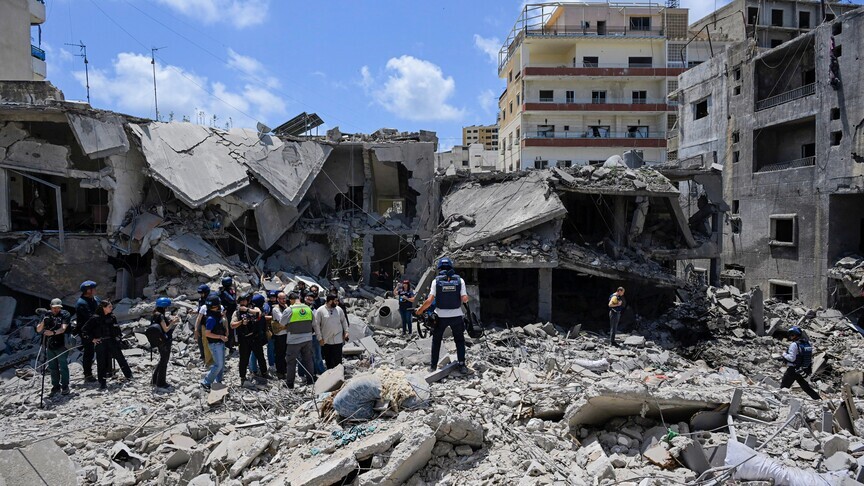
Israeli strikes target Beirut's southern suburbs after Hezbollah rocket attacks on northern Israel. — Source: france24
Hezbollah Rocket Attacks
Hezbollah fired rockets at northern Israel including the outskirts of Haifa, triggering the Israeli decision to order strikes on Beirut's southern suburbs. [1] [2] [5] These attacks involved both rockets and drones aimed at civilian and military targets in the north, prompting a swift governmental response to restore deterrence. The barrage on areas around Haifa highlighted Hezbollah's ongoing capacity to reach deeper into Israeli territory, directly linking the rocket fire to the subsequent orders for strikes.
The sequence of Hezbollah launches at northern Israel, including Haifa's outskirts, served as the immediate catalyst for the Beirut operations. [5] Israeli authorities described the projectiles as violations that necessitated preemptive measures against launch sites and command structures in Lebanon. This pattern of attacks has sustained the cycle of retaliation, with each Hezbollah volley met by expanded Israeli targeting in the southern suburbs and beyond.
Casualties in Southern Lebanon
12 people were killed in Israeli strikes on southern Lebanon. [3] The deaths occurred amid continued ceasefire violations, adding to the cumulative toll that has exceeded 3,400 fatalities in Lebanon since March according to the Health Ministry. These figures reflect the sustained intensity of operations across multiple fronts, where strikes have repeatedly impacted communities in the south.
The reported casualties underscore the human cost tied to the exchanges, with the latest deaths occurring in the context of the broader strike lebanon campaign. [3] Lebanese health authorities continue to track the rising numbers, noting that violations have persisted despite earlier understandings aimed at limiting the scope of fighting.
International Reactions
The UN Security Council is expected to hold an emergency meeting. [4] Iran warned that Israeli attacks threaten the ceasefire with the US. [1] These developments signal growing diplomatic pressure as the conflict extends beyond bilateral exchanges, with the emergency session intended to address the deepening incursions and renewed strikes on Beirut suburbs.
Iran's warning highlights the risk that continued Israeli operations could undermine the fragile US-brokered arrangements, potentially drawing in additional regional actors. [1] Meanwhile, the planned UN meeting reflects international efforts to contain the situation before further ground advances or suburban strikes alter the dynamics permanently.
What to watch next: The UN Security Council emergency meeting and any follow-up to Iran's warning on the US ceasefire will be key indicators of whether diplomatic channels can influence the pace of Israeli strikes on Beirut's southern suburbs or Hezbollah's rocket responses.