Conflict Lebanon: Ceasefire Takes Effect Amid Netanyahu's Statements on Ongoing Threats
In the ongoing conflict Lebanon, a ceasefire between Israel and Hezbollah in Lebanon has taken effect, but Israeli Prime Minister Netanyahu states that Israel's mission against Hezbollah is not over.[1] This development marks a temporary pause in hostilities that have defined the region for weeks, yet leaders on multiple sides have already signaled persistent challenges ahead.
Ceasefire Overview
The ceasefire between Israel and Hezbollah came into effect at midnight, halting weeks of escalating cross-border fighting that had intensified tensions along the Lebanon-Israel border.[4][5] This agreement provides a much-needed respite to Lebanon, where celebrations have erupted in the wake of the fighting's suspension, though significant obstacles to ensuring its longevity persist.[2] Reports indicate that the truce is structured as a 10-day period, a timeframe that underscores its provisional nature amid a backdrop of mutual distrust between the parties involved.[4]
Implementation of the ceasefire has been closely monitored, with immediate attention turning to compliance on both sides. The halt in hostilities follows a period of intense exchanges, including rocket fire and airstrikes, which had displaced communities and strained Lebanon's already fragile infrastructure. While the exact terms brokered remain partially opaque, the midnight start time served as a clear demarcation point, allowing for an initial assessment of adherence in the hours and days following.[5] Lebanon's population, long accustomed to intermittent violence, views this break as a critical breathing space, yet analysts note that historical precedents in the region suggest such truces can be fleeting without robust enforcement mechanisms.[2]
The broader context of the ceasefire's rollout highlights the diplomatic efforts that preceded it, though details on mediators are sparse in immediate reporting. For Lebanon, the cessation brings immediate relief to civilian areas battered by the conflict, potentially enabling humanitarian aid distribution and basic services resumption. However, the agreement's success hinges on de-escalation in southern Lebanon, a hotspot for confrontations, where proximity between Hezbollah positions and Israeli forces has repeatedly tested boundaries.[4][5] This overview of the ceasefire's basic facts reveals a delicate balance, where the midnight activation has quieted the immediate sounds of war but not the underlying strategic calculations driving the conflict Lebanon.[2]
Statements from Key Figures
Israeli Prime Minister Benjamin Netanyahu has been forthright in his assessment of the ceasefire, declaring that Israel's "mission" against Hezbollah remains unfinished despite the truce.[1] In his statements, Netanyahu emphasized plans to address lingering threats, specifically mentioning the remaining rocket and drone capabilities posed by Hezbollah, though he declined to provide specifics on intended actions.[1] This position comes even as former U.S. President Donald Trump has reportedly committed to prohibiting further Israeli attacks on Lebanon, adding a layer of international pressure to Netanyahu's rhetoric.[1]
French President Emmanuel Macron has similarly weighed in, characterizing the ceasefire as fragile and warning that it "may already be undermined" due to reported violations in southern Lebanon.[4] Macron's comments reflect France's longstanding interest in Lebanese stability, given its historical ties and diaspora connections, positioning Paris as a vocal observer of the truce's early viability.[4] These pronouncements from Netanyahu and Macron illustrate divergent perspectives: Israel's focus on proactive threat neutralization versus France's emphasis on preservation of the hard-won pause.[1][4]
Netanyahu's remarks, delivered in the immediate aftermath, signal that Israel views the ceasefire not as an endpoint but as a tactical interlude, potentially allowing time for regrouping or targeted operations against Hezbollah's arsenal.[1] Macron, on the other hand, urges restraint, highlighting the risks of escalation if early infractions spiral. Together, these statements from key figures frame the ceasefire's future as contingent on disciplined adherence, with Netanyahu's forward-looking stance injecting uncertainty into what many hoped would be a pathway to de-escalation.[1][4]
Reported Violations and Risks
Accounts of potential breaches have surfaced almost immediately after the ceasefire's implementation, casting doubt on its stability. The Lebanese army has reported Israeli violations, prompting concerns that the truce could unravel swiftly.[5] French President Macron echoed these worries, noting reports of incidents in southern Lebanon that threaten to undermine the fragile agreement just hours into its duration.[4]
These early reports detail actions that contravene the ceasefire's terms, though specifics on the nature or scale of violations remain limited in initial dispatches. Southern Lebanon, a densely militarized zone with Hezbollah strongholds, has been the focal point, where even minor incursions could provoke retaliatory cycles.[4][5] The Lebanese army's monitoring role underscores Beirut's commitment to upholding the truce domestically, yet its reports highlight asymmetries in enforcement capabilities compared to Israel's advanced surveillance and response systems.[5]
The risks are compounded by the ceasefire's short 10-day span, designed perhaps as a trial period but inherently vulnerable to testing by either side.[4] Macron's assessment that it "may already be undermined" points to a precarious equilibrium, where mutual accusations could erode trust before diplomatic channels solidify gains.[4] In this environment, the fragility is not merely logistical but perceptual, as each reported violation reinforces narratives of bad faith, potentially shortening the window for meaningful progress.[4][5]
Ongoing Threats and Context
Persistent security threats loom large over the ceasefire's prospects, with Netanyahu explicitly citing Hezbollah's residual rocket and drone capabilities as unfinished business for Israel.[1] These weapons systems have been central to the conflict Lebanon, enabling Hezbollah to project power across the border and prompting Israeli preemptive measures throughout the escalation.[1]
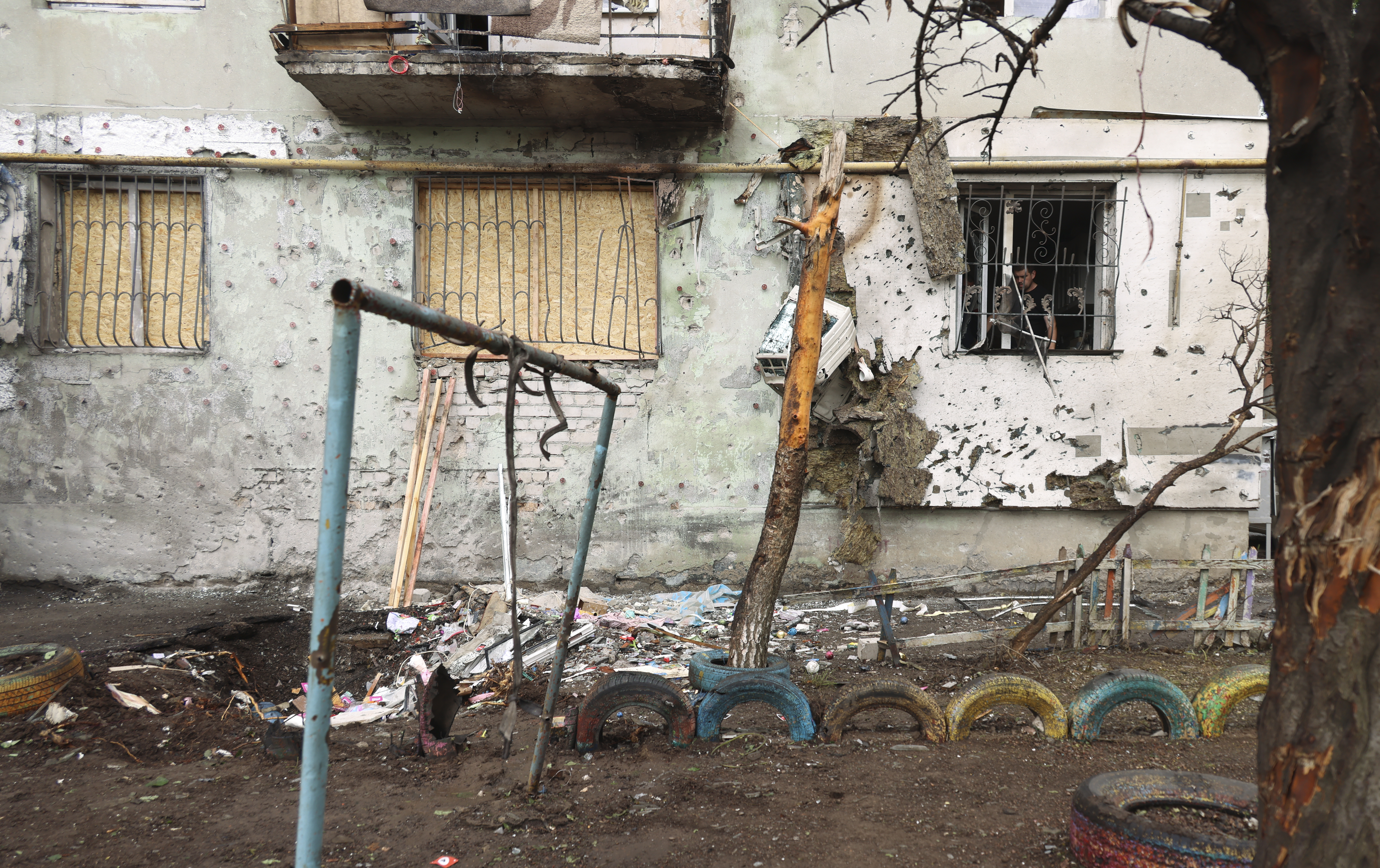
Broader context from monitoring efforts reveals a pattern of threats and violence in vulnerable areas, including Lebanon, where incidents at IDP and refugee camps have been documented extensively.[3] Between January 2020 and February 2026, over 8,385 such incidents were tracked globally, with camps damaged or destroyed in more than 5,000 cases, including in Lebanon.[3] This data underscores the human cost of instability, where aid sites become targets or collateral in wider hostilities, amplifying the stakes for any truce.[3]
Netanyahu's reference to drone threats aligns with Hezbollah's evolving arsenal, which has incorporated unmanned systems to evade traditional defenses, sustaining pressure on Israel even during lulls.[1] In Lebanon's context, these ongoing threats intersect with displacement crises, as camp incidents highlight how conflict ripples into civilian safe havens.[3] The combination paints a picture of enduring vulnerabilities that no ceasefire fully erases without addressing root capabilities, setting the stage for potential flare-ups if disarmament lags.[1][3]
International Implications
The ceasefire's ripples extend beyond Lebanon, touching on regional dynamics such as maritime security. Iran's Foreign Minister has stated that the Strait of Hormuz remains open following the truce's activation, signaling no immediate linkage to broader disruptions despite Tehran's alliance with Hezbollah.[5] This assurance comes amid the midnight ceasefire start, suggesting that while local violations occur, wider escalations into Persian Gulf tensions have been averted for now.[5]
France's involvement, through Macron's warnings, reflects European stakes in preventing a wider conflagration that could draw in multiple actors.[4] The truce's international implications thus hinge on containment, with statements like Iran's indicating a desire to compartmentalize the Lebanon-focused hostilities.[5] Overall, these developments point to a tentative stabilization that spares key chokepoints like the Strait, though the fragility noted by observers tempers optimism for sustained regional calm.[4][5]
What to watch next: Observers will monitor Lebanese army reports on further violations, Netanyahu's outlined plans against rocket and drone threats, and any escalation in southern Lebanon that could test the 10-day truce's limits.[1][4][5]