Conflict in Mali: Rebels Seize Kidal Following Russian Withdrawal
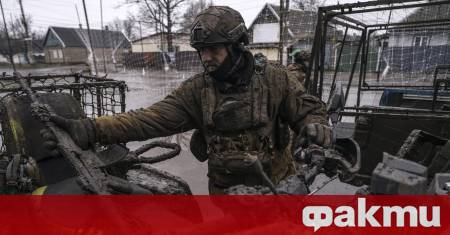
In the ongoing conflict in Mali, rebels have seized the northern city of Kidal following the withdrawal of Russian forces, amid accusations of betrayal from Malian officials.[1] This development has intensified the nation's security challenges, with coordinated attacks across the country resulting in the death of Mali's defence minister and strikes near the capital, highlighting significant vulnerabilities in the military's defenses.[1][2] Jihadist and Tuareg rebel forces have since taken control of multiple towns and military bases, while Russia has urged a swift return to peace after suffering casualties, and the United Nations has voiced deep concern, calling for international support.[2][3][4][5]
Overview of the Attacks
The coordinated attacks that rocked Mali over the weekend marked a significant escalation in the country's instability, exposing deep cracks in its security apparatus.[2] These sweeping operations, carried out by jihadist fighters and rebel groups, targeted strategic positions held by the junta, including military bases and towns across various regions.[2][3] Among the most devastating outcomes was the killing of Mali's defence minister, a high-profile loss that underscored the boldness and coordination of the assailants.[1] Strikes also reached areas near the capital, Bamako, further demonstrating the attackers' ability to project force deep into government-controlled territory.[1]
Local sources and allies of regional governors confirmed the scale of these assaults, which overwhelmed junta defenses and paved the way for rapid territorial gains by the rebels.[3] The attacks' simultaneity across the country suggests meticulous planning, likely exploiting intelligence gaps and overstretched military resources.[2] In the immediate aftermath, Mali found itself reeling, with the government struggling to respond effectively to the multifaceted offensive.[2] This sequence of events not only resulted in key losses for the authorities but also amplified fears of a broader unraveling of state control in vulnerable northern and central areas.[1][2][3]
The timing of these strikes, just ahead of the Russian withdrawal from Kidal, added a layer of complexity, as they appeared to coincide with shifts in foreign military support.[1] Analysts reviewing the incidents point to the attacks' role in weakening junta positions nationwide, creating opportunities for insurgents to consolidate gains in the chaos.[3] The exposure of these security vulnerabilities has prompted questions about the junta's preparedness and reliance on external partners, setting the stage for further rebel advances.[2]
Seizure of Kidal
The fall of Kidal, a strategic northern stronghold, directly followed the withdrawal of Russian paramilitaries on Tuesday, allowing jihadist and Tuareg rebel forces to move in unchallenged.[1][3] This key town, long a flashpoint in Mali's northern conflicts, was swiftly secured by the rebels after the coordinated nationwide attacks diminished junta capabilities.[3] Local sources and an ally of the local governor reported that jihadists and Tuareg separatists now hold firm control, marking a major setback for Bamako's efforts to maintain authority in the restive north.[3]
The Russian pullout from Kidal appears to have been a pivotal factor, creating a power vacuum that the rebels exploited with precision.[1] Prior to the withdrawal, the city had been a focal point for foreign-backed operations against insurgent groups, but the sudden departure left Malian forces exposed and unable to mount a defense.[1][3] The seizure underscores the town's enduring importance as a hub for separatist activities and jihadist operations, given its position in the Azawad region historically contested by Tuareg groups.[3]
This takeover has deepened Mali's crisis, as Kidal's capture not only boosts rebel morale but also provides them with a base for potential further incursions.[1] The events highlight the fragility of military alliances in the region, where foreign troop movements can dramatically alter frontline dynamics.[1][3]
Accusations of Betrayal
Malian officials have leveled sharp accusations of betrayal against Russian forces in the wake of Kidal's fall.[1] A senior official, speaking to RFI, explicitly stated that the Russians had "betrayed" Bamako by withdrawing from the northern city, thereby enabling the jihadist and Tuareg rebels to seize it.[1] This claim came amid the broader context of coordinated attacks that killed the defence minister and targeted sites near the capital, suggesting to critics that the timing of the pullout was suspiciously aligned with the insurgents' momentum.[1]
The official's remarks reflect growing frustration within the Malian government over its dependence on Russian paramilitaries, who had been deployed to bolster operations against rebels and jihadists.[1] By framing the withdrawal as an act of disloyalty, Bamako has signaled strained relations with its key ally, potentially complicating future cooperation.[1] These accusations amplify the political fallout from the attacks, portraying the Russian exit as a abandonment at a critical juncture when Malian forces were already reeling from losses.[1]
International Responses
Russia has responded to the escalating violence in Mali by calling for the rapid restoration of peace, particularly after sustaining casualties in the recent attacks.[4] This statement from Moscow emphasizes urgency in stabilizing the situation, acknowledging the toll on its forces while advocating for de-escalation amid the rebel advances.[4]
Separately, the United Nations Secretary-General has expressed "deep concern" over the weekend's attacks, highlighting their severity and the risks they pose to regional stability.[5] The UN has called for international assistance to address the crisis, urging global partners to support efforts in countering the jihadist and rebel offensives.[5] These reactions from major international actors underscore the transnational implications of Mali's instability, with both Russia and the UN focusing on pathways to peace and external aid.[4][5]
Broader Security Situation
Mali's security landscape has been laid bare by the coordinated attacks, which have exposed persistent cracks in the nation's defenses against jihadist fighters and rebel groups.[2] Over the weekend, these forces seized multiple towns and military bases, illustrating the junta's challenges in maintaining control over expansive and hostile terrain.[2] The sweeping nature of the operations points to underlying issues, including limited troop deployments, logistical strains, and the insurgents' growing operational sophistication.[2]
This latest wave of violence fits into a pattern of ongoing threats that have plagued Mali for years, where jihadist networks and ethnic rebels exploit governance vacuums to expand influence.[2] The attacks' success in overrunning key sites reveals how security vulnerabilities can cascade into territorial losses, further eroding state authority.[2] As the country grapples with these repercussions, the broader context suggests that without addressing these foundational weaknesses, similar incursions could recur, perpetuating the cycle of instability.[2]
What to watch next: Observers will monitor Russia's push for rapid peace restoration following its casualties[4] and the UN's appeal for international assistance amid the attacks,[5] as these could shape the trajectory of Mali's response to the rebel gains.