
Conflict in Mali: Joint Rebel Offensive Leads to Fall of Kidal
In the escalating conflict in Mali, Islamists and Tuareg rebels have launched a joint offensive, leading to the capture of the northern town of Kidal and significant setbacks for Russian forces, including the loss of a town and a helicopter.[1][5]
Overview of the Current Conflict
The ongoing conflict in Mali has intensified with a coordinated joint offensive by Islamist groups and Tuareg rebels targeting the ruling junta and its allied Russian forces.[1] This surge in violence marks a critical escalation in the region's long-standing instability, where separatist aspirations and jihadist ambitions have converged to challenge central authority.[5] The fall of Kidal, a strategic northern town, underscores the rebels' ability to execute synchronized attacks, compounding the pressures on Mali's military and its foreign supporters.[5] Russian involvement, once seen as a stabilizing force for the junta, now faces dual challenges as these groups exploit vulnerabilities in the north.[1] The offensive highlights the complex interplay of local grievances and ideological warfare, with immediate territorial gains for the attackers disrupting the fragile balance of power.[1][5] As combat rages, the joint nature of the operation—combining jihadist fighters with Tuareg separatists—signals a tactical alliance aimed at overwhelming government positions, raising broader concerns about the sustainability of Mali's security apparatus amid multiple fronts.[1][5]
Recent Attacks and Losses
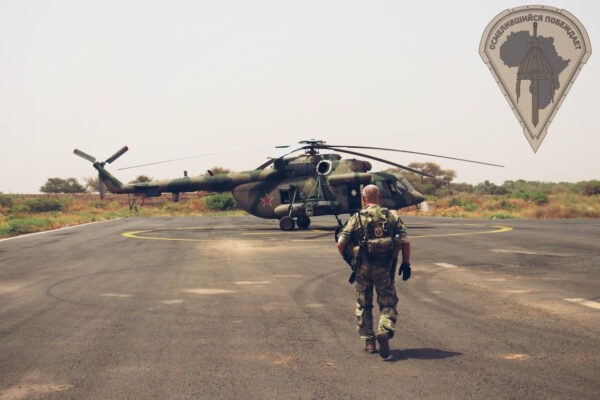
Recent attacks in the conflict in Mali have delivered a severe blow to Russian-backed forces, culminating in the loss of a key town and a helicopter.[1] The strategic northern town of Kidal fell to coordinated assaults by jihadist fighters and Tuareg separatists, representing a major territorial setback for the junta.[5] This offensive not only resulted in the death of Mali's defence minister but also exposed the limitations of Russian military support in the region.[5][1] The helicopter loss further illustrates the intensity of the engagements, where rebels have effectively neutralized air assets critical for troop mobility and reconnaissance.[1] These events reflect a pattern of escalating combat, with the joint offensive catching defenders off guard and leading to rapid advances in the north.[1][5] The capture of Kidal, long a flashpoint in separatist struggles, amplifies the strategic implications, as it provides rebels with a stronghold from which to launch further operations.[5] Russian forces, stretched thin, have suffered these losses amid broader commitments, underscoring the challenges of maintaining influence in Mali's volatile north.[1]
Background on Involved Groups
Tuareg rebels have a storied history of fighting for independence in northern Mali, with the Azawad Liberation Front (FLA) emerging as a key player in the latest wave of attacks.[2] The FLA represents the most recent iteration of Tuareg rebellions, rooted in longstanding demands for autonomy in the Azawad region, a vast desert area that Tuaregs consider their homeland.[2] These groups have periodically risen against central government control, viewing the north as distinct from Mali's southern-dominated power structures.[2] In the current conflict, the FLA's involvement alongside Islamists demonstrates a pragmatic alliance, where separatist goals align temporarily with jihadist offensives against the junta.[2] This partnership leverages the Tuaregs' intimate knowledge of the terrain and their enduring resistance networks, honed through decades of insurgency.[2] The FLA's role amplifies the rebels' operational capacity, blending ethnic separatism with broader anti-government momentum in the north.[2]
Impact on Security and Daily Life
The surge in violence has prompted Mali to suspend flights, severely disrupting air travel and deepening the country's security crisis.[3] Airlines have halted operations in response to the wave of attacks, leaving airports idle and stranding passengers amid heightened risks.[3] This measure reflects the immediate threat to civilian aviation, as rebel advances and ongoing combat create unsafe conditions across key routes.[3] The flight suspensions exacerbate isolation in the north, where towns like Kidal are already cut off, complicating humanitarian aid and commercial movement.[3] Broader security concerns have intensified, with the regional instability now spilling over into everyday logistics and economic activity.[3] Families and businesses face prolonged disruptions, as the violence erodes confidence in safe passage and amplifies fears of further territorial losses.[3] This development signals a deepening crisis, where the joint offensive not only challenges military lines but also undermines the basic infrastructure supporting daily life in Mali.[3]
Responses from Key Parties
Mali's Prime Minister Abdoulaye Maiga has urged citizens not to give in to panic following the fall of Kidal and the death of the defence minister.[5] In a public address, Maiga emphasized resilience amid the coordinated attacks by jihadist fighters and Tuareg separatists, aiming to steady public morale as the government reassesses its position.[5] On the international front, Russia has called for a swift return to peace and stability in Mali, responding to the escalating violence from jihadist and separatist groups.[4] Moscow's statement underscores its stake in the conflict, particularly after suffering losses including a town and a helicopter, while advocating for de-escalation amid its broader engagements.[1][4] These responses highlight a dual approach: domestic calls for calm from Malian leadership and diplomatic pressure from Russia for resolution, though the effectiveness remains uncertain against the rebels' momentum.[4][5]
What to watch next: Further developments in the joint offensive could determine whether rebels consolidate control over Kidal and other northern areas, while government and Russian responses may shape the path to stability or prolonged instability.[1][4][5]