Conflict in Lebanon: Netanyahu States Israel's Mission Against Hezbollah Continues Despite Ceasefire
In the ongoing conflict in Lebanon, Israeli Prime Minister Benjamin Netanyahu has stated that Israel's mission against Hezbollah is not over despite the ceasefire with Lebanon, indicating plans to address remaining threats such as rocket and drone capabilities, which he declined to detail.[1]
Overview of the Ceasefire
A ceasefire between Israel and Hezbollah in Lebanon took effect at midnight, bringing a temporary halt to weeks of fighting.[2][5] The agreement has provided respite to Lebanon, where the end of hostilities is being celebrated following prolonged cross-border exchanges.[2] However, the ceasefire's implementation has been marred by immediate reports from the Lebanese army of Israeli violations.[5]
Key Statements from Leaders
Israeli Prime Minister Benjamin Netanyahu emphasized that despite the ceasefire, Israel's objectives against Hezbollah persist, including measures against remaining rocket and drone threats, even amid U.S. President Trump's commitments to prevent further attacks on Lebanon.[1] French President Emmanuel Macron described the 10-day ceasefire—effective at midnight on Thursday after escalating cross-border fighting—as fragile and potentially already undermined.[4] Separately, Iran's Foreign Minister confirmed that the Strait of Hormuz remains open following the Lebanon ceasefire.[5]
Reported Violations and Risks
Reports of violations in southern Lebanon have emerged shortly after the ceasefire's start, prompting warnings about its stability.[4] The Lebanese army has specifically reported Israeli violations since the agreement took effect at midnight.[5] French President Emmanuel Macron highlighted these incidents as evidence that the ceasefire may already be at risk of collapsing.[4]
Challenges to Sustained Peace
While the ceasefire has delivered temporary respite to Lebanon, significant obstacles to achieving lasting peace remain.[2] Ensuring the halt to weeks of fighting endures will be difficult amid ongoing tensions.[2]
Broader Context of Incidents
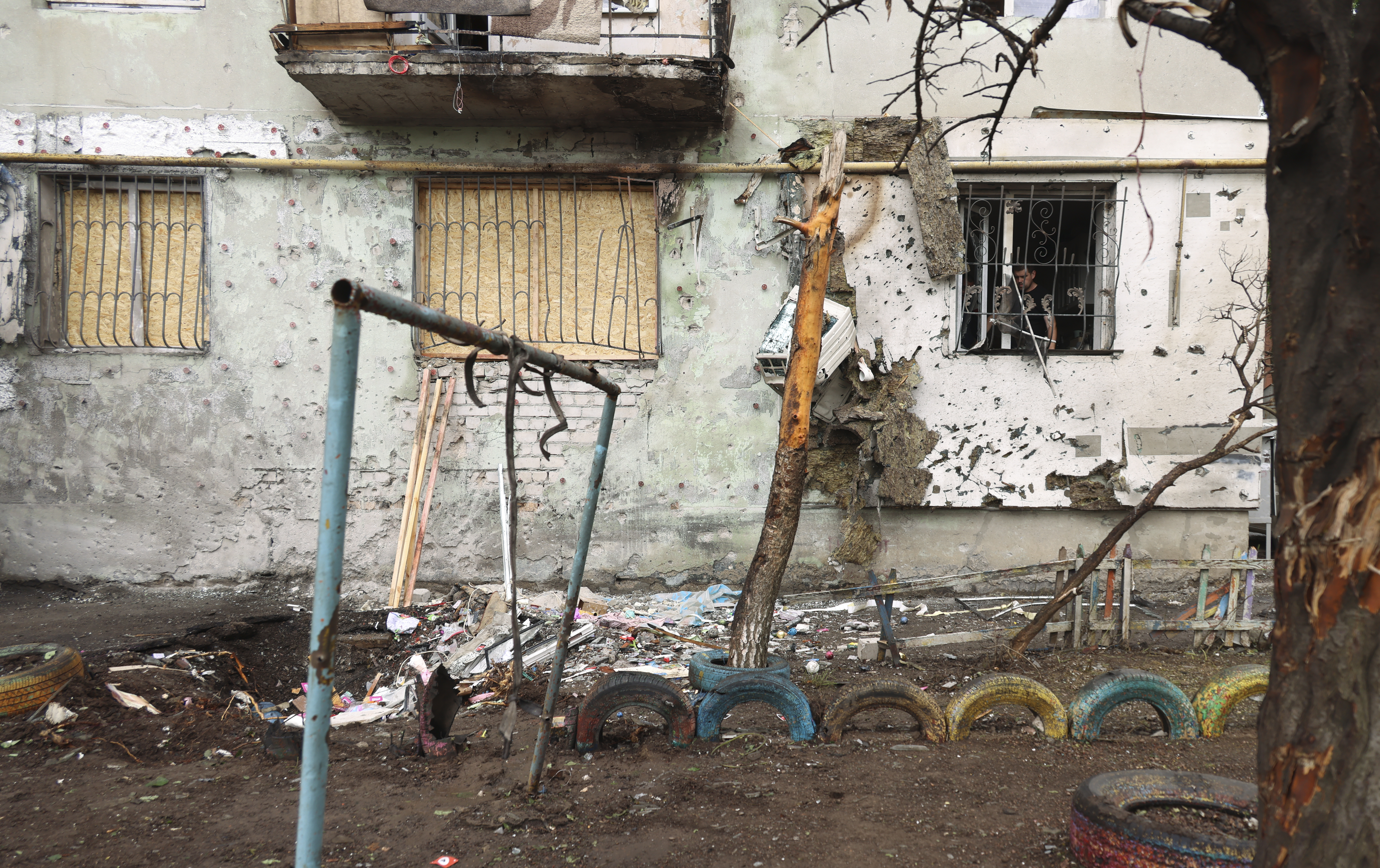
Security incidents in Lebanon form part of a wider pattern tracked in global monitoring efforts. Insecurity Insight’s Protection in Danger open-source monitoring identified 8,385 incidents of threats and violence at IDP/refugee camps, including temporary and makeshift shelters, between January 1, 2020, and February 2026.[3] Lebanon is among the countries referenced in these reports, where camps were damaged or destroyed in 5,058 occasions during this period.[3]
What to watch next: Observers will monitor reports of further violations in southern Lebanon, Netanyahu's plans for remaining threats from Hezbollah, and whether the ceasefire holds amid persistent obstacles to peace.[1][2][4][5]
(Word count: 612)