Conflict in Lebanon: Ceasefire Takes Effect Amid Netanyahu's Warnings of Ongoing Mission
In the ongoing conflict in Lebanon, Israeli Prime Minister Benjamin Netanyahu has declared that Israel's mission against Hezbollah remains unfinished even after a ceasefire with Lebanon took effect.[1] This statement comes amid celebrations of respite in Lebanon following weeks of intense fighting, though significant hurdles persist to making the truce endure.[2] Early reports of violations have already cast shadows over the agreement, with international leaders expressing concerns about its fragility.[4][5]
Ceasefire Implementation
The ceasefire between Israel and Hezbollah in Lebanon officially began at midnight on Thursday, marking the end of weeks of escalating cross-border fighting that had gripped the region.[4][5] For many in Lebanon, this development has brought a much-needed pause, with residents celebrating the halt to the violence that had defined recent weeks.[2] The agreement, described as a 10-day truce, has provided immediate relief to a population weary from the intensity of the exchanges, allowing for a tentative return to normalcy in affected areas.[4]
However, the implementation has not been without immediate challenges. Lebanon's army quickly reported instances of Israeli violations shortly after the ceasefire came into effect, signaling potential cracks in the arrangement from the outset.[5] This respite, while welcomed, underscores the precarious nature of the halt in hostilities. Sources indicate that ensuring the ceasefire lasts will prove difficult, given the deep-seated obstacles rooted in the protracted nature of the conflict.[2] The cessation of fighting has allowed for initial stabilization efforts, but the underlying tensions that fueled the escalation remain unresolved, complicating long-term adherence.[2][5]
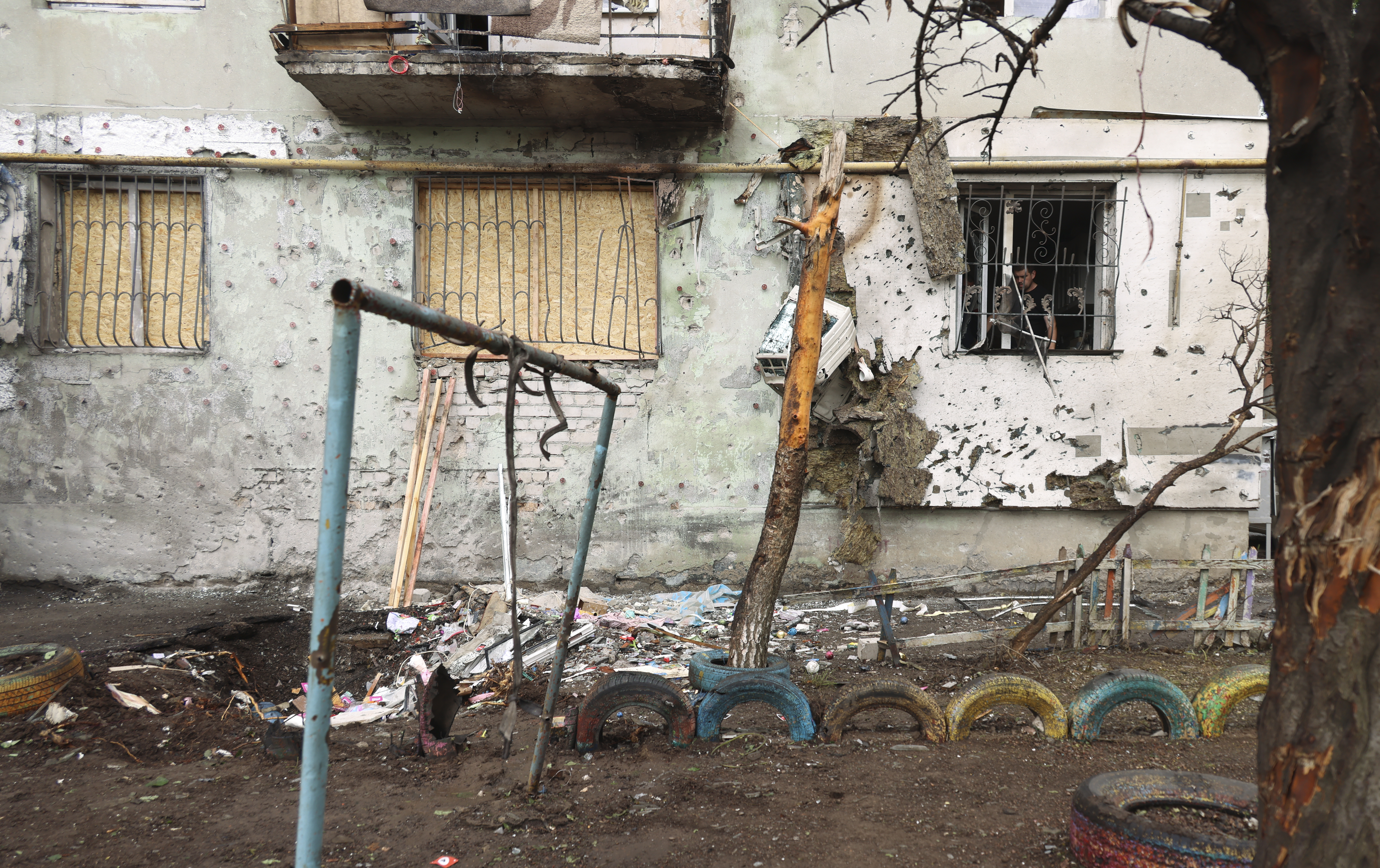
In Lebanon, the ceasefire's arrival has been met with cautious optimism. Communities that endured relentless barrages now face the task of rebuilding amid uncertainty, with the truce serving as a fragile bridge between phases of confrontation.[2] The midnight start time symbolized a clean break from the immediate past, yet the rapid emergence of violation reports highlights how quickly momentum can shift back toward confrontation.[5] This initial phase of implementation thus reflects a delicate balance, where celebration coexists with vigilance.[2]
Israeli Statements
Israeli Prime Minister Netanyahu has been unequivocal in his assessment of the ceasefire's implications for Israel's security posture. Despite the truce with Lebanon, he stated that Israel's "mission" against Hezbollah is far from concluded.[1] Netanyahu emphasized ongoing threats, noting specific plans to address the remaining rocket and drone capabilities posed by the group, though he declined to provide details on these measures.[1]
This position comes even as former U.S. President Donald Trump has committed to preventing further Israeli attacks on Lebanon, adding a layer of international pressure to the dynamic.[1] Netanyahu's comments signal that Israel views the ceasefire not as an endpoint but as a tactical pause in a broader campaign. The persistence of Hezbollah's arsenal, particularly in terms of rockets and drones, remains a focal point for Israeli strategy, justifying continued vigilance and potential future actions.[1]
In the context of the conflict in Lebanon, these statements from Netanyahu reinforce Israel's determination to neutralize perceived existential threats from Hezbollah, regardless of temporary ceasefires. The premier's remarks suggest that military objectives tied to dismantling the group's offensive capabilities will drive policy, potentially straining the truce's longevity.[1] This stance positions Israel as prioritizing long-term security over immediate de-escalation, a perspective that could influence how the ceasefire evolves.[1]
International Concerns
Global leaders have voiced apprehensions about the ceasefire's sustainability almost immediately after its activation. French President Emmanuel Macron warned that the fragile agreement "may already be undermined," pointing to reports of violations in southern Lebanon as evidence of its vulnerability.[4] This assessment from Macron, a key figure in regional diplomacy, underscores the high stakes involved in maintaining the truce amid ongoing tensions.[4]
The 10-day duration of the ceasefire amplifies these concerns, as it frames the agreement as a short-term measure rather than a comprehensive resolution.[4] Macron's statement reflects broader international worries that the hard-won pause could collapse under the weight of mutual distrust and sporadic infringements, reigniting the cycle of escalation.[4] Such warnings from France highlight the diplomatic efforts required to bolster the ceasefire, including monitoring mechanisms and enforcement protocols.[4]
These international perspectives add pressure on both Israel and Hezbollah to adhere strictly to the terms, with global actors prepared to intervene if violations proliferate. The emphasis on southern Lebanon as a hotspot for breaches illustrates the geographic focus of these concerns, where cross-border dynamics remain most volatile.[4]
Reported Violations
Early reports of ceasefire breaches have emerged swiftly, with the Lebanese army documenting Israeli violations following the midnight implementation.[5] These incidents, occurring in the immediate aftermath, have fueled doubts about the agreement's robustness and prompted official responses from Lebanese authorities.[5]
Complementing these reports, French President Macron referenced similar violations in southern Lebanon, suggesting that the truce faces existential risks from non-compliance.[4] The concentration of these breaches in southern Lebanon points to the area's strategic sensitivity, where Hezbollah's presence and Israeli operations have long intersected.[4][5]
Such violations, even if limited in scope, carry significant implications for trust-building between the parties. The Lebanese army's prompt reporting indicates an active monitoring effort, aimed at holding violators accountable and preserving the ceasefire's integrity.[5] Internationally, these developments validate concerns that the agreement could unravel without stricter oversight, as initial infringements set precedents for further escalations.[4]
Broader Context
Amid the ceasefire's rollout, ongoing monitoring of violence in Lebanon reveals a landscape marked by persistent threats. Open-source tracking by organizations like Insecurity Insight has documented thousands of incidents involving threats and violence at displacement and refugee camps worldwide, including in Lebanon, spanning from January 2020 through February 2026.[3] In Lebanon specifically, these reports encompass a range of protection-related dangers, with camps suffering damage or destruction in numerous cases as part of the monthly news brief for March 2026.[3]
This broader pattern of insecurity provides critical context for the current ceasefire, illustrating how violence in Lebanon fits into a global trend of humanitarian challenges in conflict zones.[3] The data, covering multiple countries including Lebanon alongside others like the Democratic Republic of the Congo and occupied Palestinian territory, highlights the scale of incidents—8,385 threats and violence events at camps up to early 2026, with over 5,000 resulting in damage.[3] In Lebanon's case, such monitoring underscores the necessity of sustained vigilance to protect vulnerable populations even during truces.
Additionally, Iran's Foreign Minister has confirmed that the Strait of Hormuz remains open in the wake of the Lebanon ceasefire, dispelling fears of broader regional disruptions tied to the conflict.[5] This assurance comes as part of statements following the midnight truce, linking Middle Eastern flashpoints while affirming navigational continuity.[5]
What to watch next: Observers will monitor reports of further violations in southern Lebanon, Netanyahu's outlined plans against remaining Hezbollah threats, and efforts to extend the 10-day ceasefire amid persistent obstacles to lasting peace.[1][2][4][5]