
Colombia Braces for Instability Following Maduro's Removal as Petro Escalates Rhetoric Ahead of Trump Summit
Bogotá, Colombia – Colombia is on high alert for potential political turmoil and a surge in Venezuelan refugees after the U.S.-backed removal of Nicolás Maduro from Venezuela's presidency earlier this month, even as President Gustavo Petro intensifies diplomatic tensions ahead of a high-stakes meeting with U.S. President Donald Trump.
The abrupt ouster of Maduro on January 3, 2026, has sent shockwaves across South America's northern Andes, prompting Colombian authorities to prepare for border instability, violence spillover, and mass migration. With a severity rated as medium by regional monitors, the situation underscores longstanding frictions between Colombia and its eastern neighbor, exacerbated by years of Venezuela's economic collapse and political repression under Maduro's 11-year rule. Now, as Petro—a leftist leader historically sympathetic to Maduro—positions himself for talks with Trump, the region teeters on the edge of broader geopolitical friction.
Petro's Bold Warnings Heighten Regional Anxieties
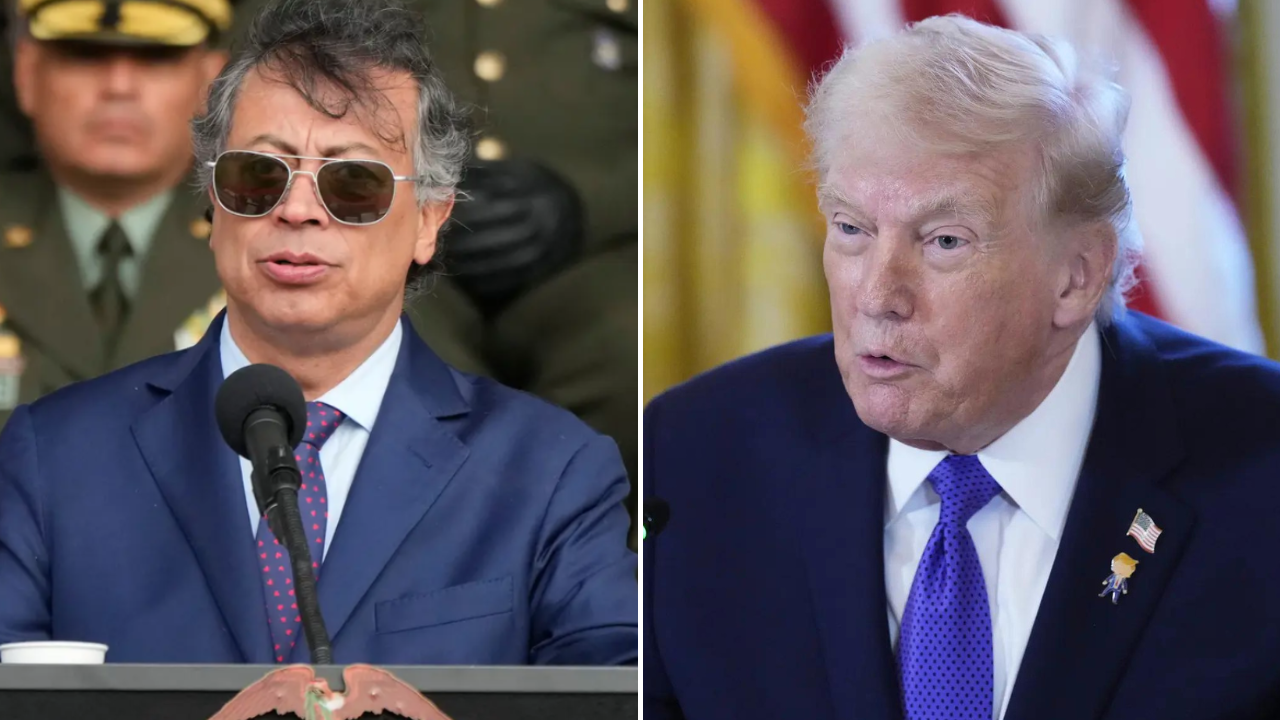
Colombian President Gustavo Petro has dramatically raised the stakes in the lead-up to his anticipated meeting with Trump, framing the discussions as a bulwark against "world war." According to reports from Times of India, Petro's rhetoric signals a concerted effort to avert escalation into global conflict, amid a South America already rattled by Venezuela's leadership vacuum. Published on January 10, 2026, the coverage highlights how Petro's statements are amplifying concerns across the continent, with neighboring countries watching closely for signs of diplomatic breakthroughs or breakdowns.
Petro's approach comes at a precarious moment. Maduro's removal—executed through U.S. intervention—has dismantled a key pillar of the Bolivarian regime that Petro once supported during his 2022 campaign. Colombia, which shares a 1,800-mile porous border with Venezuela, has long borne the brunt of the crisis: over 2.8 million Venezuelan migrants have crossed into Colombia since 2018, straining resources and fueling social tensions. Officials in Bogotá are now bracing for a secondary wave of displacement, with fears of armed groups exploiting the chaos along the frontier.
Colombia's defense ministry has ramped up patrols in border hotspots like Cúcuta and Arauca, where clashes between Venezuelan dissidents, loyalist militias, and Colombian guerrillas have historically flared. Interior Ministry statements emphasize contingency plans for refugee inflows, including expanded camps and humanitarian aid coordination with the United Nations. "We are preparing for all scenarios, from peaceful transition to heightened violence," a ministry spokesperson noted, though specific numbers on projected arrivals remain undisclosed.
Historical Context of Colombia-Venezuela Tensions
The current crisis builds on decades of strained relations. Maduro's government, in power since 2013, faced international isolation over disputed elections, hyperinflation, and human rights abuses, prompting U.S. sanctions and recognition of opposition leader Juan Guaidó in 2019. Colombia, under previous right-leaning administrations like Iván Duque, actively opposed Maduro, hosting opposition figures and facilitating U.S. aid drops.
Petro's 2022 election marked a shift, with his administration pursuing dialogue and eased sanctions to address migration roots. Yet, Venezuela's collapse persisted, with GDP shrinking over 75% since 2013 and millions fleeing amid shortages. Maduro's removal by U.S. action—details of which include reported military and diplomatic pressure—has upended this dynamic, forcing Petro into a delicate balancing act with Washington.
Trump's return to the White House in January 2025 has further complicated matters. His administration's "maximum pressure" policy on Venezuela, renewed with vigor, aligns with the intervention but clashes with Petro's progressive foreign policy. The upcoming summit, details of which are still emerging, is seen as pivotal: Petro aims to safeguard Colombian interests while advocating de-escalation, lest U.S.-Venezuela fallout engulfs the hemisphere.
South America's Broader Ripple Effects
South America remains on edge. Brazil, under President Luiz Inácio Lula da Silva, has called for multilateral talks, while Ecuador and Peru bolster their borders. The Lima Group—once a anti-Maduro bloc—may reconvene, potentially reshaping regional alliances.
Economic stakes are high: Venezuela's oil wealth, if stabilized under new leadership, could ease Colombia's energy import reliance, but interim disorder risks disrupting trade corridors. International observers, including the Organization of American States, urge calm transitions to prevent humanitarian catastrophe.
As Petro prepares for Trump, Colombia's dual challenge—managing immediate fallout from Maduro's exit and navigating U.S. relations—defines its geopolitical moment. Whether the meeting fosters stability or ignites further division will shape the Andes' trajectory in 2026. Bogotá's preparations continue, a testament to the fragility of peace in a region long scarred by cross-border strife.
(Word count: 612)